IIT JEE Preparation: Real Strategies for Cracking the Exam
When you're preparing for the IIT JEE, India's most competitive engineering entrance exam that opens doors to the Indian Institutes of Technology. Also known as Joint Entrance Examination, it's not just a test—it's a marathon that demands smart work, not just long hours. Thousands of students take it every year, but only a fraction make it into the top IITs. What separates the ones who succeed from the rest isn’t luck. It’s strategy, timing, and knowing what actually works.
One big myth? You need to study 18 hours a day. The truth? Top JEE rankers sleep 6.5 to 7 hours. They focus on retention, not just repetition. Another myth? You need coaching to crack it. But hundreds of students clear JEE every year without stepping into a coaching center. They use the right books, stick to a schedule, and stay consistent. And while places like Kota are famous for JEE prep, the best city for you might be your own room—if you have discipline and the right resources. The JEE Main, the first stage of the exam that determines eligibility for NITs and IIITs and the JEE Advanced, the tougher second stage that decides IIT admission are not the same. One tests your speed and accuracy; the other tests your depth and problem-solving ability. Knowing the difference helps you plan better.
Coaching can help, but not all coaching is equal. Some institutes brag about their numbers, but few show you the real success rates. The best coaching doesn’t just teach formulas—it teaches how to think under pressure. And if you’re wondering when to start, the answer isn’t always Class 11. Some begin in Class 9. Others start in Class 12 and still crack it. It’s not about when you start—it’s about how you use your time. The JEE topper, the student who ranks All India Rank 1 doesn’t have magic powers. They have a routine, they track their progress, and they know when to rest. They also avoid burnout by staying focused on goals, not just scores.
Whether you’re aiming for an NIT or an IIT, your percentile matters more than your raw score. Cut-offs change every year based on difficulty, category, and state. So setting a target? Don’t guess. Look at last year’s data. And if you’re thinking about self-study, know this: the students who succeed without coaching don’t rely on YouTube alone. They use NCERT, previous papers, and timed mock tests. They build their own study plan and stick to it—even when no one is watching.
What you’ll find below isn’t theory. It’s real stories, real numbers, and real advice from students who’ve been there. From sleep patterns that boost memory to coaching institutes that actually deliver results, from the hardest IIT to get into to the cities where focus matters more than fame—you’ll see what works and what doesn’t. No fluff. No hype. Just what you need to move forward.

Is IIT Harder Than Oxford? Comparative Analysis of Admission Rigor
Comparative analysis reveals IIT demands relentless exam focus while Oxford emphasizes holistic development. This guide breaks down admission odds, curriculum intensity, and career trajectories.

Cracking JEE Without Coaching: A Realistic Self-Study Guide
Discover if cracking IIT JEE without coaching is possible. This guide covers self-study strategies, essential resources, and time management for aspirants aiming for top ranks.
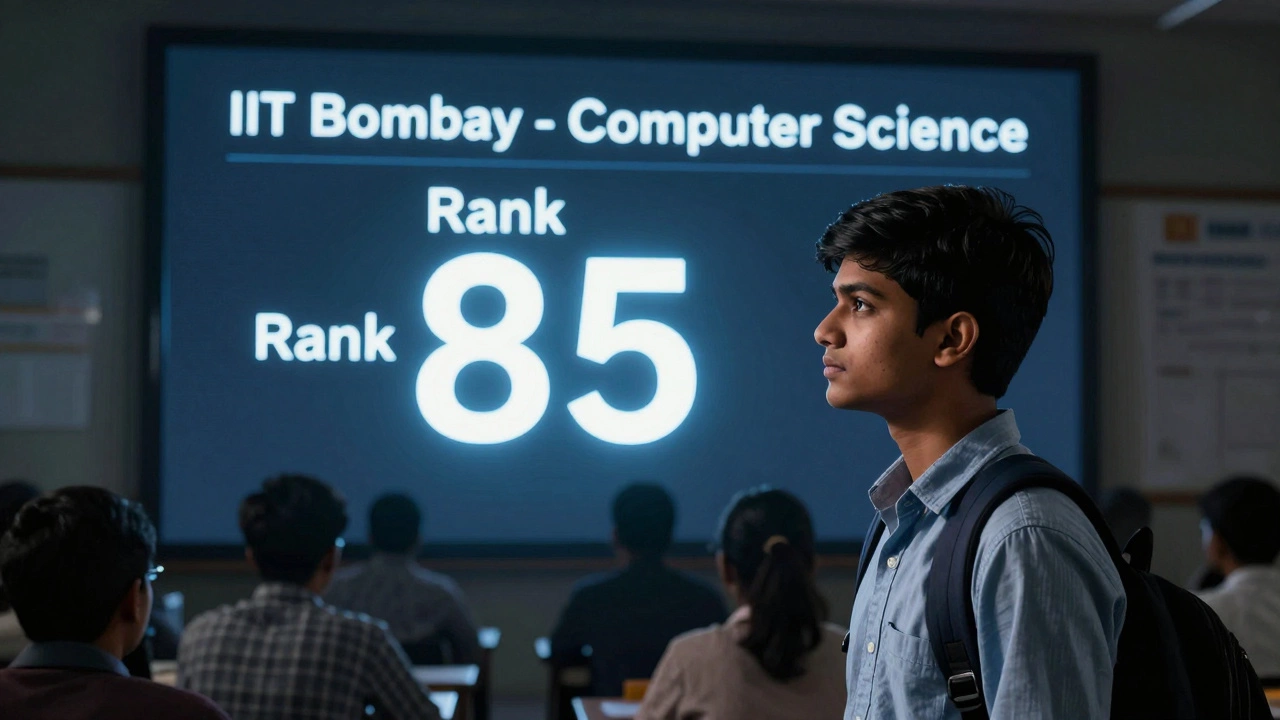
What Rank Is Required for IIT? A Clear Guide to JEE Advanced Cutoffs
Learn the actual JEE Advanced rank ranges needed to get into top IITs like Bombay, Delhi, and Madras. Understand how cutoffs vary by branch and category, and what to do if you don't make the cut.
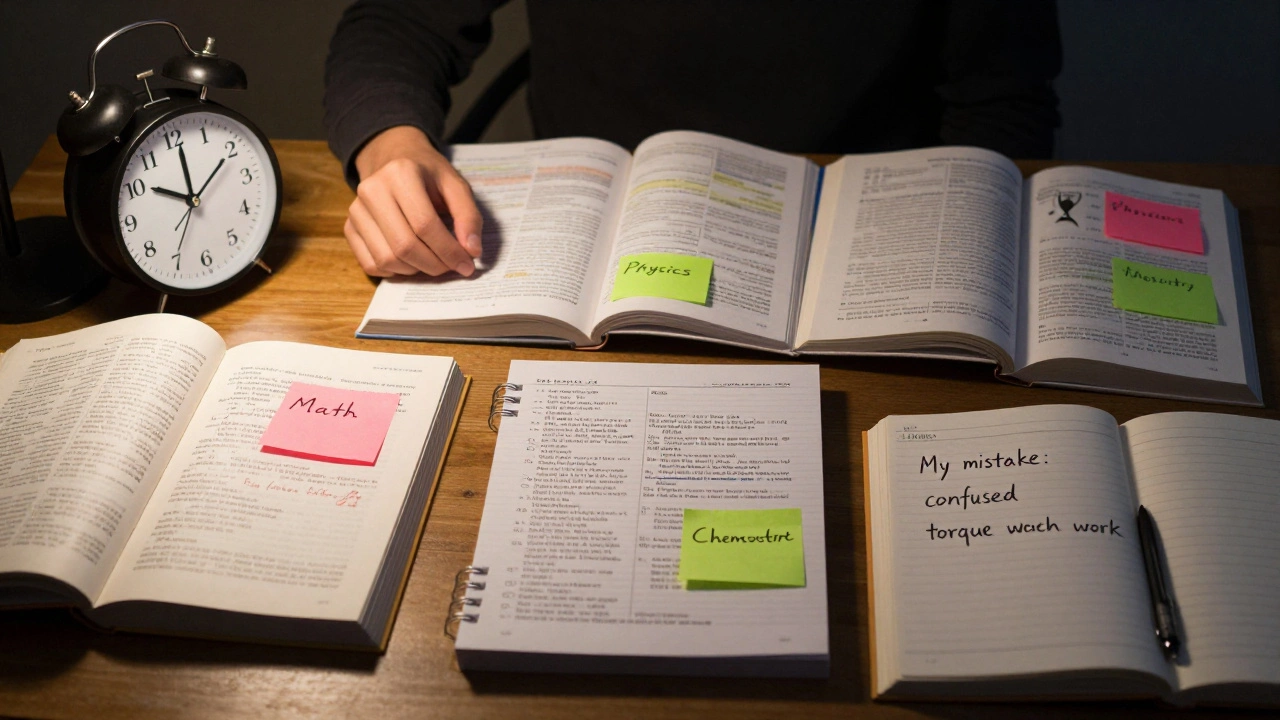
Which IIT subject is best for JEE preparation?
There's no single best subject for IIT JEE preparation. Success comes from balancing physics, chemistry, and math based on weightage, difficulty, and personal strengths. Focus on consistent practice across all three.
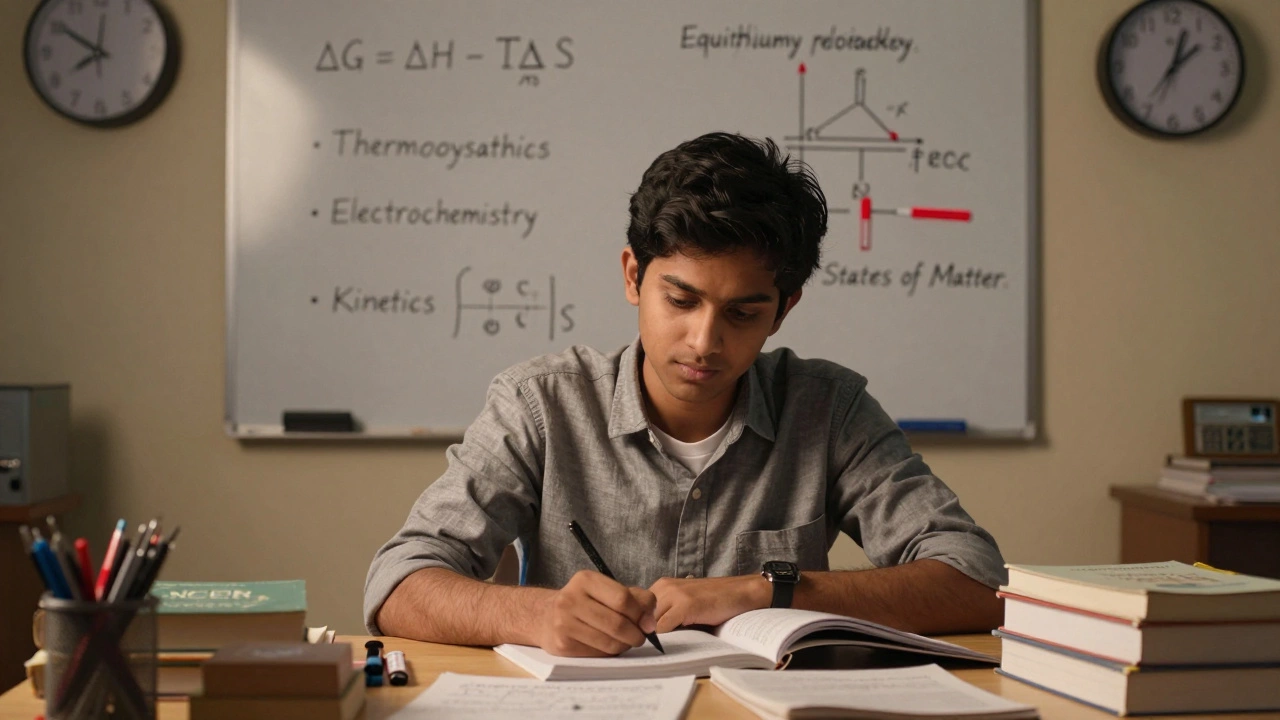
Can I Skip Physical Chemistry for JEE? The Hard Truth About JEE Advanced Preparation
Skipping physical chemistry for JEE is a risky move-it makes up 35% of chemistry questions and overlaps with physics. Learn what topics matter most and how to study them effectively without burning out.

How to Crack IIT JEE in First Attempt: Proven Strategy for Success
Learn how to crack IIT JEE in your first attempt with a proven strategy focused on NCERT mastery, mock tests, high-weightage topics, and mental resilience. No coaching? No problem. Just discipline and smart work.

How Many Hours Does a JEE Aspirant Sleep? Realistic Sleep Patterns for IIT JEE Prep
JEE aspirants often sacrifice sleep to study more, but research shows 6.5-7 hours of quality sleep leads to better retention, focus, and scores. Discover the real sleep patterns of top JEE rankers and how to build a sustainable routine.

Who is All India Rank 1 in JEE? Meet the Topper and Their Journey
Meet Shreyansh Jain, the All India Rank 1 in JEE Advanced 2025. Learn his study strategy, daily routine, and the myths about JEE toppers that don't hold up. Real advice for serious aspirants.
Best Coaching Institutes for JEE Preparation in 2025
Discover the best JEE coaching institutes in 2025 based on results, faculty, and student success. Learn how to choose between online and offline coaching, avoid red flags, and maximize your chances of cracking IIT JEE.
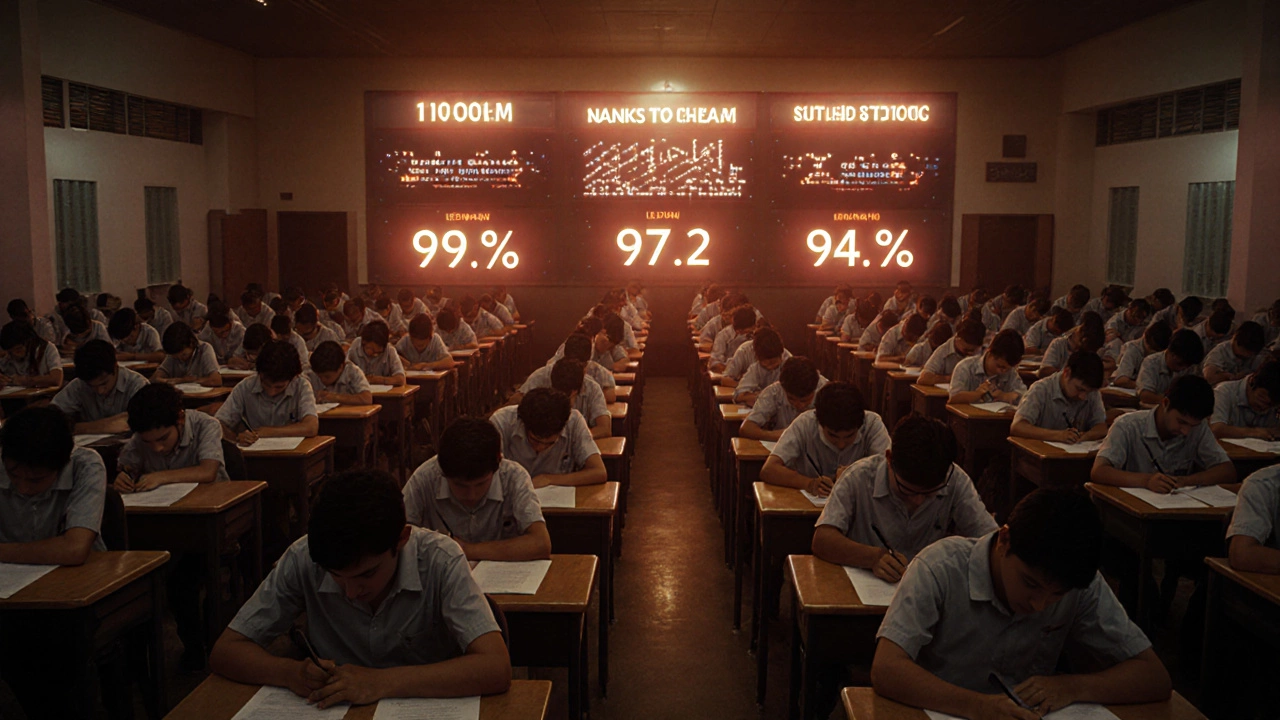
How Much Percentile Is Required for NIT? JEE Main Cut-Offs Explained
Find out the exact percentile needed for NIT admission through JEE Main. Learn how cut-offs vary by branch, category, and state quota, and how to set a realistic target for your exam.

JEE Main vs JEE Advanced: Key Differences Explained
Learn the key differences between JEE Main and JEE Advanced - eligibility, exam pattern, scoring, attempts, and how each exam shapes IIT admission.

Best Class to Start IIT JEE Prep: Class 11 or Class 12?
Find out whether to start IIT JEE prep in Class 11, Class 12, or earlier. Compare pros, cons, costs, and get a step‑by‑step plan that fits your strengths and schedule.