Online Learning Platforms: What They Are and How They Change Education
When you think about online learning platforms, digital systems that deliver courses, track progress, and connect learners without needing a physical classroom. Also known as e-learning platforms, they power everything from a high school student studying for JEE to a working professional earning a certification in data science. These aren’t just fancy websites—they’re the backbone of modern education, making learning flexible, affordable, and accessible to anyone with an internet connection.
What makes online learning platforms different from traditional classes? They don’t require you to be in a specific place at a specific time. You can learn while commuting, after work, or even during lunch. Platforms like these are built around digital learning platforms, systems that store lessons, quizzes, videos, and assignments in one place, and they often include tools to measure how well you’re doing. That’s why they’re used by schools, coaching centers like those preparing students for NEET or JEE, and even big companies training their employees. They’re not just for kids—they’re for anyone who wants to learn a new skill fast, whether it’s coding, teaching, or managing a team.
Behind every good learning management system, software that organizes course content and tracks learner progress is a simple idea: learning should be personal. Some platforms let you move at your own pace. Others give you feedback in real time. A few even use AI to suggest what you should study next based on what you’ve already done. That’s why teachers are using them to reach more students, and why people who failed in traditional classrooms are finally succeeding online. These platforms don’t replace teachers—they give teachers better tools to help.
And it’s not just about content. The best platforms also build community. You can ask questions, join study groups, or even collaborate on projects with people halfway across the world. That’s why platforms like these are now central to how top coaching institutes operate—blending live sessions with recorded lessons, quizzes, and progress dashboards. Whether you’re preparing for a competitive exam or switching careers, the right platform can make the difference between giving up and getting results.
What you’ll find below isn’t a list of every platform out there. It’s a curated collection of real insights—what works, what doesn’t, and how people are actually using these tools to learn, teach, and succeed. From the hardest math exams to the quickest trades you can learn, every post here connects back to one truth: learning doesn’t happen in a classroom anymore. It happens wherever you are, on whatever device you have. And the platforms making that possible? They’re changing everything.
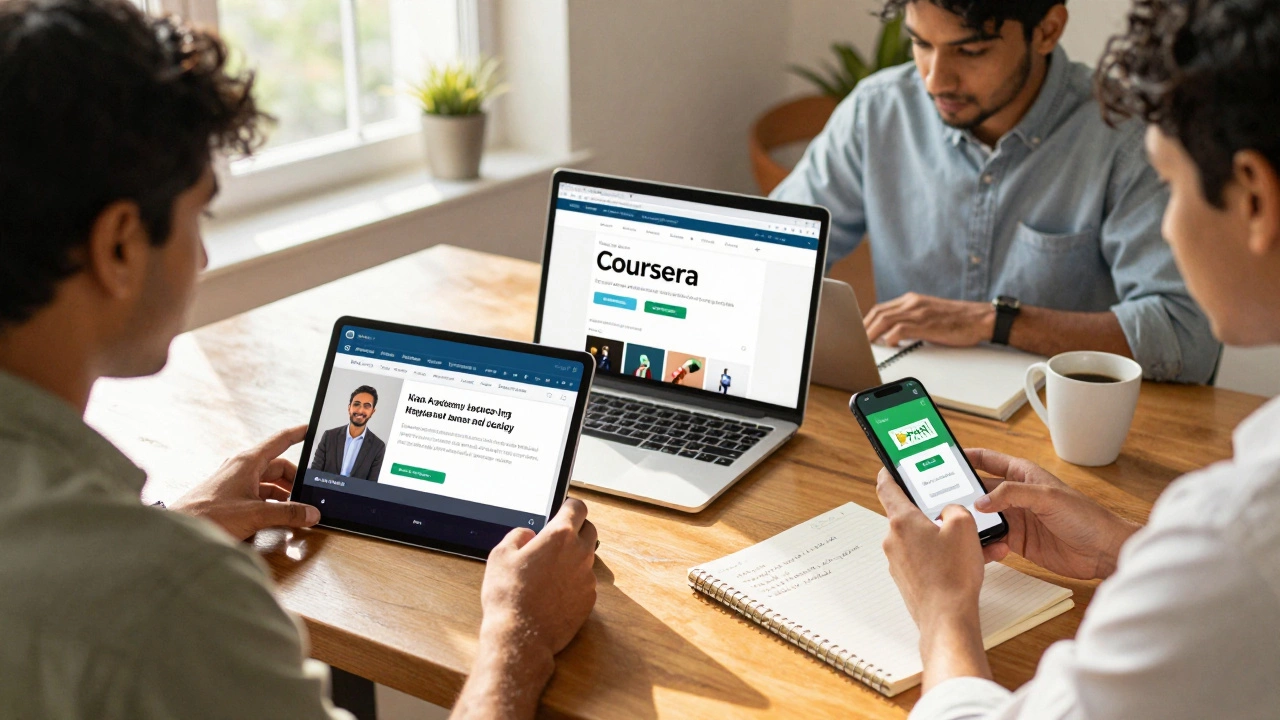
What Are the Most Used Online Learning Platforms in 2026?
Discover the most used online learning platforms in 2026 - Coursera, Udemy, edX, Khan Academy, and LinkedIn Learning. Learn which one fits your goals, whether you're seeking degrees, skills, or career growth.

What Is the Most Used Digital Platform for E-Learning?
Google Classroom is the most used digital platform for e-learning, powering millions of students and teachers worldwide with its free, simple, and integrated tools. It dominates K-12 education due to ease of use and device compatibility.
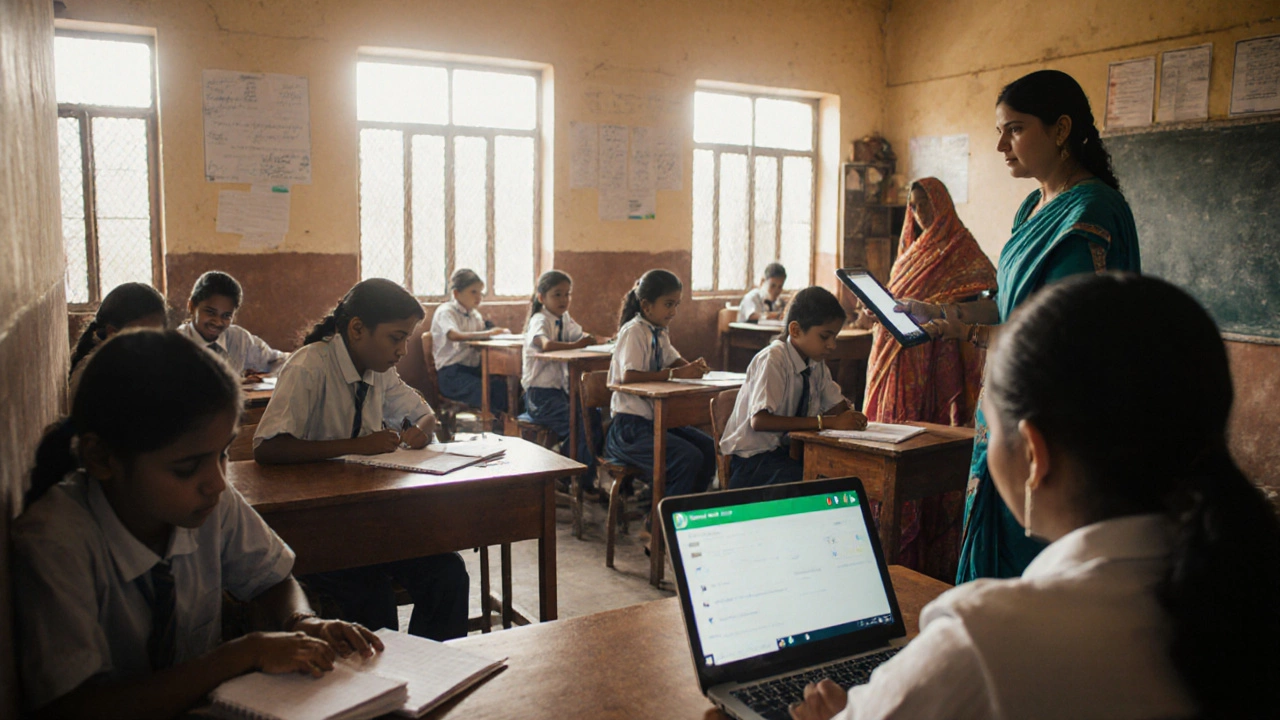
Is Google an e-learning platform? Here's what it really offers
Google isn't an e-learning platform like Coursera or Khan Academy, but its free tools power learning in schools and homes worldwide. Find out what it actually offers-and when you need something more.