Online Learning: What Works, What Doesn’t, and Where to Start
When you think of online learning, the use of digital tools and platforms to deliver education outside traditional classrooms. Also known as e-learning, it’s not just watching videos—it’s about structure, feedback, and consistency. Too many people assume it’s just clicking through a course and calling it a day. But the truth? The best online learners treat it like a job: scheduled, tracked, and adjusted when it’s not working.
What makes online learning stick? It’s not the platform—it’s the Google Classroom, a free tool used by schools and teachers worldwide to assign work, track progress, and give feedback. It’s not flashy, but it works because it connects teachers and students in a real way. Then there’s the online teaching platform, a system educators use to build courses, host live sessions, and manage student engagement. The top ones don’t just host videos—they build communities, offer quizzes that adapt, and give real-time help. That’s what separates learning from scrolling.
People fail at online learning for the same reason they fail at diets: they think motivation will carry them. It won’t. What works is a routine—studying at the same time, setting small goals, and checking progress weekly. Look at the JEE toppers who use YouTube and free resources to prep for one of the toughest exams in the world. They didn’t rely on fancy software. They used structure. They tracked their weak spots. They kept going even when it felt slow.
And here’s the thing: online learning isn’t just for students. It’s for people switching careers, teachers upskilling, and workers needing quick certifications. The most successful learners pick tools that fit their life—not the other way around. If you’re working full-time, a 30-minute daily habit beats a 4-hour weekend binge. If you’re learning to code, you don’t need the most expensive course—you need someone who explains why your code broke and how to fix it.
Some platforms promise magic. Others just deliver basics. The difference? Real feedback. Real deadlines. Real human interaction—even if it’s through a comment or a live Q&A. That’s why Google Classroom, despite being simple, is used in thousands of schools. It doesn’t try to be everything. It just does the essentials well.
Below, you’ll find real stories from people who cracked tough exams, switched careers, or finally learned to code—all using online tools. No hype. No fluff. Just what actually worked. Whether you’re trying to pass NEET, land a federal job, or teach your first class, the path starts with the right approach—not the fanciest app.
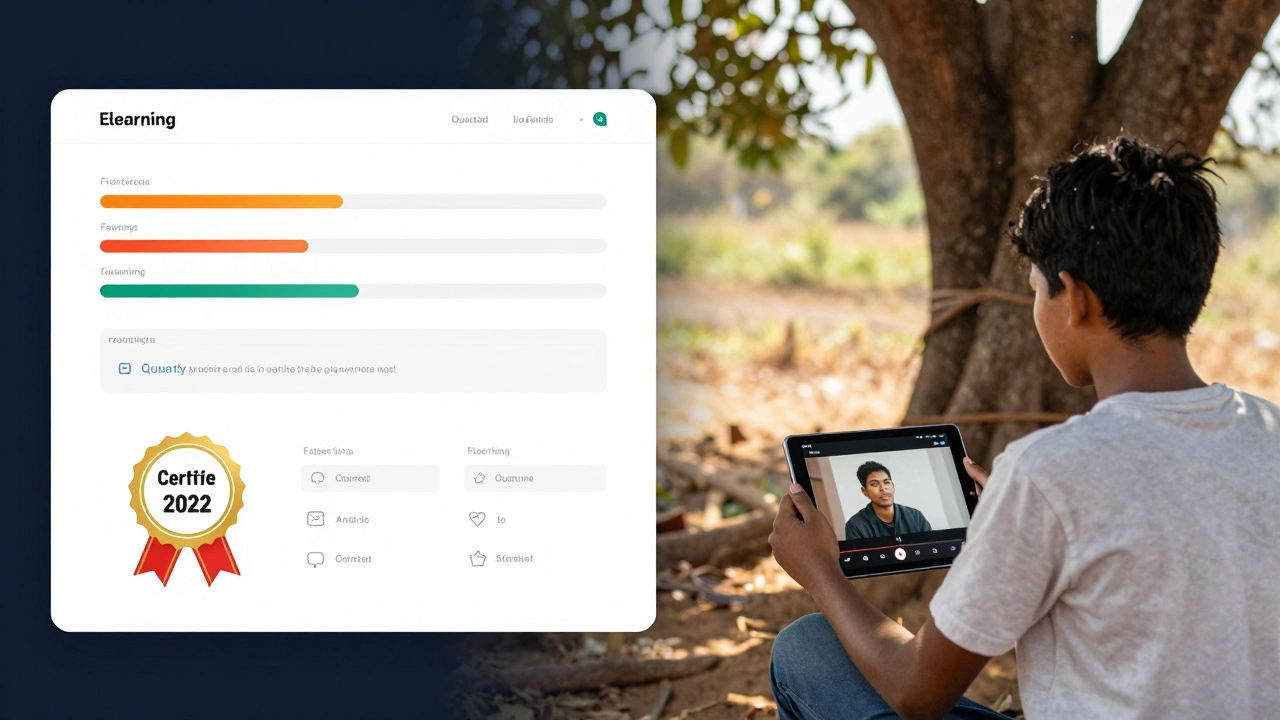
Is Online Learning the Same as eLearning? The Real Difference Explained
Online learning and eLearning are often used interchangeably, but they're not the same. eLearning is structured, assessed, and designed for skill development. Online learning is any education delivered over the internet-free, flexible, but often unstructured.
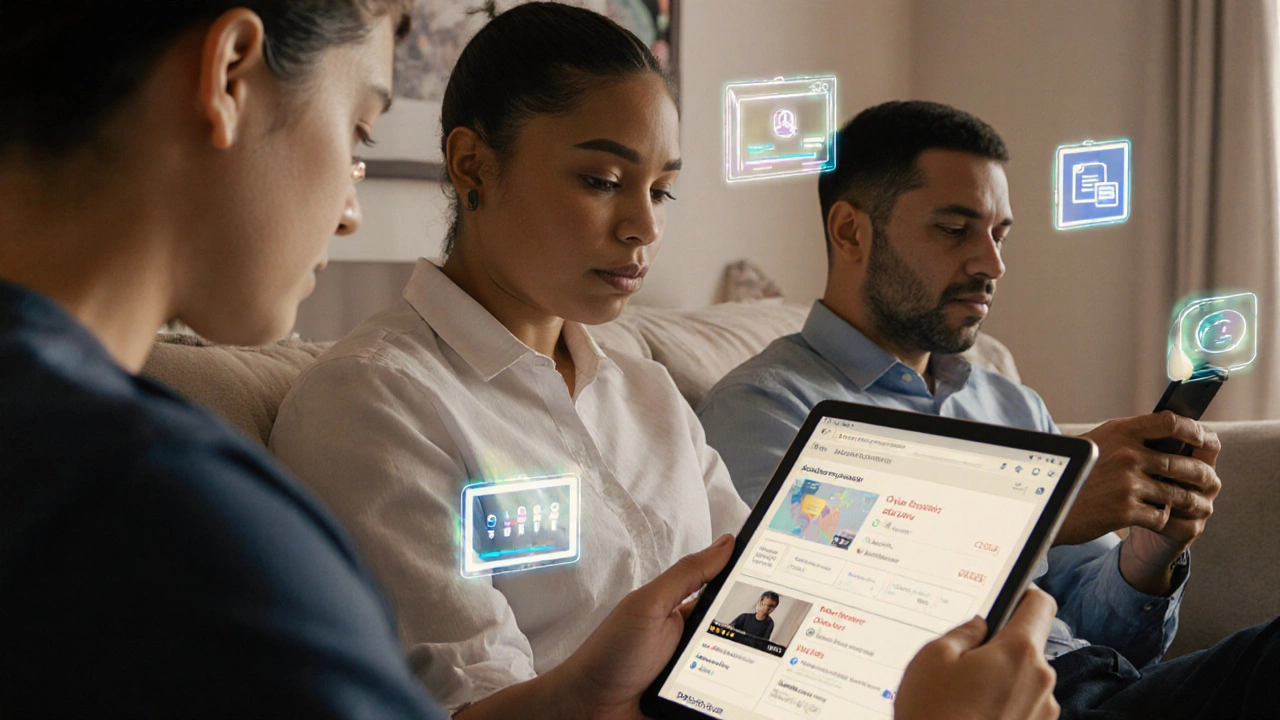
What Are Digital Learning Platforms? A Simple Guide for Students and Professionals
Digital learning platforms are online systems that deliver courses, track progress, and connect learners anywhere. They power everything from school lessons to professional certifications - and anyone can use them.

Distance Learning vs Online Learning: Key Differences for Modern Students
Wondering about the difference between distance and online learning? Explore key facts, real-life examples, and tips to help you choose the right study method.
Defining Distance Education: What Makes It Different?
Distance education isn’t just about studying behind a screen—it’s a whole system that makes learning possible from anywhere. This article breaks down what distance education really means, how it’s changed over time, and what tools and practices make it work. It’s packed with specific examples, smart tips for students, and quick answers to common questions about remote learning. Learn how distance education is shaping up in 2025 and what to watch for if you’re part of it. No complicated words, just clear and practical info.
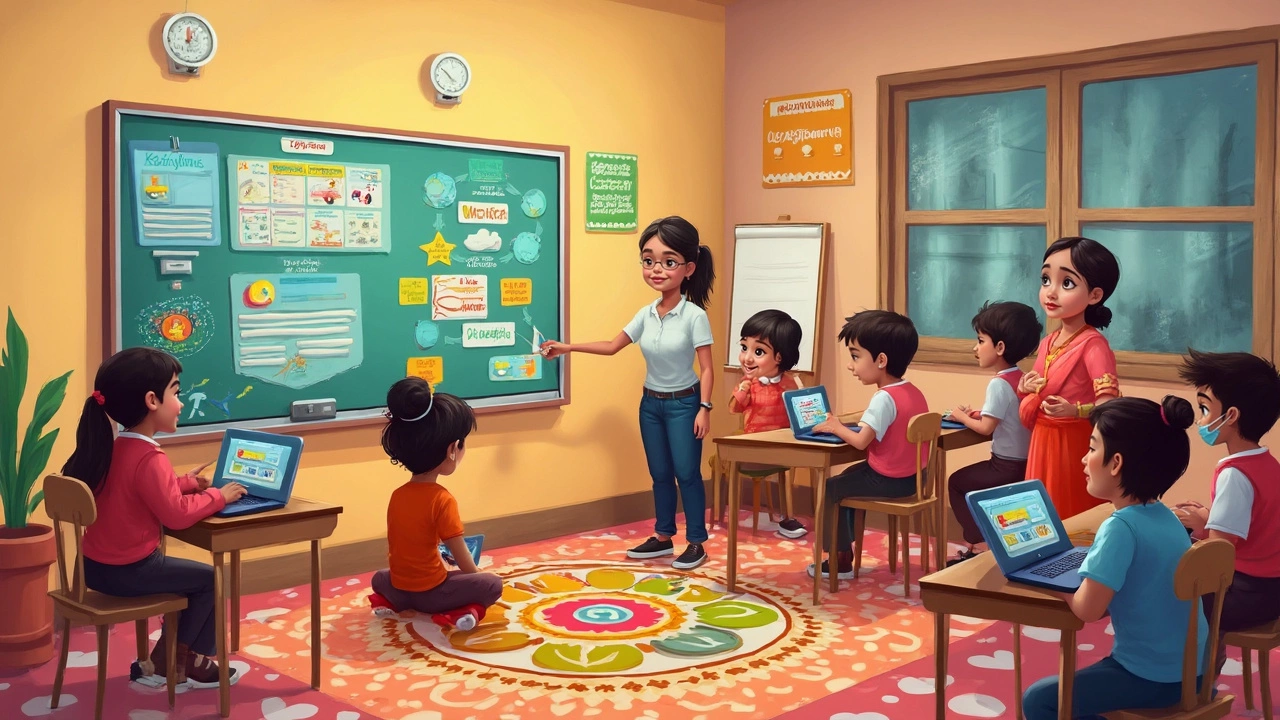
Explore the Google Education Platform: A Game Changer in E-Learning
In today's digital age, the Google Education Platform stands out as a pivotal tool transforming how students and educators approach learning. Offering a suite of innovative resources, it caters to the needs of learners and teachers alike, streamlining educational processes and enhancing collaboration. From Google Classroom's ease of use to Google Workspace's diverse features, these tools are designed to simplify and enrich the online educational experience. Learn how these digital solutions are reshaping the classroom and why they are becoming a staple in modern education.