People use the terms online learning and eLearning like they mean the same thing. But they don’t. And that small difference matters-especially if you’re choosing a course, setting up training for your team, or trying to figure out what kind of learning actually works for you.
What is eLearning?
eLearning stands for electronic learning. It’s not just about watching videos or clicking through slides. True eLearning is designed using instructional theory. It follows a clear structure: goals, assessments, feedback loops, and often personalized paths. Think of it like a digital textbook that adapts to how you learn.
Platforms like Coursera, Udemy, and Khan Academy don’t just host videos. They build courses around learning outcomes. If you’re taking a Python course on Udemy, you won’t just watch lectures-you’ll get quizzes, coding exercises, peer reviews, and progress tracking. That’s eLearning. It’s systematic. It’s measurable. It’s built to change behavior, not just deliver information.
What is online learning?
Online learning is broader. It’s any kind of education that happens over the internet. That includes live Zoom classes, YouTube tutorials, webinars, Discord study groups, even TikTok lessons on algebra. It doesn’t have to be structured. It doesn’t need assessments. It just needs a connection.
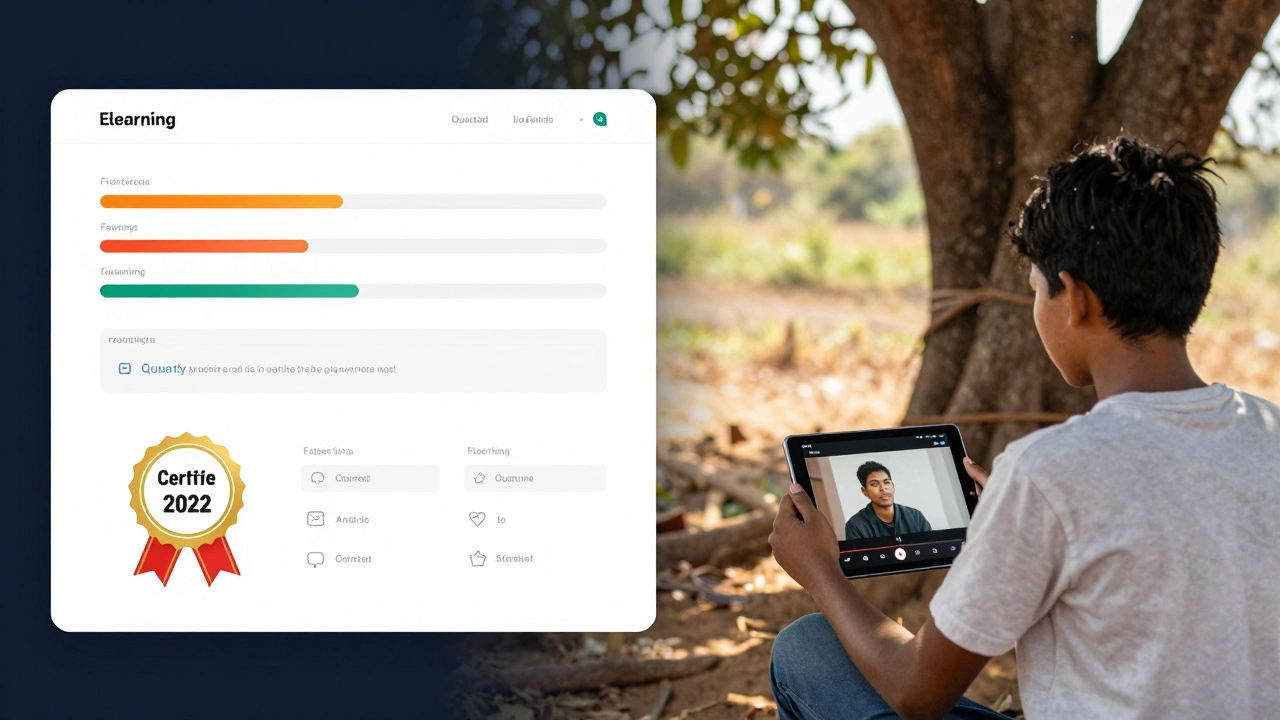
Imagine a high school student in rural India who learns calculus by watching free YouTube videos uploaded by a teacher in Delhi. No registration. No login. No certificate. Just a video and a notebook. That’s online learning. It’s accessible. It’s spontaneous. But it’s not always designed for learning.
The key difference: Design vs. Delivery
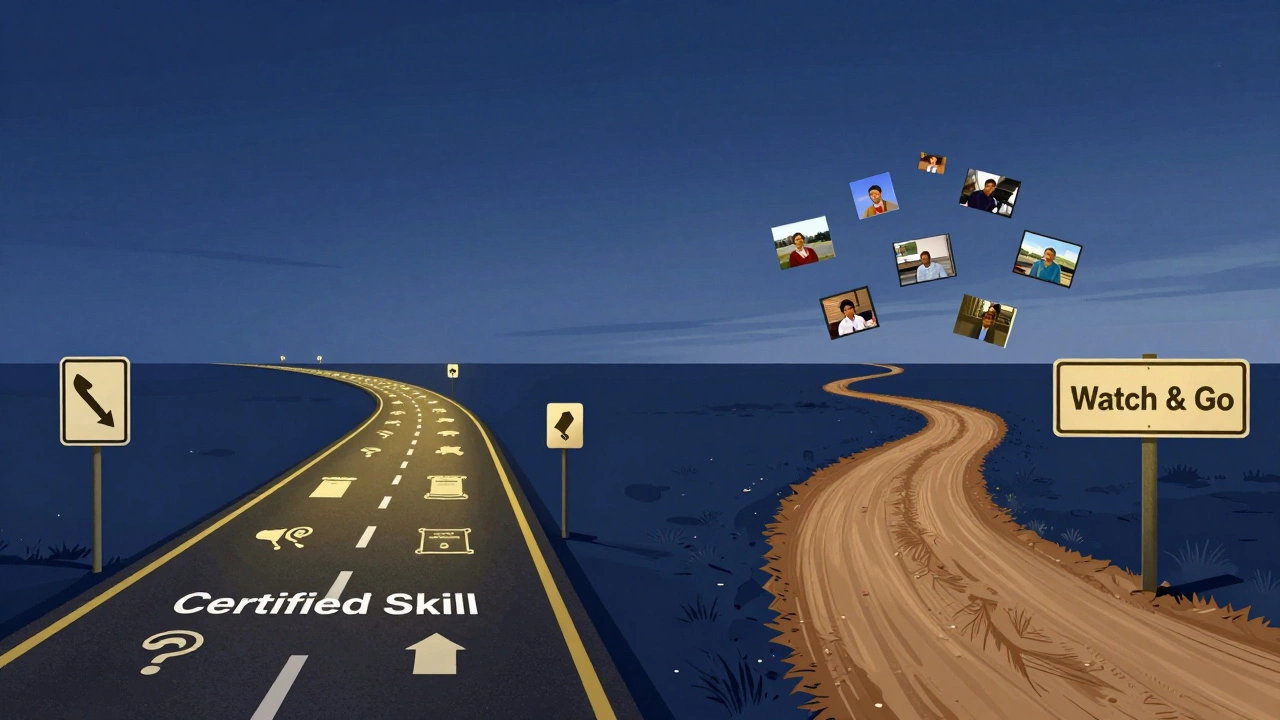
eLearning is about how content is built. Online learning is about where it’s delivered.
- eLearning = Designed with pedagogy in mind. Uses learning objectives, interactive elements, progress tracking, and assessment. Often requires enrollment.
- Online learning = Delivered via the internet. Can be passive, unstructured, or one-way. Often free and open.
Here’s a real example: A student enrolls in a 6-week certified course on data analysis through an eLearning platform like edX. They get weekly assignments, live Q&A sessions, a final project, and a verified certificate. That’s eLearning.
Now, another student finds a free 20-minute YouTube video titled "How to Use Excel for Budgeting." They watch it once, try it out, and move on. No quiz. No feedback. No progress tracking. That’s online learning.
Why does this matter?
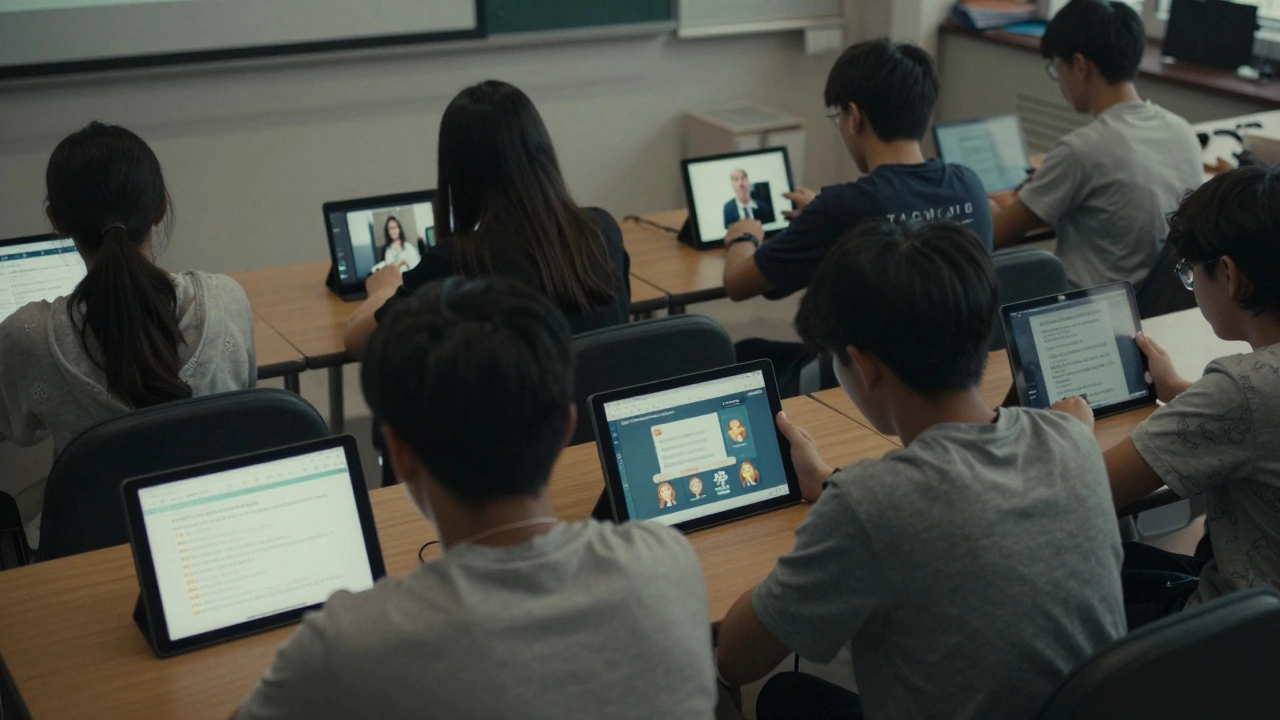
If you’re a learner: You need to know what kind of experience you’re signing up for. Want to build real skills? Go for eLearning. Just curious? Online videos are fine.
If you’re a teacher or employer: Mixing them up can cost you time and money. A company that thinks "putting videos online" counts as employee training is setting itself up for failure. eLearning platforms can track completion rates, test understanding, and even tie learning to performance reviews. YouTube links? Not so much.
Even governments and universities are starting to notice. In 2024, India’s National Education Policy emphasized certified eLearning modules for skill development-not just any online video. Why? Because outcomes matter.
What about MOOCs? Are they eLearning or online learning?
MOOCs-Massive Open Online Courses-are the gray zone. Platforms like Coursera and FutureLearn offer both. Some courses are full eLearning experiences with graded assignments and peer interaction. Others are just recorded lectures with optional readings.
Check the course structure. If it has:
- Quizzes with feedback
- Discussion boards with instructor participation
- Projects with rubrics
- A certificate tied to completion
Then it’s eLearning. If it’s just videos and a PDF? That’s online learning.
Which one should you use?
Here’s a simple guide:
- Use eLearning if: You want to earn a certificate, switch careers, prepare for an exam, or need proof of skill. It’s structured, tracked, and credible.
- Use online learning if: You’re exploring a topic, need a quick fix, or just want to stay curious. It’s free, flexible, and low-pressure.
Most successful learners use both. They start with YouTube to get the big picture. Then they enroll in an eLearning course to build depth. One doesn’t replace the other. They serve different purposes.
The future is blended
The line between these two is blurring. Some eLearning platforms now include short TikTok-style clips. Some YouTube creators are adding quizzes and progress trackers. But the core difference remains: intention.
eLearning is designed to change you. Online learning is designed to inform you. One builds competence. The other builds awareness.
Stop treating them like twins. They’re cousins-with different goals, different strengths, and different value.