Vocational Courses: What They Are and Which Ones Actually Pay Off
When you think of education, you probably picture classrooms, textbooks, and degrees. But vocational courses, hands-on training programs that teach specific job skills in fields like plumbing, electrician work, coding, or healthcare. Also known as trade schools or career and technical education, they’re not a backup plan—they’re the fastest route to a stable income for millions. These programs skip the theory-heavy lectures and focus on what you’ll actually do on the job. You learn how to wire a house, fix an HVAC system, code a website, or assist in a medical lab—all in weeks or months, not years.
What makes vocational courses different isn’t just speed—it’s demand. Jobs like electricians, welders, and IT support technicians aren’t going away. In fact, they’re in short supply. A 2024 U.S. Department of Labor report found over 3 million open jobs in skilled trades, and many pay more than entry-level college grads. You don’t need to go into debt for a four-year degree to land one. That’s why people are turning to trade skills, practical abilities like soldering, circuit testing, or patient care that are learned through direct practice instead of traditional degrees. And it’s not just blue-collar work—job-oriented training, structured programs designed to get you hired quickly in growing industries now includes digital fields like cybersecurity basics, digital marketing, and even AI-assisted design tools.
Not all vocational courses are created equal. Some are six-week crash courses that teach you how to install solar panels. Others are year-long certifications that qualify you to work in hospitals or labs. The key is matching the course to the job market. Look for programs with real employer partnerships, not just online videos. Ask: Who hires graduates? What’s the average starting pay? Can you see the tools you’ll use before you enroll? The best ones give you a clear path from classroom to paycheck—no guesswork.
What you’ll find below are real stories and practical guides on the most effective vocational paths right now. From the quickest trades to learn in under six months, to the online platforms that deliver certified training, to the hidden reasons people fail at learning technical skills—this collection cuts through the noise. You won’t find fluff about "following your passion." You’ll find what works, who’s hiring, and how to get started without wasting time or money.
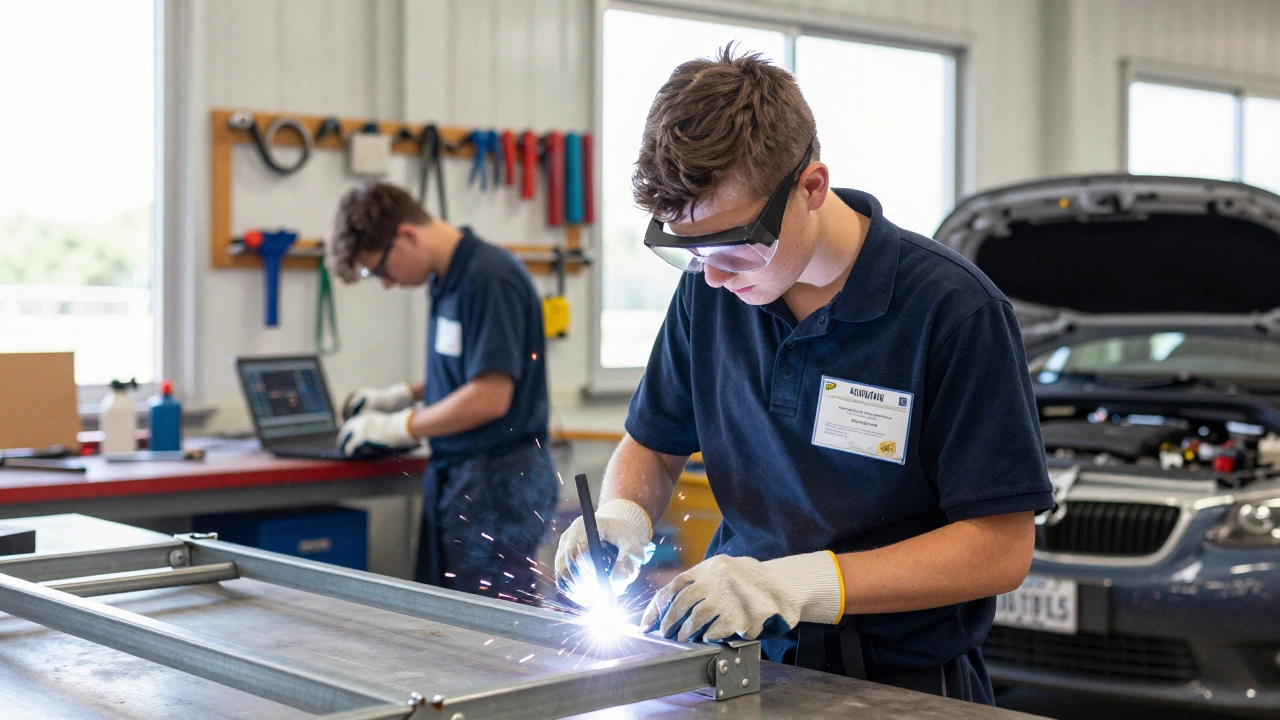
What Does Vocational Mean in School? Understanding Hands-On Career Training
Vocational education in school means learning real job skills like welding, cooking, coding, or caregiving - not just theory. It prepares students for work, not just exams, and leads to certified careers without university debt.

What Is the Full Meaning of Vocational? Understanding Vocational Courses and Their Real-World Impact
The full meaning of vocational is about gaining practical skills for specific jobs, not just academic theory. Vocational courses prepare you for real work in trades, healthcare, tech, and more - faster and cheaper than university.

What Is the Difference Between Vocational and Educational Paths?
Learn the real difference between vocational and educational paths-how they compare in cost, time, job outcomes, and future options. Make the right choice for your career.