Virtual Classrooms: How Online Learning Is Changing Education
When you think of a classroom, you might picture rows of desks, a chalkboard, and a teacher standing at the front. But today, virtual classrooms, digital spaces where teaching and learning happen over the internet. Also known as online learning environments, they let students join lessons from home, the library, or even another country. This isn’t just a backup plan anymore—it’s becoming the new normal. Schools, coaching centers, and even government programs now rely on them to reach more learners, especially in places where physical classrooms are overcrowded or hard to access.
What makes virtual classrooms work isn’t just video calls. It’s the mix of tools: e-learning platforms, systems designed to deliver lessons, track progress, and connect teachers with students, like Google Classroom, which many schools use for assignments and feedback. Then there’s remote teaching, the practice of delivering instruction from a distance using digital tools, which requires more than just uploading videos. Good remote teaching means clear instructions, real-time interaction, and ways to keep students engaged even when they’re not in the same room. And it’s not just for college students—NEET and JEE aspirants, teacher trainees, and even kids in rural India are using these tools daily.
Some people think virtual classrooms are just for people who can’t make it to school. But that’s not true. Top coaching institutes for JEE and NEET now use them to reach students across India, offering live doubt-solving sessions, recorded lectures, and personalized feedback. Teachers in training learn how to use these platforms as part of their certification. Even the most competitive math exams now have online prep communities where students share strategies and solve problems together. The real question isn’t whether virtual classrooms are here to stay—it’s how well you’re using them.
You’ll find posts here that break down what actually works in these digital spaces. From the best online teaching platforms in 2025 to how Google’s tools are being used in real classrooms, this collection gives you the facts—not the hype. Whether you’re a student trying to stay focused, a teacher learning how to teach online, or a parent wondering if this is enough for your child’s education, you’ll find real advice here. No fluff. Just what helps you learn, teach, or lead better in a world where the classroom has no walls.
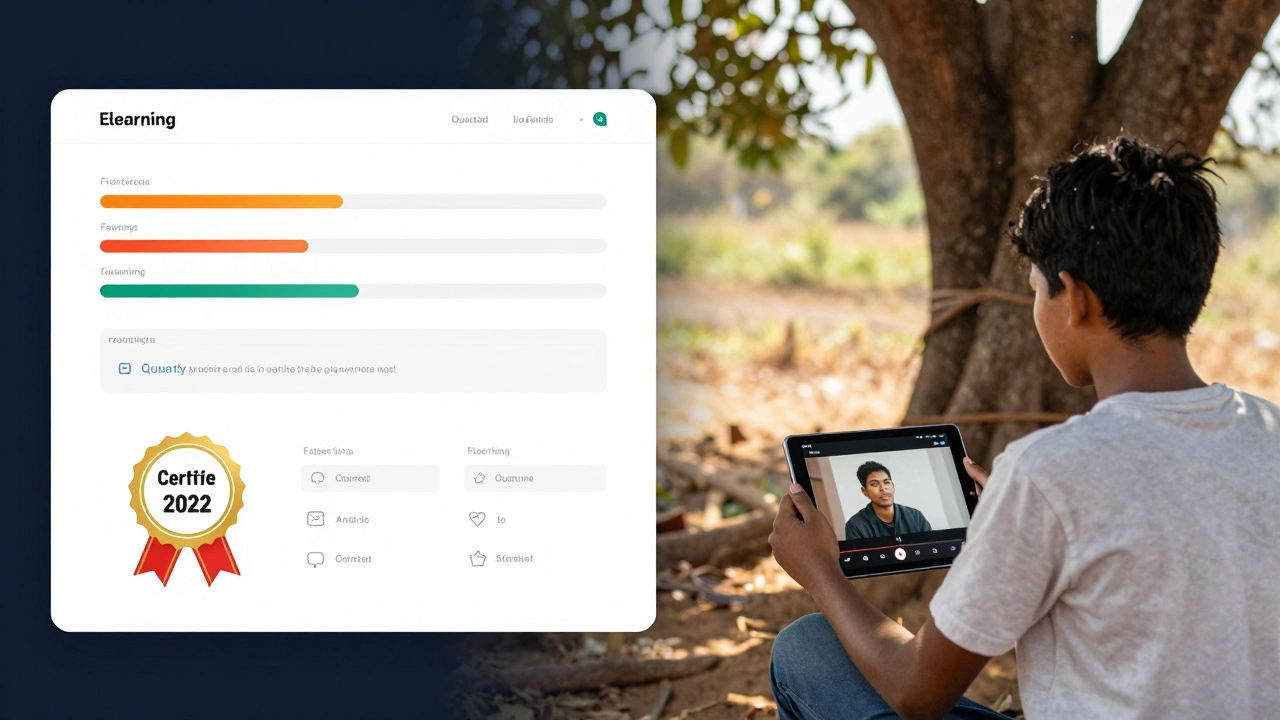
Is Online Learning the Same as eLearning? The Real Difference Explained
Online learning and eLearning are often used interchangeably, but they're not the same. eLearning is structured, assessed, and designed for skill development. Online learning is any education delivered over the internet-free, flexible, but often unstructured.
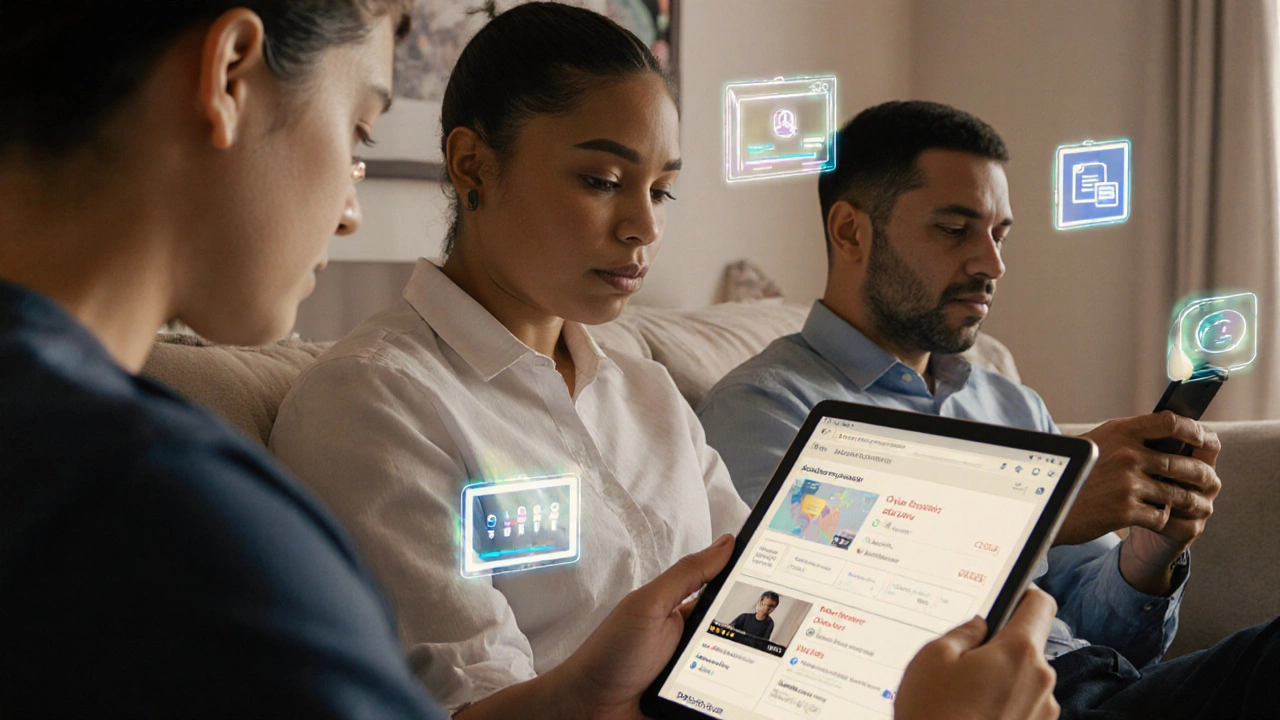
What Are Digital Learning Platforms? A Simple Guide for Students and Professionals
Digital learning platforms are online systems that deliver courses, track progress, and connect learners anywhere. They power everything from school lessons to professional certifications - and anyone can use them.
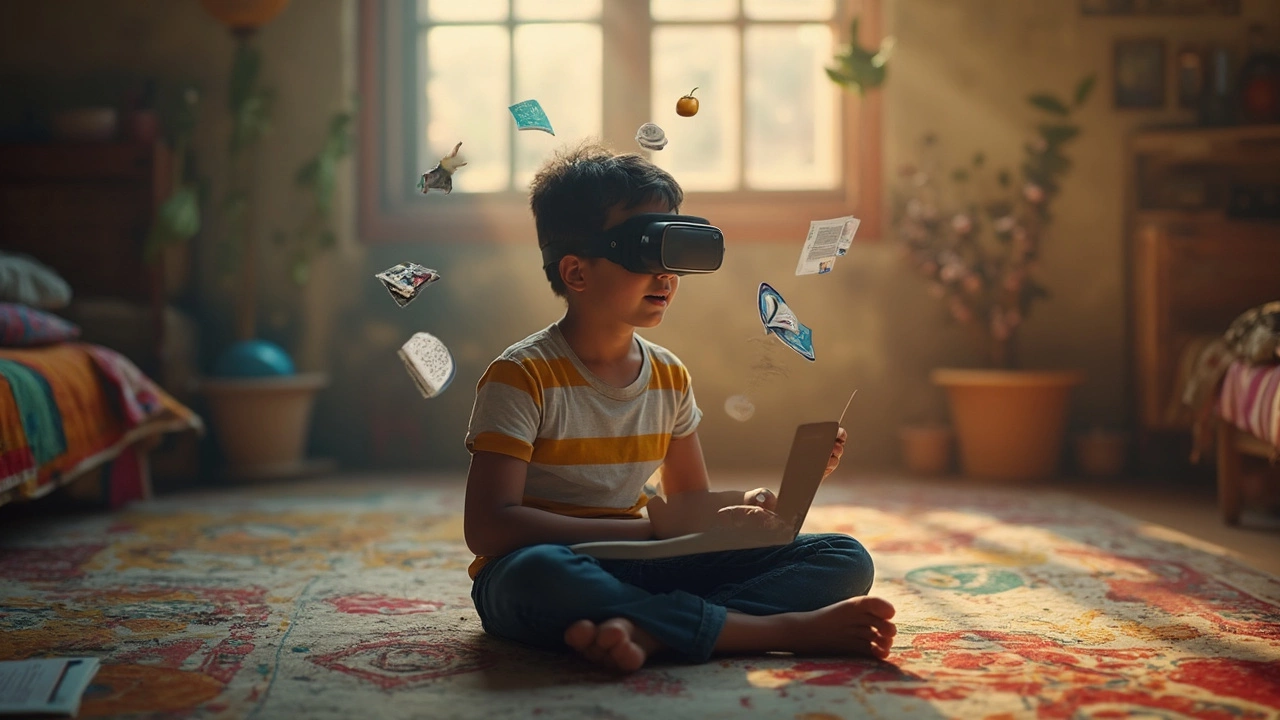
How Distance Learning Works: A User's Guide
Explore the essentials of distance learning in this insightful guide. Learn how online education operates through virtual classrooms, offering flexibility and accessibility. Discover tips for maximizing your e-learning experience and understand the technology that supports remote education. This article provides a practical understanding of distance education for students and educators alike.