Online Courses: What They Are, How They Work, and Which Ones Actually Get You Hired
When you hear online courses, structured learning experiences delivered over the internet, often with videos, quizzes, and deadlines. Also known as e-learning platforms, they let you learn anything from coding to teaching methods without stepping into a classroom. They’re not just videos on YouTube—they’re designed systems that track progress, give feedback, and sometimes even issue certificates. And they’re not just for students. Working professionals, exam aspirants, and career changers all use them to fill skill gaps fast.
What makes an online course work isn’t the platform—it’s the design. The best ones focus on digital learning platforms, systems that host content, manage user progress, and connect learners with instructors or peers that actually deliver results. Think of them as the engine behind courses that help people crack JEE, land federal jobs, or switch into high-demand trades like HVAC or electrician work. These platforms aren’t just about uploading lectures. They’re built around practice, repetition, and real-world application. That’s why Google Classroom or Moodle might not feel like a course, but a structured program on Udemy or Coursera does—it’s the structure that matters.
And here’s the thing: not all online courses are made equal. Some are just repackaged PDFs. Others are built by teachers who’ve actually trained top JEE or NEET rankers. The difference shows in outcomes. A job-oriented online course, a program designed specifically to lead to employment, often with placement support or industry-recognized credentials will tell you exactly what skills you’ll learn and which companies hire people with them. That’s why the top-performing courses in 2025 focus on clear outcomes—like getting hired within 90 days—not just "learning Python" or "understanding MBA concepts." They tie your effort to a job, a promotion, or a certification that means something to employers.
What you’ll find here isn’t a list of random links. It’s a collection of real stories and breakdowns about what works and what doesn’t. You’ll see how teachers in India are using online teaching platforms, tools that let educators deliver live or recorded lessons, manage students, and track performance remotely to help students in small towns compete with city kids. You’ll learn why most people quit coding courses—not because it’s too hard, but because the course didn’t teach them how to start. You’ll find out which math exams are truly the toughest, and how the same principles that make someone ace the IMO also help someone land a job at Google. These aren’t theory pieces. They’re field reports from people who’ve been through it.
If you’re looking to learn something new—whether it’s to pass NEET, switch careers, or just get better at what you do—you don’t need more options. You need the right ones. Below, you’ll find the posts that cut through the noise and show you exactly what to do, who to follow, and which courses actually move the needle.
High-Paying Certifications That Are Actually Easy to Get
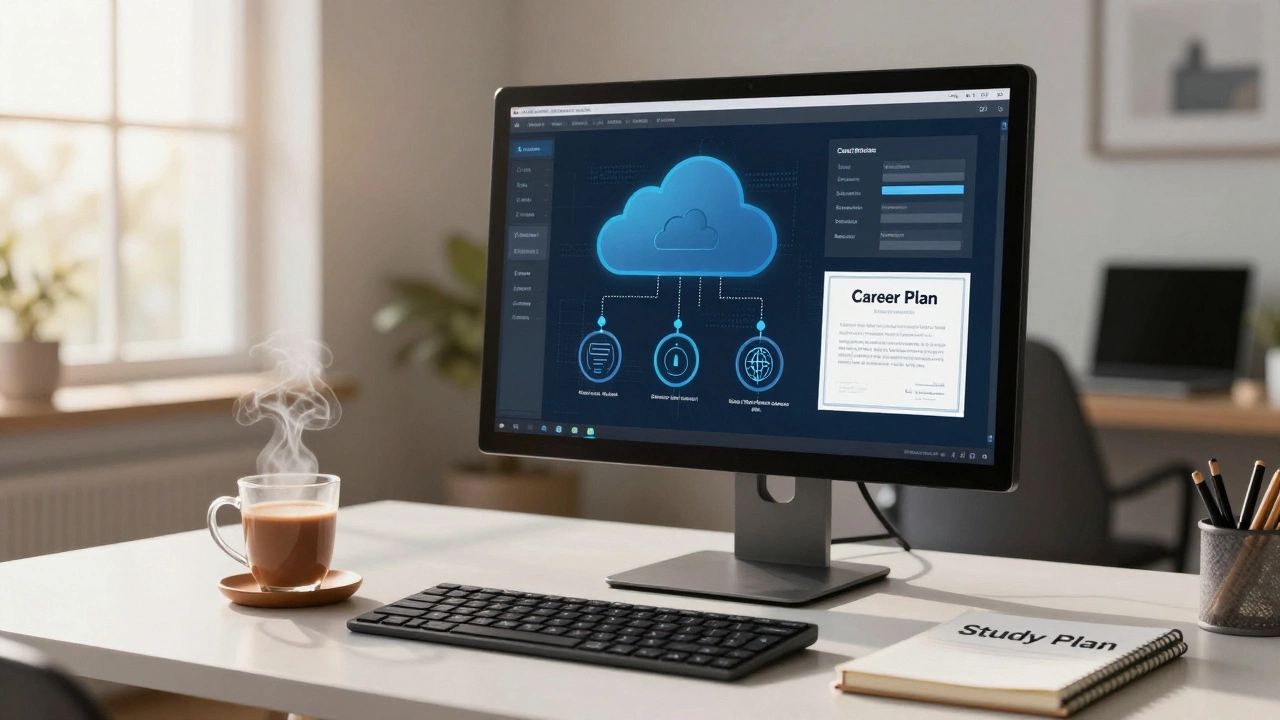
Stop guessing which courses pay off. Discover the easiest high-paying certifications in cloud, project management, and CRM to fast-track your career jump in 2026.

Top In-Demand Careers in 2026: Online Courses for Future-Proof Jobs
Discover which careers are in highest demand in 2026, from AI specialists to renewable energy technicians. Learn how online courses can help you land these roles with real salary data and actionable steps. No fluff-just what you need to know to start your career journey.

Highest Paying Jobs That Require Little Formal Education
Discover high‑paying jobs that need little formal schooling, learn which online courses unlock them, and get a step‑by‑step guide to land a six‑figure role.

Easiest Online Course: Real Picks for Busy Learners
Curious about the easiest online courses out there? This article breaks down what makes some courses simple and low-stress, and spotlights real subjects that beginners love. You'll get practical tips for finding a course that's actually easy for you, not just in theory. Discover honest insight about online learning, and a handful of courses you can finish without losing your mind. Start picking smarter, not harder.

Best Certificate Course: How to Choose the Right Online Program
Confused by the flood of online certificate courses promising a fast career boost? This article breaks down what makes a certificate course truly valuable, helping you sort through your options. We’ll look at how different courses line up with real job opportunities and whether those shiny certificates actually matter to employers. From tech to healthcare and business, you’ll find practical tips to choose the best fit. Real-world advice, relatable examples, and six clear sections make choosing your next course less stressful and way more effective.

Best Online Courses for Women in Their 40s
Choosing the right online course when you're 40 can open new doors, whether you're aiming for career growth, a fresh start, or just learning something new. This article guides you through top courses tailored to women over 40, focusing on skill-building and personal development. Discover options in diverse fields from technology to creative arts and get tips on how to select a course that fits your life and goals. Explore how online education can be a practical and transformative journey at any age.

Choosing a Course with Maximum Job Opportunities
Navigating the world of online courses can be overwhelming, especially when aiming to maximize job opportunities. Some courses are uniquely positioned to offer greater career advantages due to current industry trends and demands. Understanding which courses align with sectors experiencing growth can give you a leg up. This article explores which courses are worthwhile, focusing on those in high demand. It also provides insights into future-proof skills to keep you competitive.

Discovering the Cheapest Online College Courses: Your Guide to Affordable Learning
Finding affordable college courses doesn't have to be a daunting task. With a boom in online education, many colleges offer budget-friendly courses, some even for free. This article explores different options for cheap online college courses, including tips on how to identify genuine value. Whether you're looking to learn new skills or enhance your career without breaking the bank, we've got you covered.

Best Sites for Online Courses: Top Picks Unveiled
Finding the right online course platform can be a game changer for your education journey. Dive into a detailed guide that reveals the best sites for various learning needs. From comprehensive tech hubs to creative spaces, discover platforms that suit different budgets and styles. Uncover insider tips to choose the ideal course fit for you. Transform your learning experience with the right online resources.

Top Earning Certifications Without a Degree: Boost Your Career Prospects
Earning a certification can significantly increase your salary, even without a college degree. This article explores several high-paying certifications available through online courses that can enhance your career prospects. Discover the skills in demand and how you can embark on a lucrative career path without investing in a traditional four-year degree. From technical skills to creative fields, see which options may best fit your ambitions and lifestyle.