Career Path Finder: Find Your Future-Proof Job
Find Your Perfect Career Match
Answer 4 questions to discover which in-demand Australian career matches your interests and skills. This quiz is based on the latest job market trends for 2026.
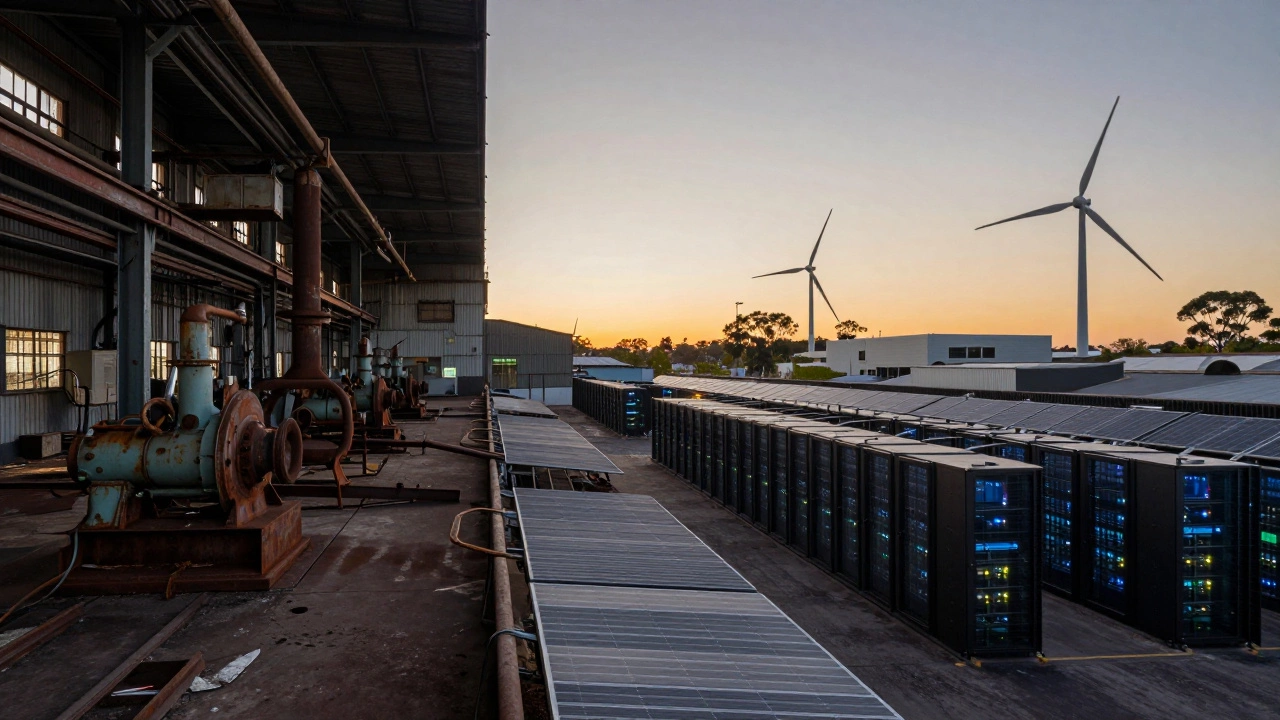
Right now, the Australian job market is booming in areas few expected a decade ago. While traditional roles decline, new in-demand careers are exploding thanks to tech and green energy shifts. Forget vague advice-here's exactly which jobs are in demand in 2026, what skills you need, and how online courses can get you there. Let's break it down.
AI Specialists: The Brain Behind the Tech Boom
AI specialists aren't just coding robots-they're solving real-world problems. In Australia, companies like Atlassian and CSIRO are hiring AI experts to improve everything from healthcare diagnostics to climate modeling. The Australian Bureau of Statistics reports a 42% surge in AI roles over the past year alone. Why? Because businesses need people who can train machine learning models, optimize data systems, and build ethical AI tools.
Here's what you need:
- Strong Python skills (used in 85% of AI jobs)
- Understanding of machine learning frameworks like TensorFlow
- Experience with cloud platforms like AWS or Google Cloud
Online courses make this accessible. Coursera's Machine Learning Specialization by Andrew Ng is a top pick-it's free to audit, with hands-on projects. For certified credentials, Google's Professional Machine Learning Engineer certification is highly respected. These courses don't just teach theory; they build real skills employers want.
Cybersecurity Analysts: Protecting Digital Frontiers
With cyberattacks rising 60% in Australia since 2024, cybersecurity analysts are critical. From banks to hospitals, every organization needs experts to defend against ransomware and data breaches. The Australian Cyber Security Centre reports over 15,000 unfilled cybersecurity jobs nationwide in 2026. This isn't just for IT pros-anyone with analytical skills can break into this field.
Key skills include:
- Network security fundamentals
- Penetration testing and ethical hacking
- Understanding cloud security frameworks
Udemy's CompTIA Security+ Certification Course covers everything from risk management to incident response. For hands-on practice, Cybrary's Cybersecurity Labs offer real-world scenarios. Many employers accept these certifications as proof of skills-no degree required.
Renewable Energy Technicians: Powering the Green Shift
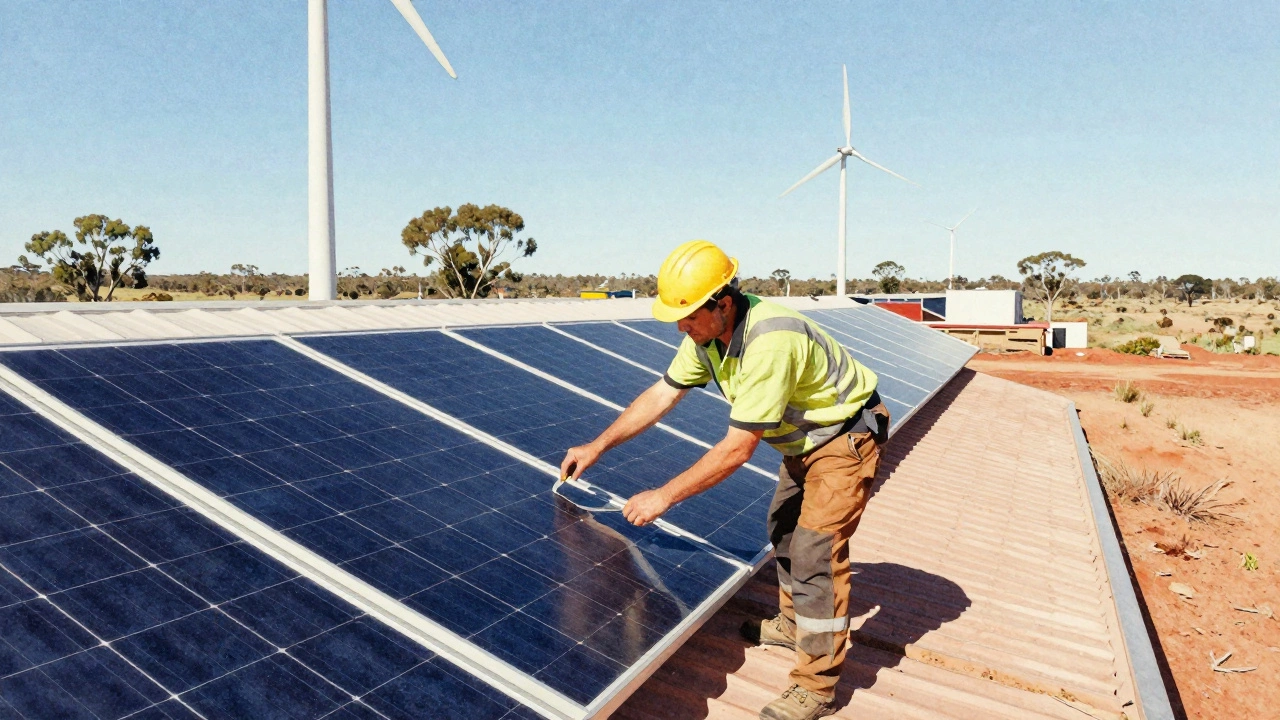
Australia's push for net-zero emissions by 2050 has created massive demand for renewable energy technicians. Solar panel installers and wind turbine maintenance specialists are seeing 35% job growth in 2026. The Clean Energy Council confirms over 20,000 new roles in solar and wind sectors alone. This isn't just for engineers-trade skills combined with digital training open doors.
What you'll need:
- Electrical safety certifications
- Basic knowledge of solar panel systems
- Problem-solving for grid integration issues
TAFE Online's Solar Energy Installation Certificate is Australia's go-to program. It includes virtual simulations of rooftop installations and grid maintenance. For wind tech roles, edX's Renewable Energy Fundamentals covers turbine mechanics and maintenance. Many programs partner with local employers for apprenticeships.

Healthcare IT Specialists: Bridging Medicine and Tech
Telehealth exploded during the pandemic, but it's here to stay. Healthcare IT specialists now manage electronic health records, patient portals, and AI-driven diagnostics. The Department of Health reports a 48% increase in these roles since 2024. Hospitals like St. Vincent's in Sydney are hiring specialists who understand both medical workflows and software systems.
Core skills include:
- Healthcare data standards (like HL7)
- Electronic medical record (EMR) systems
- Basic programming for health apps
edX's Health Informatics Specialization from Johns Hopkins University covers real-world EMR configurations. For Australian-specific training, FutureLearn's Digital Health for Clinicians focuses on Medicare-compliant systems. These courses often include case studies from Australian healthcare providers.
How to Choose the Right Path
Not all high-demand careers fit everyone. Ask yourself:
- Do you enjoy problem-solving under pressure? (Cybersecurity)
- Are you comfortable with hands-on outdoor work? (Renewable energy)
- Do you prefer creative coding or data analysis? (AI vs. Healthcare IT)
Try free introductory courses first. Coursera offers AI for Everyone and Cybersecurity Basics at no cost. If you love the material, invest in certifications. If not, pivot early-no wasted time or money.
Common Mistakes to Avoid
Many jump into high-demand careers without research. Here's what to skip:
- Choosing a career based on salary alone-burnout is real in high-pressure fields like cybersecurity
- Skipping foundational skills for flashy tools-AI specialists need math basics before jumping into deep learning
- Ignoring local demand-solar technician roles thrive in regional Australia, while AI jobs cluster in Sydney and Melbourne
Always verify job listings on Seek or LinkedIn. Filter for "entry-level" roles and check required skills. If a job asks for 5+ years of experience but pays $80k, it's not a real entry point.
Next Steps to Start Today
Ready to act? Do this:
- Take a free 1-hour course (like Coursera's AI Fundamentals)
- Join a local tech meetup (check Meetup.com for Sydney or Brisbane groups)
- Update your LinkedIn profile with "Open to Work" and list relevant skills
- Apply for one entry-level role in your target field within 7 days
Real success stories prove this works. Sarah, a former retail worker in Adelaide, completed TAFE Online's solar installation course in 6 months. She now earns $75k installing panels across regional South Australia. No college debt-just targeted training.
Do I need a university degree for these careers?
No. Most in-demand roles in 2026 prioritize skills over degrees. Cybersecurity analysts often start with CompTIA certifications, while AI specialists build portfolios through online projects. TAFE Online and Coursera certifications are widely accepted by Australian employers. Only healthcare IT roles sometimes require a bachelor's degree in health informatics-but even then, accelerated online programs exist.
How long do online courses take to prepare for these jobs?
It varies. Entry-level cybersecurity roles can be ready in 3-6 months with focused study. AI specialist roles often need 6-12 months of structured learning. Renewable energy technician training typically takes 3-4 months (including hands-on practice). The key is consistency-dedicate 10-15 hours weekly. Many programs offer self-paced options, so you can adjust to your schedule.
Which online platform offers the best value for money?
For Australian learners, TAFE Online delivers local relevance at low cost (often under $500 for certified courses). Coursera and edX have free audit options with paid certificates ($49-$99). Udemy frequently runs sales where top courses cost $20. Avoid platforms charging over $1,000 for short courses-most employers value practical skills more than expensive certificates. Always check if the course includes projects or mentorship.
Can I switch careers without prior experience?
Absolutely. Many employers in 2026 hire career changers through "bootcamp" programs. For example, the Australian government's Skills for Education and Employment program funds free training for career switches. Companies like Atlassian and Telstra have internal upskilling programs for employees moving into AI roles. Start with volunteer projects or freelance gigs to build experience-LinkedIn is full of opportunities for remote micro-tasks in cybersecurity or data analysis.
What's the average salary for these roles in Australia?
Entry-level salaries vary by region:
- AI Specialist: $85,000-$120,000 (Sydney/Melbourne), $70,000-$100,000 (regional)
- Cybersecurity Analyst: $75,000-$110,000
- Renewable Energy Technician: $65,000-$90,000
- Healthcare IT Specialist: $70,000-$105,000
Salaries increase rapidly with certifications. A certified AWS cloud engineer earns 20% more than non-certified peers. Always check the Australian Bureau of Statistics job outlook for real-time data.