Federal Job Application: How to Apply for U.S. Government Jobs
When you hear federal job application, a formal process to apply for positions in the U.S. government. Also known as civil service application, it’s not like applying for a private company job. It’s longer, more detailed, and often requires specific forms, certifications, and sometimes even exams. This isn’t just about uploading a resume—it’s about proving you meet exact qualifications set by federal agencies, from the IRS to the Department of Defense.
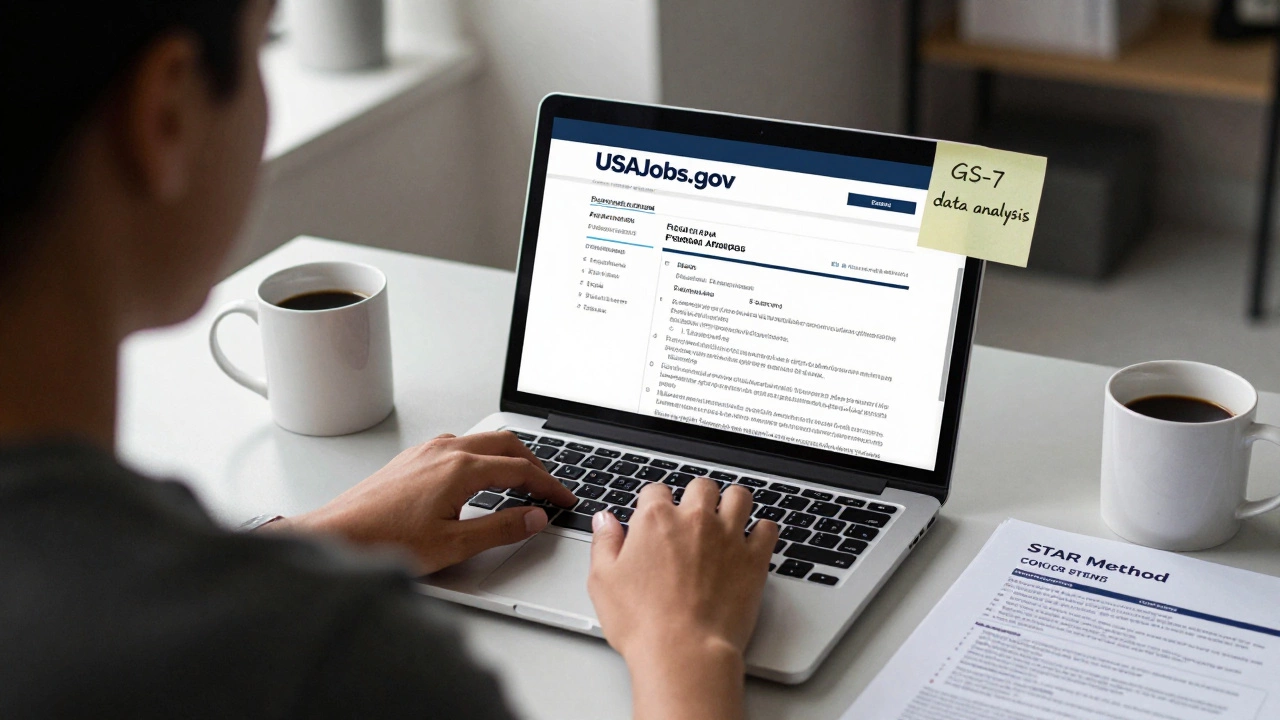
The whole system runs through USAJOBS, the official online portal for federal employment. You need an account, a detailed resume tailored to government standards, and sometimes a separate questionnaire. Many people get stuck here because they treat it like a regular job site. But federal hiring doesn’t care how fancy your LinkedIn profile is. It cares about keywords from the job announcement, your work history formatted exactly right, and whether you checked the right boxes for veteran status, education, or security clearance eligibility.
Federal hiring, the process of selecting candidates for government roles moves slowly. It can take 3 to 6 months from application to offer. That’s because every application gets reviewed by human specialists who match your experience to strict criteria. There’s no quick interview round. No recruiter calling you within 48 hours. You’re competing against thousands, and your application has to pass automated filters before a person even sees it. That’s why most applicants fail—not because they’re unqualified, but because they didn’t follow the rules.
Some roles require civil service exams, standardized tests used to assess eligibility for government positions. These aren’t like SATs or GREs. They’re job-specific. A postal worker might take a test on sorting mail. An FBI clerk might face questions on record-keeping procedures. You can’t study for these like a college exam—you have to understand the exact duties listed in the job posting. And if you’re a veteran, you might get preference points, but only if you submit the right paperwork, like the SF-15 form.
There’s no magic trick. No shortcut. But there are clear patterns. The best applicants read the announcement word-for-word. They copy-paste keywords from the duties section into their resume. They don’t assume their degree or experience speaks for itself. They prove it. And they don’t give up after one rejection. Federal jobs are a numbers game. Apply often. Apply smart. Track every submission.
Below, you’ll find real stories, step-by-step guides, and insider tips from people who’ve walked this path—some succeeded on their first try, others took seven applications before landing a role. Whether you’re looking for a desk job in Washington, a field position in Alaska, or a remote role with the VA, the process is the same. You just need to know how to play by the rules.
How to Break Into the Federal Government: A Step-by-Step Guide for 2025
Learn how to navigate the federal hiring system in 2025 with step-by-step guidance on USAJobs, resumes, interviews, and entry-level programs. No fluff-just what actually works.