Educational Tools: What Works, What Doesn't, and Why
When we talk about educational tools, digital or physical resources designed to support teaching and learning. Also known as learning technologies, they range from simple apps to full online classrooms that connect teachers and students across the globe. It’s not about having the fanciest software—it’s about what actually helps someone understand something they didn’t before.
Not all digital learning platforms, online systems that deliver courses, track progress, and manage student data. Also known as learning management systems, they are the backbone of modern education. are built the same. Some are made for schools with strict curriculums, others for freelancers learning coding on nights and weekends. Google Classroom, for example, isn’t a full LMS like Moodle or Canvas, but it’s free, simple, and used by millions of teachers in India and beyond. It doesn’t replace deep learning tools—it just makes sharing assignments and feedback easier. Meanwhile, platforms like Khan Academy or Coursera offer structured courses, but they need someone to guide the learner. A tool is only as good as the person using it.
Teachers in training don’t need a dozen apps—they need one or two that work reliably. JEE aspirants don’t need flashy simulations—they need clear explanations and consistent practice. NEET students aren’t helped by VR labs—they’re helped by teachers who explain biology like it’s a story, not a textbook. The best educational tools don’t shout. They don’t need marketing. They just work quietly, day after day, helping someone go from confused to confident.
Some tools focus on testing—like mock exams for JEE or NEET. Others focus on feedback—like code editors that show you where you messed up. Then there are platforms that track your sleep patterns, like those studying for JEE, because rest matters as much as study time. And yes, even Google’s free tools—Docs, Sheets, Forms—are educational tools in disguise. They’re not built for schools, but teachers use them every day to create quizzes, share notes, and grade papers without paper.
What’s missing from most lists? The human part. A tool can’t replace a teacher who notices a student is falling behind. An app won’t motivate someone who’s burned out. But the right tool, used well, can give that teacher the time to do what matters: connect, listen, and guide.
Below, you’ll find real stories from people who’ve used these tools—some successfully, some painfully. You’ll see what made the difference between a student who cracked JEE and one who gave up. You’ll learn why some online teaching platforms succeed while others collect dust. And you’ll find out which tools actually help you learn, not just keep you busy.
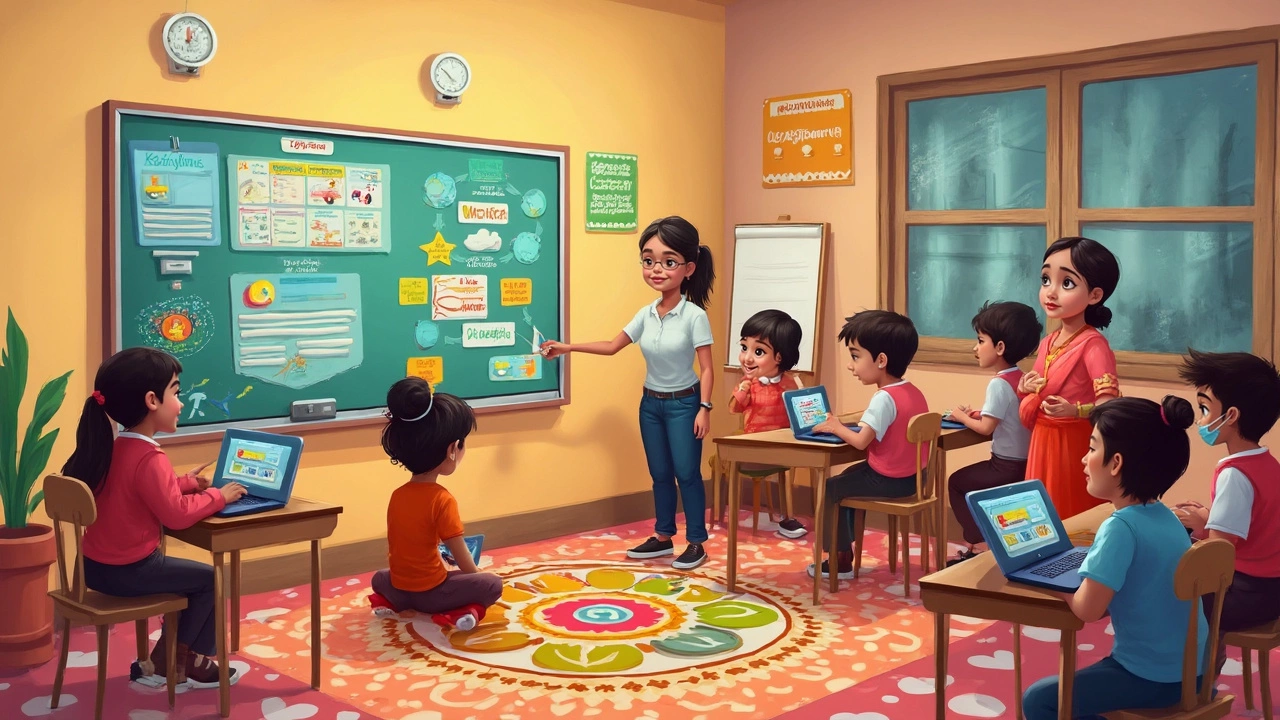
Explore the Google Education Platform: A Game Changer in E-Learning
In today's digital age, the Google Education Platform stands out as a pivotal tool transforming how students and educators approach learning. Offering a suite of innovative resources, it caters to the needs of learners and teachers alike, streamlining educational processes and enhancing collaboration. From Google Classroom's ease of use to Google Workspace's diverse features, these tools are designed to simplify and enrich the online educational experience. Learn how these digital solutions are reshaping the classroom and why they are becoming a staple in modern education.