
Government Job Source Finder
Not sure where to look first? Select your target role type below to get a customized search strategy, primary sources, and safety tips.
📍 Primary Search Strategy
You are scrolling through endless job portals, refreshing pages that haven't updated in weeks. The notification bell stays silent while your friends post about their new government postings. It’s frustrating, isn’t it? Most people think finding a government job is just about being smart enough to pass an exam. But here is the truth: half the battle is knowing where to look before the competition even wakes up.
If you are hunting for stable, respected roles in the public sector, you need a strategy, not just hope. Whether you are targeting central agencies like the UPSC or state-level positions through various Public Service Commissions (PSCs), the right source can save you months of wasted effort. Let’s break down exactly where you should be looking and how to filter out the noise.
Why Official Portals Beat Aggregators Every Time
Third-party job boards like Naukri or Indeed are great for private sector roles, but they often lag when it comes to government vacancies. Why? Because government notifications follow strict legal protocols. They must be published on specific gazettes and official websites first. If you rely solely on aggregators, you might see a listing three days after the application window has already closed for early birds.
The primary source for any serious candidate is the Union Public Service Commission (UPSC) website. This is the gold standard for central government exams like Civil Services, CDS, and NDA. The site doesn't have flashy ads or confusing interfaces. It lists notifications in PDF format directly from the commission. Yes, reading PDFs feels outdated, but it ensures you get the raw, unedited requirements straight from the authority.
Similarly, if you are eyeing banking or insurance roles, go straight to the source. The Institute of Banking Personnel Selection (IBPS) portal handles most public sector bank recruitments. Checking IBPS directly means you see eligibility criteria changes instantly, without waiting for a blog post to summarize them.
Navigating State-Level Opportunities
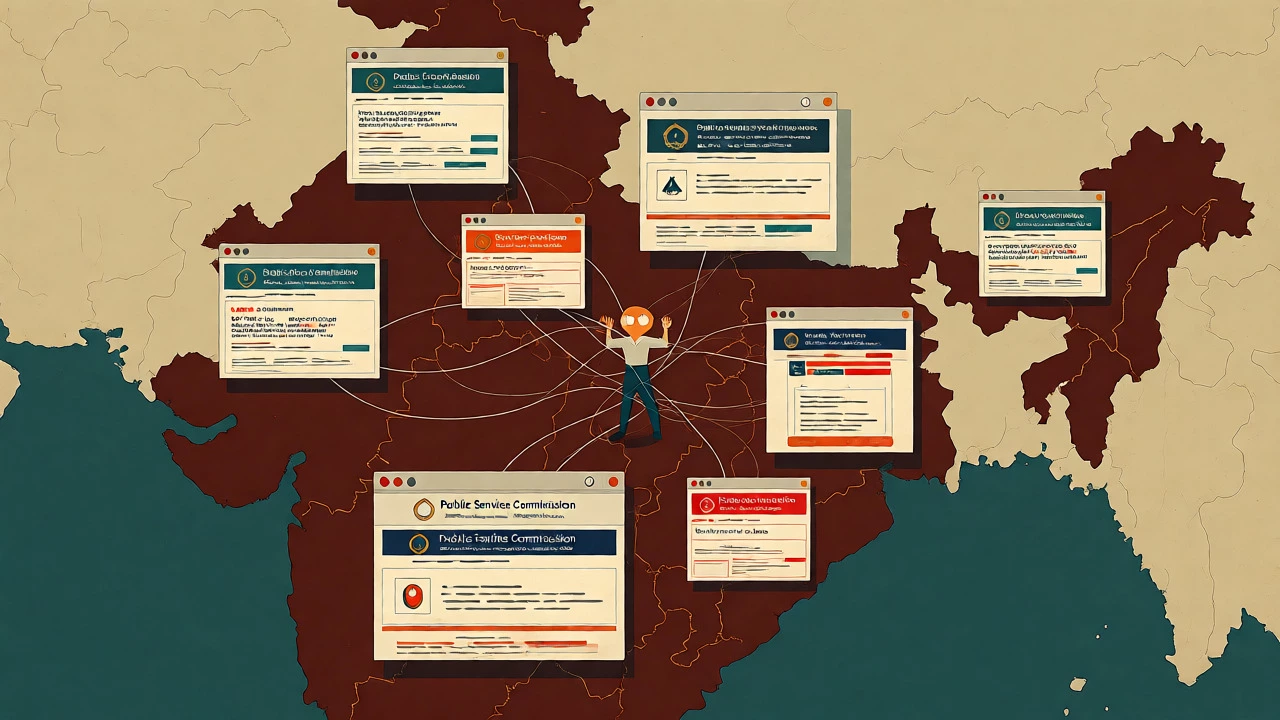
Central jobs get the hype, but state governments hire more people. The problem is fragmentation. There is no single "India-wide" button for state jobs. You need to know which state you want to work in and then visit that specific state's Public Service Commission website.
For example, if you live in Maharashtra, the Maharashtra Public Service Commission (MPSC) site is your daily check. In Uttar Pradesh, it’s UPPSC. These sites often use older technology stacks. Expect slow loading times and occasional server crashes during peak hours. Don’t let that discourage you. Bookmark these sites and set up RSS feeds if available, or use simple browser extensions that alert you when a page changes.
A common mistake candidates make is ignoring municipal corporations and local bodies. Cities like Delhi, Mumbai, and Bangalore have their own recruitment drives for clerks, engineers, and administrative staff. These roles often have less competition than UPSC exams but offer similar stability. Check the official websites of major municipal corporations directly; they rarely advertise on national news channels.
Leveraging Employment News and Weekly Gazettes
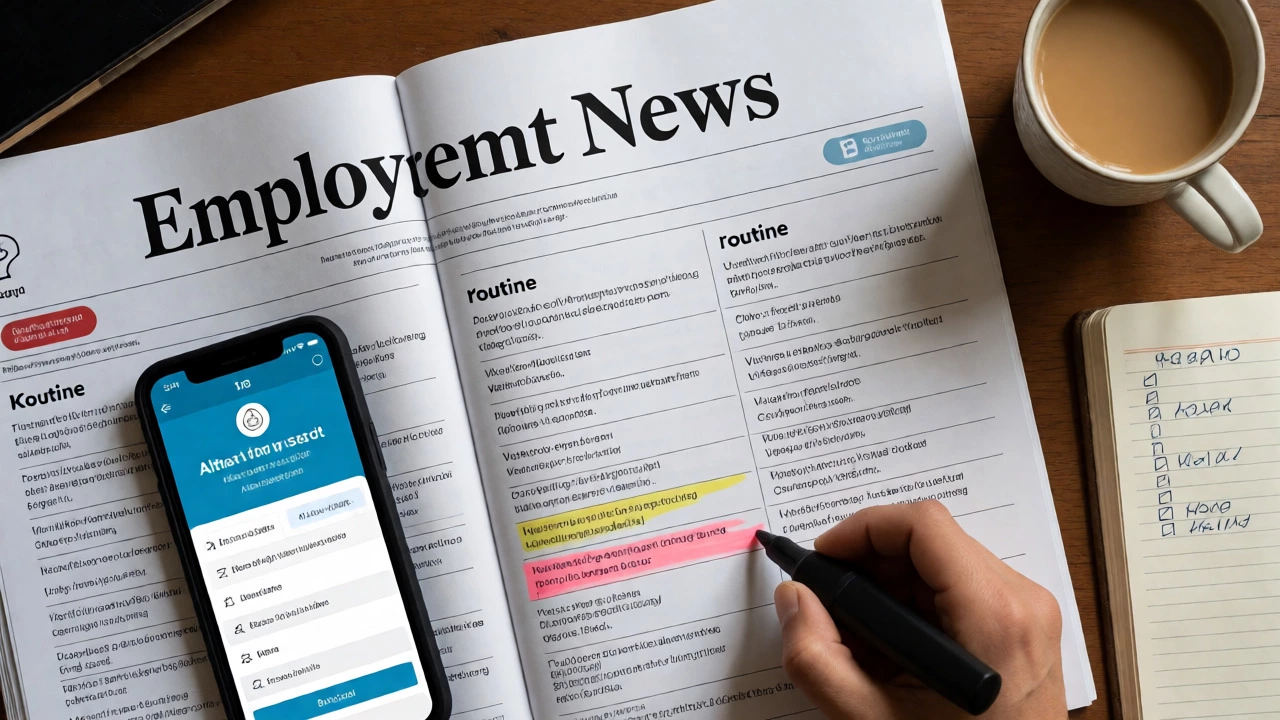
Before the internet took over, everyone read Employment News. Today, the digital version of this weekly publication remains a critical resource. Published by the Directorate of Employment and Training, it aggregates vacancies from across the country into one document. Think of it as a master index.
While it covers everything from railways to defense, it requires patience. The text is dense. However, scanning the "Weekly Gazette" section gives you a comprehensive view of what is opening up nationally. Many aspirants skip this because it looks boring. That is your advantage. If you spend 30 minutes every Wednesday reviewing the latest Employment News issue, you will find niche opportunities that others miss entirely.
Using Technology Smartly: Alerts and Apps
You cannot manually check fifty different websites every day. That is where technology helps, provided you use it correctly. Instead of generic job alerts, create targeted notifications. Use tools like Google Alerts with specific keywords such as "UPSC notification 2026" or "SSC CGL vacancy." Set the frequency to "As-it-happens" so you get emails immediately.
Mobile apps dedicated to competitive exams can also streamline your search. Apps like Adda247 or Testbook aggregate notifications from multiple sources. While they are convenient, always verify the details on the official website mentioned in the app. Never apply based solely on an app summary. Misinterpretations happen, and a wrong eligibility check can lead to rejection at the document verification stage.
| Source Type | Speed of Information | Reliability | Best For |
|---|---|---|---|
| Official Websites (UPSC/SSC) | Instant (Primary Source) | High (100% Accurate) | Final verification and applying |
| State PSC Portals | Variable (Often delayed) | High | Regional language posts and state-specific roles |
| Employment News (Weekly) | Weekly Update | Medium-High | Broad overview of all sectors |
| Aggregator Apps/Blogs | Fast (Secondary Source) | Medium (Risk of errors) | Discovery and quick alerts |
Avoiding Scams and Fake Notifications
The desperation for a government job makes candidates vulnerable. Scammers know this. They create fake websites that look nearly identical to official portals. They charge fees for "pre-registration" or "admit card downloads" that should be free or handled differently.
Here is a rule of thumb: If a site asks for money before you have even seen the official notification PDF, be suspicious. Official government portals usually allow you to download notifications for free. Payment gates typically appear only when you are submitting the final application form. Always check the URL. Official Indian government sites end in .gov.in or .nic.in. If you see .com or .org, double-check the authenticity.
Building a Personalized Search Routine
Finding the best place to look isn't about one magic website. It’s about building a routine. Start your week by checking the top three central agencies relevant to your profile (e.g., SSC, IBPS, RRB). Then, rotate through your target state PSCs. Finally, skim the aggregator headlines for anything unexpected.
Keep a spreadsheet. List the agency name, last checked date, and current status. This prevents you from checking the same site five times in one day while missing another that updated yesterday. Consistency beats intensity. Ten minutes of focused searching daily is better than two hours of frantic clicking once a week.
Is it safe to pay for government job alerts?
Generally, no. Most legitimate government job notifications are free to access. While some premium services offer curated summaries or study materials, you should never pay just to see a vacancy list. Stick to free alerts from official sources or reputable educational platforms that clearly separate their paid courses from free news updates.
How do I find government jobs in my specific district?
District-level jobs are often advertised on the official website of the District Collectorate or Municipal Corporation. Additionally, many states have local employment exchanges. Registering with your local employment exchange can provide you with physical newspapers or SMS alerts for very localized vacancies that don't make national news.
Do government jobs require specific software skills?
It depends on the role. Clerical and general administration roles may require basic computer literacy. However, technical positions in IT departments, data analysis, or engineering branches increasingly demand proficiency in specific tools like Python, SQL, or CAD software. Always check the syllabus and skill requirements in the official notification PDF.
What is the difference between SSC and UPSC?
The Union Public Service Commission (UPSC) conducts exams for higher-level central services like IAS, IPS, and IFS. The Staff Selection Commission (SSC) recruits for lower to mid-level non-gazetted posts in various ministries, such as Stenographers, Constables, and Junior Accountants. UPSC roles generally have higher prestige and salary scales, while SSC offers a wider volume of entry-level positions.
Can I apply for government jobs outside my home state?
Yes, for central government jobs (UPSC, SSC, Railway), you can apply from anywhere in India. For state government jobs, rules vary. Some states restrict applications to residents of that state or those who studied there, especially for language-dependent posts. Others are open to all Indians. Always check the "Eligibility Criteria" section of the specific state notification carefully.