
NEET Teacher Salary Calculator
Calculate Your Salary
Salary Range
Key factors affecting your salary:
- Performance bonuses can add ₹1-2 lakhs/year
- Online teachers need YouTube/Instagram presence
- Gender pay gap: 15-20% less for female teachers
If you're wondering how much a NEET teacher earns in India, the answer isn't simple. Salaries vary wildly depending on location, experience, institute size, and whether the teacher works for a big coaching chain or runs their own small center. There's no official database, but after talking to dozens of educators and reviewing pay structures across cities, here's what you can realistically expect.
Starting Salaries for New NEET Teachers
A fresh graduate with a medical degree and no teaching experience usually starts at ₹15,000 to ₹25,000 per month in Tier-2 or Tier-3 cities like Lucknow, Indore, or Jaipur. In smaller towns, it can dip as low as ₹12,000. These teachers often handle 4-6 classes a week, each with 80-120 students. They’re expected to prepare their own notes, conduct doubt sessions, and sometimes manage student attendance logs. Many start as part-timers while preparing for their own NEET or PG entrance exams.
In metro cities like Delhi, Mumbai, or Bengaluru, entry-level pay is higher-₹25,000 to ₹35,000-but so is the cost of living. These teachers usually work 6-8 hours a day, with weekend batches adding extra hours. Some institutes offer performance bonuses based on student results, but that’s rare for beginners.
Mid-Career NEET Teachers: The Sweet Spot
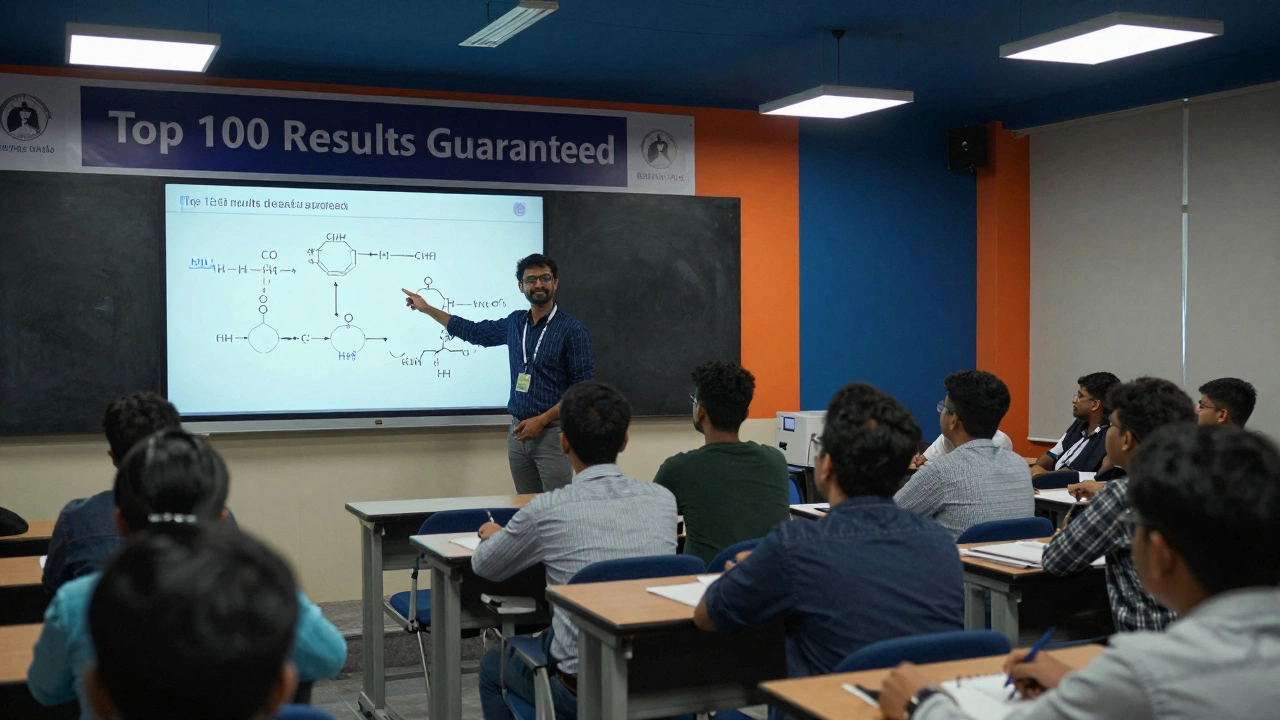
After 3-5 years of consistent teaching, most NEET faculty hit their earning peak. In established coaching centers like Aakash, Allen, or Motion, experienced teachers earn ₹50,000 to ₹80,000 per month. What changes? They’re no longer just lecturing-they’re designing modules, training junior teachers, and leading revision camps. Many get housing allowances, travel reimbursements, and health insurance.
Teachers who specialize in high-weightage subjects like Biology (especially Human Physiology and Genetics) or Organic Chemistry are in high demand. A senior Biology faculty member at a top-tier institute in Kota can pull in ₹90,000+ if their batch consistently produces top 100 rankers. Some even get performance-linked bonuses of ₹1-2 lakhs per year if 5+ students from their class crack NEET in the top 1000.
Private Tutors and Independent Coaches
Not all NEET teachers work for coaching institutes. Many choose to go solo. These independent tutors charge ₹500 to ₹1,500 per hour, depending on their track record. A tutor with 5+ years of experience and a proven history of students getting into AIIMS or JIPMER can easily earn ₹1.5-2.5 lakhs per month by teaching 3-4 batches of 15-20 students each.
But this path isn’t easy. They handle everything: marketing on Instagram and WhatsApp, managing study materials, scheduling, billing, and even parent meetings. Many work 12-hour days. Some rent small rooms in Kota or Lucknow and convert them into mini-coaching centers. One teacher in Bhopal told me he runs 6 batches a week, charges ₹8,000 per student per month, and has 120 students. That’s ₹9.6 lakhs monthly revenue before expenses. After rent, materials, and assistants, his net profit is around ₹5.5 lakhs.
How Location Changes Everything
Salary isn’t just about experience-it’s about geography.
- Kota (Rajasthan): The NEET capital. Salaries are highest here. Senior faculty earn ₹80,000-₹1.2 lakh. Many institutes offer free accommodation and meals. Competition is fierce, and turnover is high.
- Delhi-NCR: Pay is solid-₹60,000-₹90,000-but living costs eat up nearly 40% of income. Teachers here often juggle multiple institutes.
- Bengaluru and Hyderabad: Growing markets. Pay is ₹50,000-₹75,000. Institutes are more tech-savvy, so teachers need to use LMS platforms like Google Classroom or Moodle.
- Tier-2 Cities (Patna, Varanasi, Nagpur): ₹35,000-₹55,000. Demand is rising fast as more students skip Kota to stay closer to home.
- Smaller Towns: ₹20,000-₹35,000. Teachers here often teach multiple subjects-Physics, Chemistry, Biology-to make ends meet.
Do Online NEET Teachers Earn More?
Online platforms like Unacademy, Byju’s, and Vedantu pay differently. A top online NEET teacher with 100,000+ subscribers can earn ₹1-3 lakhs per month. But they’re not just teaching-they’re content creators. They film lectures, edit videos, respond to comments, and run live Q&A sessions. Many have teams helping them manage social media, analytics, and course updates.
For mid-tier online teachers, earnings are between ₹40,000 and ₹80,000 monthly. They usually teach 2-3 live classes a week and record pre-recorded modules. The upside? No commute, no classroom management, and the ability to teach students across India. The downside? No job security. If a platform drops your course, your income vanishes overnight.
What Skills Actually Pay Off?
It’s not just about knowing the syllabus. The best-paid NEET teachers have a few extra traits:
- Clarity: Can explain complex topics like enzyme kinetics or neural pathways in under 5 minutes.
- Consistency: Students trust teachers who deliver the same quality every class.
- Results: If 70% of your students score above 650, you’re in demand.
- Communication: You need to handle anxious parents, unmotivated students, and angry complaints-all calmly.
- Adaptability: NEET patterns change every year. Top teachers update their material constantly.
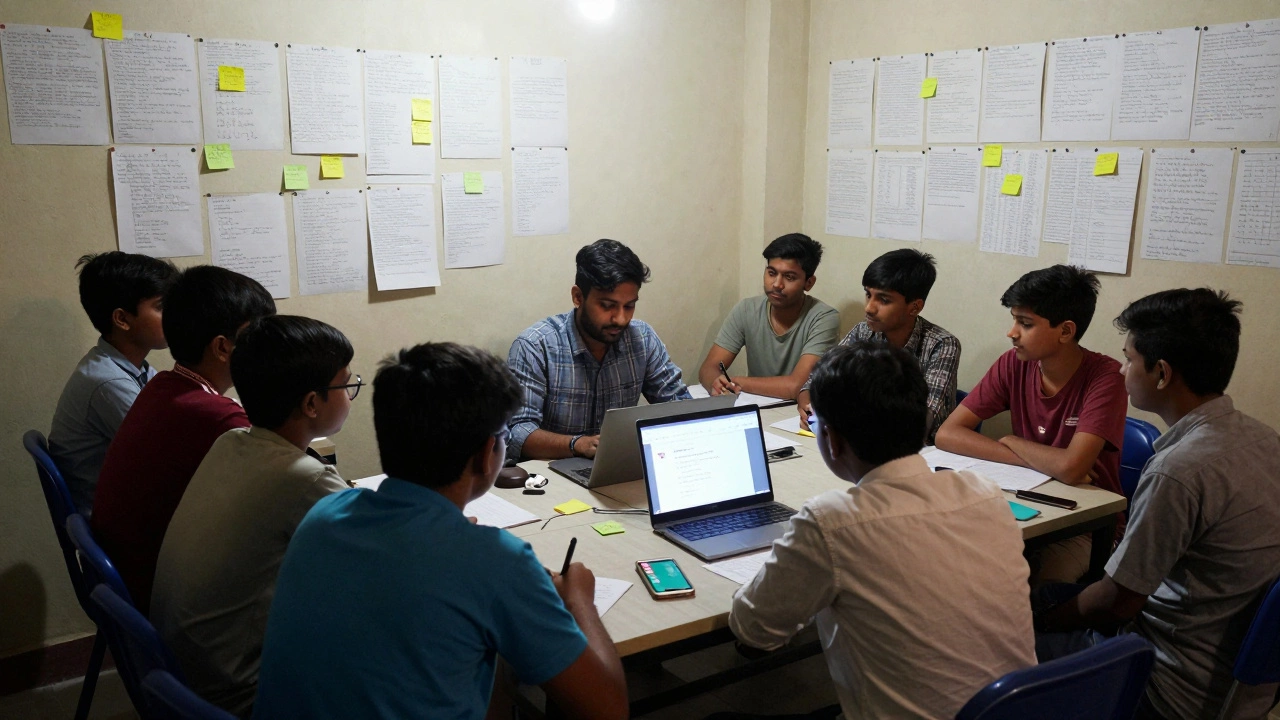
One teacher in Jaipur told me he spends 10 hours a week just updating his notes based on previous year’s papers. He doesn’t just teach-he studies the exam.
The Dark Side: Burnout and Instability
Many don’t talk about it, but NEET teaching is exhausting. Teachers often work 6-7 days a week. Weekends are packed with mock tests and doubt-clearing sessions. Many report chronic back pain from standing for hours, voice loss, and anxiety from pressure to deliver results.
Contract jobs are common. Most teachers are hired on 6-month or yearly contracts. No PF, no gratuity, no leave policy. If a student batch doesn’t perform well, the teacher gets replaced. One coach in Kota said he’s been fired twice in 8 years just because his students didn’t crack the top 500.
There’s also a gender pay gap. Female NEET teachers with the same experience and results often earn 15-20% less than their male counterparts, especially in smaller towns.
What It Takes to Earn ₹1 Lakh+ Monthly
To hit ₹1 lakh+ consistently, you need:
- At least 7 years of teaching experience
- A proven track record of top 100-500 rankers
- Teaching in Kota, Delhi, or a top-tier online platform
- Specialization in Biology or Organic Chemistry
- Own brand or YouTube channel with 50k+ followers
Some go further-start their own coaching centers, publish books, or license their study material. One former Allen teacher now sells NEET prep PDFs online and earns ₹4 lakhs/month passively.
Final Reality Check
Most NEET teachers earn between ₹30,000 and ₹70,000 a month. Only a small fraction-around 5-7%-break the ₹1 lakh barrier. It’s not a high-paying job by Indian standards unless you build a brand or scale up.
If you’re considering this career, ask yourself: Are you okay with working 70+ hours a week? Can you handle the emotional toll of students failing? Do you enjoy explaining the same topic 100 times? If yes, it can be rewarding. If not, there are easier paths.
One thing’s certain: As long as millions of Indian students dream of becoming doctors, there will be demand for teachers who can turn that dream into reality. The pay may not be glamorous, but the impact? That’s priceless.