
2026 Career Pathway Estimator
Step 1: Select Your Focus Areas
Choose up to 3 high-demand skills you want to master.
Data Literacy
TechnicalExcel, SQL, Tableau. Interpreting data to tell stories.
AI & Automation
TechnicalLLMs, Zapier, Python basics. Boosting productivity.
Cybersecurity
TechnicalNetwork security, compliance, privacy regulations.
Emotional Intelligence
Soft SkillEmpathy, conflict resolution, remote collaboration.
Adaptability
Soft SkillResilience, handling ambiguity, pivoting quickly.
Critical Thinking
Soft SkillProblem solving, bias identification, ethical judgment.
Your Personalized Insight
Select skills and click "Generate" to see your estimated timeline and industry fit.
The job market has shifted. It is no longer about just having a degree. Employers are looking for specific, practical abilities that solve immediate problems. If you are wondering what skill is most in demand, the answer lies at the intersection of technology and human connection. The landscape of work in 2026 rewards those who can adapt quickly.
The Shift from Degrees to Demonstrable Abilities
For decades, the path to a stable career was simple: go to university, get a degree, and find a job. That model is crumbling. Today, hiring managers care less about where you studied and more about what you can actually do on day one. This shift puts power back into your hands. You don't need four years to prove your worth. You need months, or even weeks, to master a high-value skill through targeted online courses.
This change means that lifelong learning is not a buzzword anymore; it is a survival strategy. The half-life of a learned skill is shrinking. What was relevant five years ago might be obsolete today. To stay competitive, you must constantly update your toolkit. The good news? The barriers to entry have never been lower. Platforms like Coursera, Udemy, and LinkedIn Learning offer access to world-class instruction for a fraction of the cost of traditional education.
Technical Skills: The Non-Negotiable Foundation
While soft skills matter, technical proficiency remains the bedrock of employability in 2026. However, "technical" does not always mean coding. It means digital fluency. Here are the top technical areas driving demand right now.
Data Literacy and Analysis
Every company is a data company now. Even if you are not a software engineer, you need to understand how to interpret data. Data analysis is the ability to collect, process, and analyze information to uncover useful insights. You do not need to be a mathematician to start. Learning tools like Microsoft Excel (advanced functions), Tableau, or Power BI can make you indispensable. These skills allow you to tell stories with numbers, helping leadership make informed decisions.
- Excel: Master pivot tables, VLOOKUP, and macros. It is still the universal language of business.
- SQL: Learn to query databases. It is essential for anyone working with large datasets.
- Visualization Tools: Tableau and Power BI help turn raw data into clear, actionable charts.
AI and Automation Proficiency
You do not need to build artificial intelligence models to benefit from them. The most sought-after employees are those who know how to use AI tools to boost their productivity. Artificial Intelligence is transforming every industry, from healthcare to marketing. Understanding how to prompt Large Language Models (LLMs) effectively, automate repetitive tasks using tools like Zapier, or leverage AI-driven analytics is a massive advantage. Companies want people who can do the work of two people by leveraging smart technology.
Cybersecurity Awareness
As businesses move online, security threats increase. While dedicated cybersecurity roles require deep expertise, general cybersecurity awareness is critical for all employees. Understanding phishing attacks, password hygiene, and data privacy regulations (like GDPR or CCPA) makes you a safer hire. For those looking to specialize, certifications in ethical hacking or network security command some of the highest salaries in the tech sector.
| Skill Area | Key Tools/Concepts | Learning Curve | Primary Industries |
|---|---|---|---|
| Data Analysis | Excel, SQL, Tableau | Medium | All Sectors |
| AI & Automation | LLMs, Zapier, Python basics | Low to Medium | Tech, Marketing, Ops |
| Cybersecurity | Network Security, Compliance | High | Finance, Healthcare, IT |
Soft Skills: The Human Edge
If technical skills get you the interview, soft skills get you the job-and keep you there. As automation handles more routine tasks, uniquely human traits become more valuable. These are the skills that machines simply cannot replicate.
Emotional Intelligence (EQ)
Emotional Intelligence is the ability to recognize, understand, and manage your own emotions, as well as influence the emotions of others. In remote and hybrid work environments, EQ is crucial. It helps you navigate conflicts, build trust with colleagues you rarely see face-to-face, and lead teams with empathy. High EQ leads to better collaboration and higher employee retention.
Adaptability and Resilience
The only constant in 2026 is change. Adaptability is the capacity to adjust to new conditions. Whether it is a new software platform, a restructuring, or a sudden shift in market trends, adaptable employees thrive under pressure. Resilience goes hand-in-hand with this; it is the ability to bounce back from setbacks without losing momentum. Employers value candidates who show they can handle ambiguity and learn from failure.
Critical Thinking and Problem Solving
We live in an age of information overload. Critical thinking is the skill of analyzing facts to form a judgment. It involves questioning assumptions, identifying biases, and evaluating evidence. When AI generates multiple solutions, humans must decide which one is ethical, feasible, and aligned with company goals. Critical thinkers are the filters that ensure quality and integrity in decision-making.
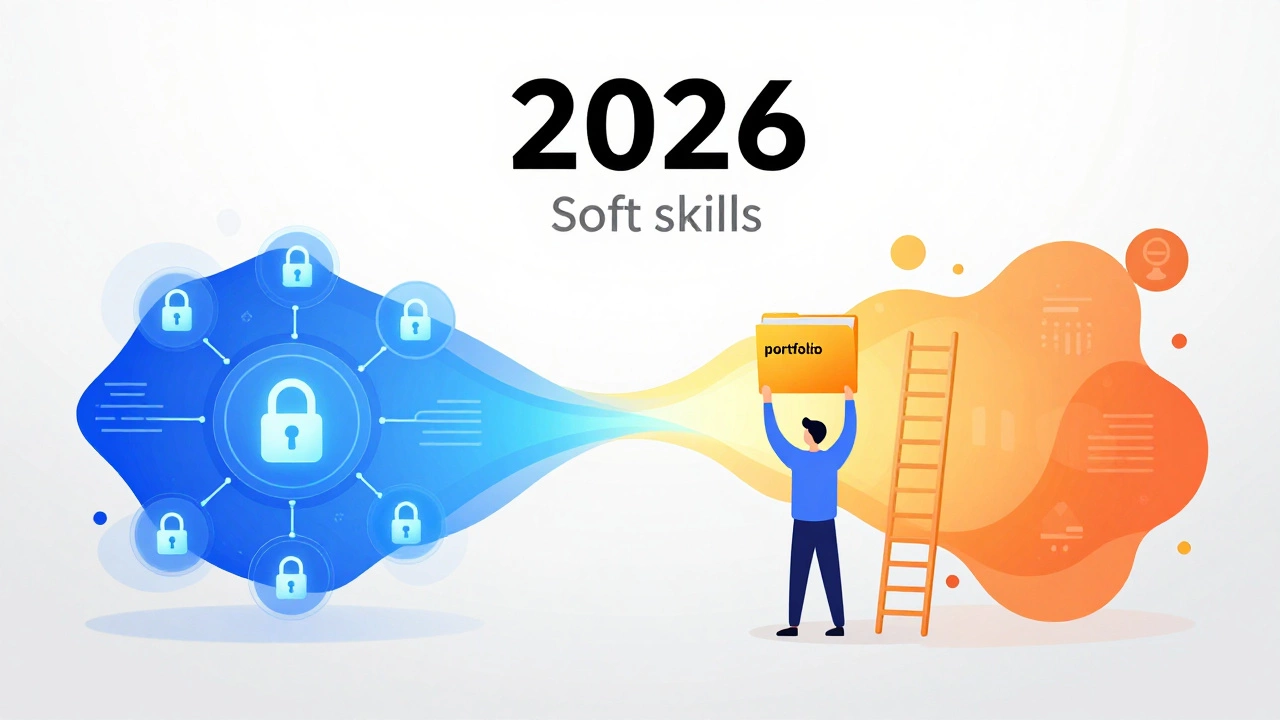
How to Choose Your Next Skill
It is tempting to chase every trending skill, but that leads to burnout and shallow knowledge. Instead, take a strategic approach. Ask yourself these three questions:
- What is my current role? Identify the gaps in your daily workflow. What tasks take too long or cause frustration? Learning a skill that solves these immediate problems yields quick wins.
- Where do I want to be in five years? Look at job descriptions for your dream position. What skills appear repeatedly? Focus on those that are transferable across industries.
- What am I naturally good at? Leverage your existing strengths. If you are creative, combine design skills with data visualization. If you are analytical, pair coding with finance.
Remember, depth beats breadth. Being an expert in one high-demand area is often more valuable than being mediocre in ten. Specialization allows you to charge premium rates and stand out in a crowded market.
Building a Portfolio, Not Just a Resume
In the digital age, proof matters more than promises. A resume lists your past; a portfolio shows your potential. Regardless of your field, create tangible evidence of your skills.
- For Developers: Build GitHub repositories with clean, commented code. Contribute to open-source projects.
- For Marketers: Create case studies showing campaign results. Include metrics like ROI, engagement rates, and conversion improvements.
- For Designers: Maintain a Behance or Dribbble profile showcasing your process, not just final images.
- For Writers: Publish articles on Medium or LinkedIn. Share your writing samples publicly.
These artifacts serve as conversation starters in interviews. They demonstrate initiative and competence. They also help you network. Sharing your work invites feedback and connections from peers and industry leaders.

Leveraging Online Learning Effectively
Enrolling in a course is easy. Completing it and applying the knowledge is hard. To maximize your investment in online education, follow these best practices:
- Set Specific Goals: Define what you want to achieve by the end of the course. Is it a certification? A new project? A promotion?
- Schedule Dedicated Time: Treat learning like a job appointment. Block out 30-60 minutes daily rather than cramming on weekends.
- Apply Immediately: Do not wait until you finish the entire course. Apply what you learn each week to real-world tasks.
- Engage with Community: Join forums, discussion groups, or study circles. Peer interaction reinforces learning and expands your network.
Consistency is key. Small, regular efforts compound over time. Six months of focused learning can transform your career trajectory.
Future-Proofing Your Career
The concept of a "job for life" is dead. In its place is the gig economy and project-based work. Future-proofing means building a diverse skill set that allows you to pivot quickly. Combine technical hard skills with human-centric soft skills. Stay curious. Follow industry trends. Read widely. Talk to people outside your bubble.
Most importantly, embrace a growth mindset. Believe that your abilities can be developed through dedication and hard work. This fundamental belief shapes how you approach challenges. It turns obstacles into opportunities for learning. In a rapidly changing world, the most in-demand skill is the ability to learn itself.
What is the single most in-demand skill in 2026?
There is no single "best" skill, as demand varies by industry. However, data literacy combined with adaptability is universally valuable. The ability to interpret data to make decisions and adjust to new tools or processes makes you highly employable across sectors.
Are online certificates worth getting?
Yes, if they come from reputable platforms and are backed by practical projects. Certifications validate your knowledge, but employers care more about what you can do. Use certificates as a stepping stone to build a portfolio of real-world work.
How long does it take to learn a new high-demand skill?
It depends on complexity and prior experience. Basic data analysis or Excel skills can be learned in 4-8 weeks with consistent practice. More complex skills like programming or cybersecurity may take 6-12 months to reach professional proficiency.
Can I switch careers with just online courses?
Absolutely. Many professionals successfully transition by combining targeted online learning with networking and portfolio building. Focus on transferable skills and highlight how your past experience adds unique value to the new role.
What free resources are available for learning these skills?
Platforms like Khan Academy, YouTube tutorials, and free tiers of tools like Google Analytics Academy offer excellent starting points. Libraries often provide free access to paid learning platforms like LinkedIn Learning or Coursera.