School Curriculum: What It Is, How It Works, and What Really Matters
When we talk about school curriculum, the planned set of learning experiences and content delivered in schools to meet educational goals. Also known as academic program, it’s the hidden blueprint behind every lesson, textbook, and exam in a student’s day. It’s not just a list of subjects. It’s what decides whether a child learns to think critically, solve problems, or just memorize facts for a test.
A strong curriculum design, the process of organizing learning goals, materials, and assessments to ensure effective education balances what’s taught with how it’s taught. In India, the education system, the structured network of institutions, policies, and standards that deliver learning from primary to higher education often pushes students through rigid frameworks—like rote learning for board exams—while global trends focus on skills like creativity, collaboration, and digital literacy. The best curriculums don’t just cover content; they build habits. They ask: Can the student apply this? Can they explain it? Can they use it when the test is over?
What makes one curriculum work and another fail? It’s not the number of hours or the size of the textbook. It’s whether the teaching standards, the benchmarks that define quality instruction, teacher training, and classroom practices match the goals. A curriculum that says "students will understand fractions" but only gives worksheets without real-life examples is broken. The same curriculum, paired with teachers who use cooking, shopping, or sports to show fractions in action, becomes powerful. And that’s where the real difference happens—in the classroom, not the syllabus.
Learning outcomes aren’t just test scores. They’re whether a student can think for themselves, ask better questions, or adapt when things change. That’s why the most effective curriculums today—whether in Singapore, Finland, or top Indian schools—focus less on covering everything and more on helping students master the essentials. They cut the clutter. They let teachers adapt. They let kids explore.
You’ll find posts here that dig into what’s actually working in schools right now—from how math competitions shape thinking, to why coding is being added to classrooms, to how sleep and study habits affect learning. Some posts challenge the system. Others show you how to spot a curriculum that’s designed for real growth, not just rankings. Whether you’re a teacher, a parent, or a student, this collection gives you the facts behind the lessons—and the tools to see what matters most.
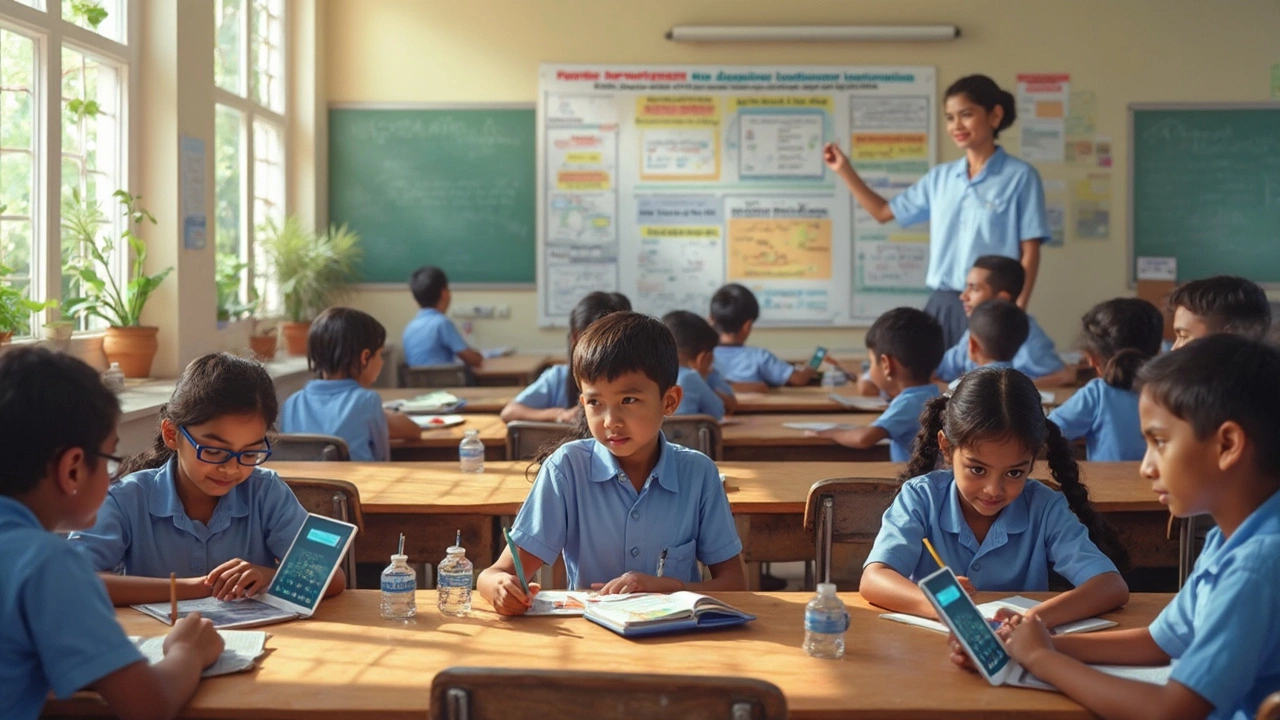
Delhi Public School: CBSE or ICSE? Full Guide to Curriculum, Differences & Choices
Find out if Delhi Public School follows CBSE or ICSE. Learn about differences between the boards, what parents and students should know, and tips for choosing the right curriculum.