Online Teaching Platform: What It Is and How It’s Changing Education
When you think of online teaching platform, a digital system that delivers lessons, tracks progress, and connects learners and teachers over the internet. Also known as e-learning platform, it’s no longer a luxury—it’s the backbone of how education works now, whether you’re a student in rural India or a teacher training at Jawhar College of Education. These aren’t just video calls or PDF uploads. They’re full systems that handle assignments, quizzes, feedback, attendance, and even live group discussions—all in one place.
What makes an online teaching platform different from just using YouTube or Google Docs? It’s structure. A real platform like Google Classroom or Moodle gives teachers control over pacing, gives students a clear path, and tracks who’s falling behind. It’s not about having tech—it’s about using tech to make learning stick. And it’s not just for universities. Even NEET and JEE coaching centers now use these platforms to give daily practice, record lectures, and analyze student performance. The best ones don’t just host content—they adapt to how students learn.
Related tools like digital learning platforms, systems that deliver structured courses and monitor student progress online are often confused with simple websites. But a digital learning platform includes analytics, automated grading, and student dashboards. Meanwhile, virtual classrooms, real-time interactive spaces where teachers and students meet live over the internet are the heartbeat of engagement. You can’t just post a video and call it teaching. You need the live interaction, the Q&A, the breakout rooms—the stuff that keeps students awake and involved.
And it’s not just about access. It’s about equity. A good online teaching platform lets a student in Bihar get the same coaching material as one in Mumbai. It lets a teacher in a small town record a lesson once and reuse it for hundreds of students. That’s why schools and training centers are shifting fast. Google’s tools, though free, are just one piece. The real power comes from platforms built for education—not for entertainment or business.
Some think these platforms replace teachers. They don’t. They free teachers from grading papers and managing attendance so they can focus on what matters: explaining tough concepts, giving personalized feedback, and inspiring students. At Jawhar College of Education, future teachers aren’t just learning pedagogy—they’re learning how to use these platforms effectively. Because the future of teaching isn’t in chalkboards or lecture halls. It’s in the cloud, in the app, in the screen that connects a curious mind to a great teacher, no matter where they are.
Below, you’ll find real stories and data on how these platforms are being used—from how Google Classroom powers learning in Indian homes, to why some students fail online courses not because they’re lazy, but because the platform wasn’t built for them. You’ll see what works, what doesn’t, and how to pick the right one—whether you’re a student, a teacher, or someone training to become one.
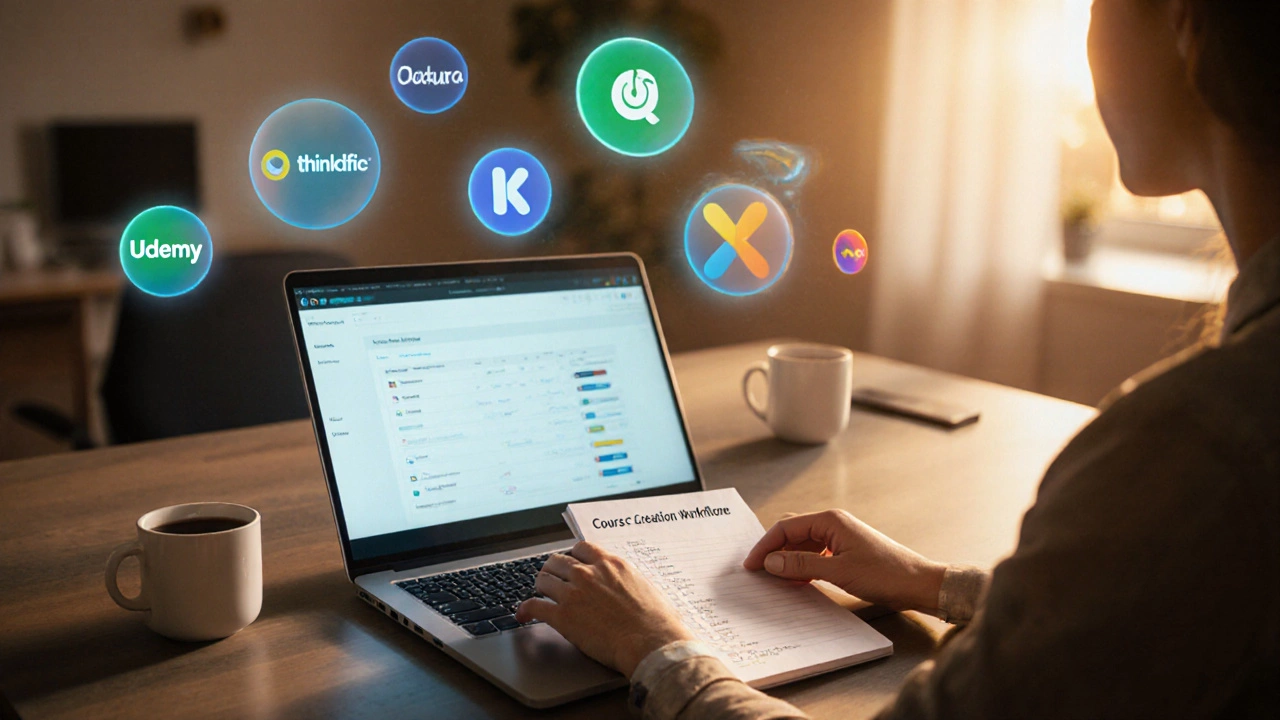
Best Online Teaching Platform 2025: In‑Depth Comparison & Guide
A concise guide to picking the best online teaching platform in 2025, comparing top options, pricing, features, and future trends for educators.