Learning Management System: What It Is and How It’s Changing Education
When you think about learning management system, a digital platform that hosts, delivers, and tracks educational content and student progress. Also known as LMS, it’s the backbone of modern classrooms—whether you’re studying online from home or your teacher uses it to post assignments in school. It’s not just a place to upload PDFs. A real learning management system connects students to lessons, quizzes, deadlines, and feedback—all in one spot. Teachers use it to see who’s falling behind. Students use it to stay on track. Schools use it to cut paperwork and scale teaching.
It’s not magic, but it’s close. Think of it like a digital classroom that never closes. You don’t need to be in the same room as your teacher. You don’t need to wait for printed handouts. With a learning management system, a digital platform that hosts, delivers, and tracks educational content and student progress, your progress is logged automatically. Grades, attendance, quiz scores—all recorded. And it’s not just for colleges. Schools in rural India use LMS platforms to reach students without reliable internet. Even teachers in training learn how to use these tools before they step into their first classroom.
What makes a good learning management system? It’s simple: it works. It doesn’t crash. It loads fast on old phones. It lets teachers create quizzes without coding. It lets students submit assignments with one click. You’ll find tools like Google Classroom, a free LMS used by millions of schools worldwide to organize assignments and communication in classrooms across India. But there are others—Moodle, Canvas, Blackboard—that do the same thing with different features. The best one isn’t the fanciest. It’s the one that fits how your school actually teaches.
And it’s not just about delivering content. A real learning management system helps you learn better. It tells you when you’re falling behind. It suggests review materials. It tracks how long you spend on each lesson. That’s why top JEE coaching centers now use LMS to monitor student progress daily. NEET toppers use it to organize their daily study plans. Even people learning to code rely on LMS platforms to track their progress through modules.
So if you’re wondering why your teacher keeps asking you to log in to some portal, now you know. It’s not bureaucracy. It’s the future of learning—and it’s already here. Below, you’ll find real guides on how to pick the best online teaching platform, how Google Classroom fits into the bigger picture, and what actually makes an LMS work for students and teachers alike. No theory. No fluff. Just what you need to know to make sense of the system you’re already using.
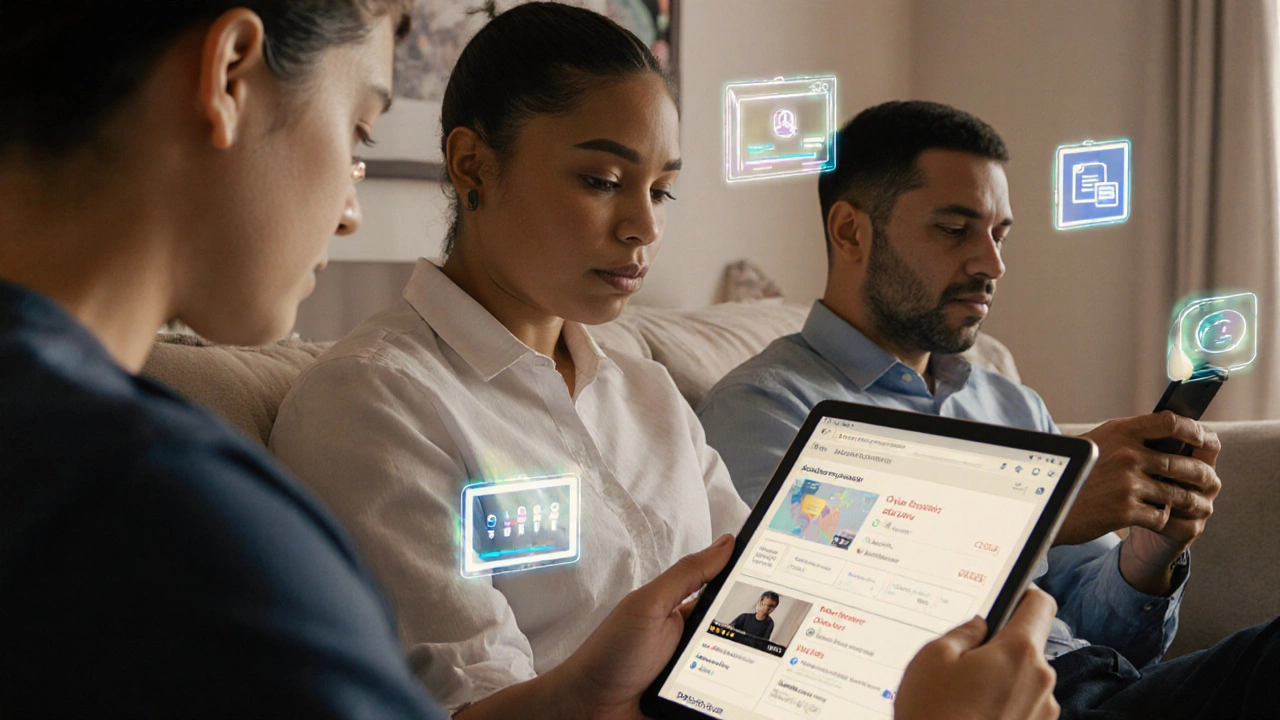
What Are Digital Learning Platforms? A Simple Guide for Students and Professionals
Digital learning platforms are online systems that deliver courses, track progress, and connect learners anywhere. They power everything from school lessons to professional certifications - and anyone can use them.