Indian Education: What Works, What Doesn't, and Who’s Winning
When we talk about Indian education, the system that shapes millions of students through high-stakes exams, teacher training programs, and increasingly digital classrooms. It’s not just about schools—it’s about survival, ambition, and the quiet grind behind every rank. You don’t need to be a policy expert to see it: if you’re preparing for JEE or NEET, you’re part of a machine that runs on sleepless nights, coaching centers, and relentless pressure. But Indian education isn’t just about entrance exams. It’s also about the teachers in training who learn how to connect with students, the digital platforms that now deliver lessons to villages, and the growing number of people asking: Is this system actually working?
Take JEE, the engineering entrance exam that decides who gets into IITs and NITs. It’s not just a test—it’s a filter. Only a fraction of candidates clear it, and those who do often follow a rigid schedule: 12-hour study days, minimal sleep, and coaching institutes that promise results. But what really matters? It’s not the name of the coaching center—it’s the clarity of the teacher, the consistency of practice, and whether the student can think, not just memorize. The same goes for NEET, the medical entrance exam that opens doors to MBBS seats across India. Fame doesn’t help here. What does? Teachers who explain like they’re talking to a friend, not a lecture hall. And behind both exams? teacher training, the often-overlooked foundation of everything. A great exam result starts with a great teacher. But too many training programs focus on theory, not real classrooms. The best educators aren’t born—they’re built through practice, feedback, and real experience. Meanwhile, digital learning platforms, from Google Classroom to specialized portals, are changing how students access content. They’re not replacing teachers, but they’re making quality resources available to kids who can’t afford coaching. That’s real progress.
Indian education isn’t broken—it’s overloaded. It’s packed with ambition, but short on balance. The system rewards those who can endure, not those who understand. But change is happening. More students are asking for clarity over cramming. More teachers are learning to teach, not just lecture. More families are choosing smart routines over sleepless marathons. What you’ll find below isn’t just a list of articles—it’s a map of what’s working, who’s succeeding, and how you can navigate this system without burning out. Whether you’re a student, a parent, or someone training to teach, there’s something here that’ll help you see past the noise.
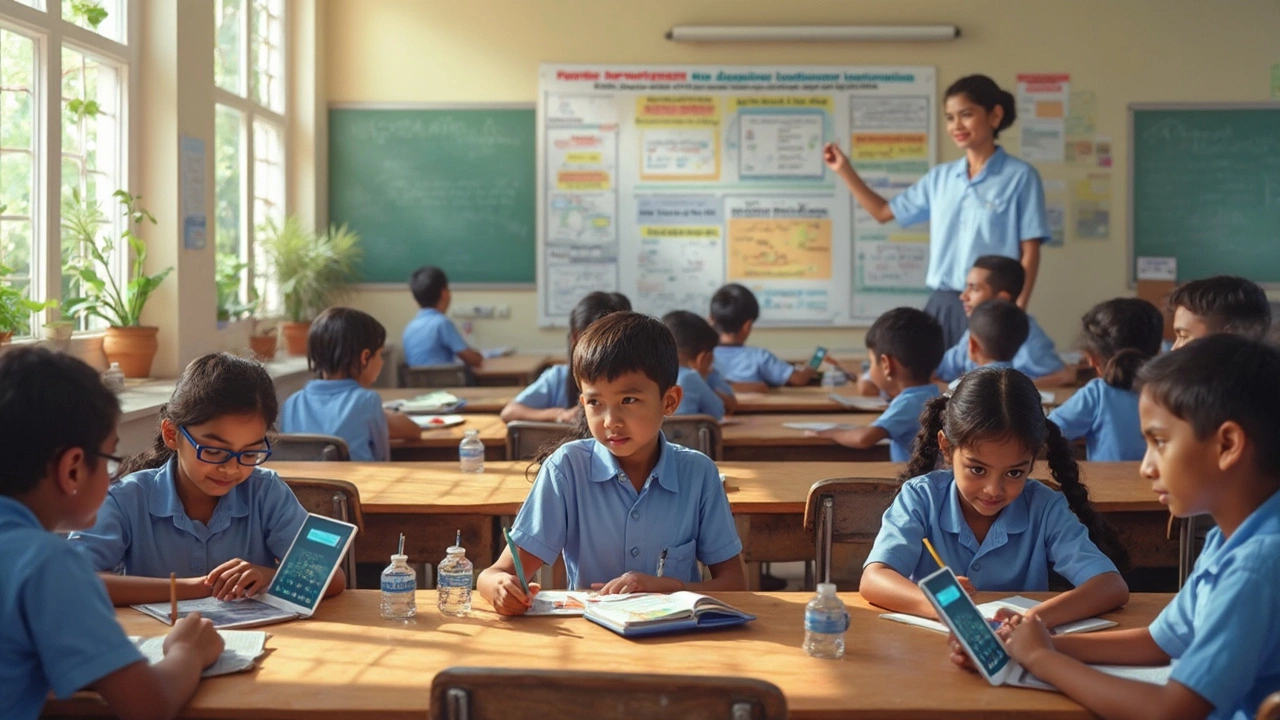
Delhi Public School: CBSE or ICSE? Full Guide to Curriculum, Differences & Choices
Find out if Delhi Public School follows CBSE or ICSE. Learn about differences between the boards, what parents and students should know, and tips for choosing the right curriculum.