ICSE: What It Is, How It Compares, and Why It Matters for Indian Students
When you hear ICSE, the Indian Certificate of Secondary Education, a national school board administered by the Council for the Indian School Certificate Examinations (CISCE). Also known as CISCE, it's one of the two major boards in India alongside CBSE, and it’s the choice for families who want a deeper, more language-rich education. Unlike other boards that focus on rote learning, ICSE pushes students to understand concepts, write clearly, and think critically—especially in English, science, and humanities.
ICSE isn’t just another exam board. It’s a system that shapes how students approach learning. The syllabus is broader, covering subjects like environmental education, performing arts, and computer applications, even in grade 10. Students take more internal assessments, and the final exams demand detailed answers, not just multiple-choice guesses. This means ICSE students often develop stronger writing skills and better time management than peers from other boards. But it also means more work—longer papers, more reading, and higher expectations. If you’re preparing for competitive exams later, like JEE or NEET, ICSE gives you a solid foundation in science and math, but you’ll still need to adjust to the faster, more formula-driven style of those tests.
Many parents choose ICSE because they want their kids to be comfortable in English-speaking environments—whether for college abroad, international careers, or just confident communication. Schools offering ICSE often have better resources, smaller class sizes, and more emphasis on projects and presentations. But it’s not for everyone. If your goal is to crack IIT JEE with maximum efficiency, some families switch to CBSE after grade 10 because its syllabus aligns more directly with the exam pattern. Still, ICSE graduates consistently rank high in national and international competitions, from science fairs to debate tournaments, because they’re trained to explain, not just memorize.
What you’ll find in the posts below are real insights from students, teachers, and experts who’ve lived through ICSE—what worked, what didn’t, and how to turn its challenges into advantages. Whether you’re a parent deciding on a school, a student stressing over the syllabus, or a teacher looking for better methods, these posts cut through the noise and give you what actually matters.
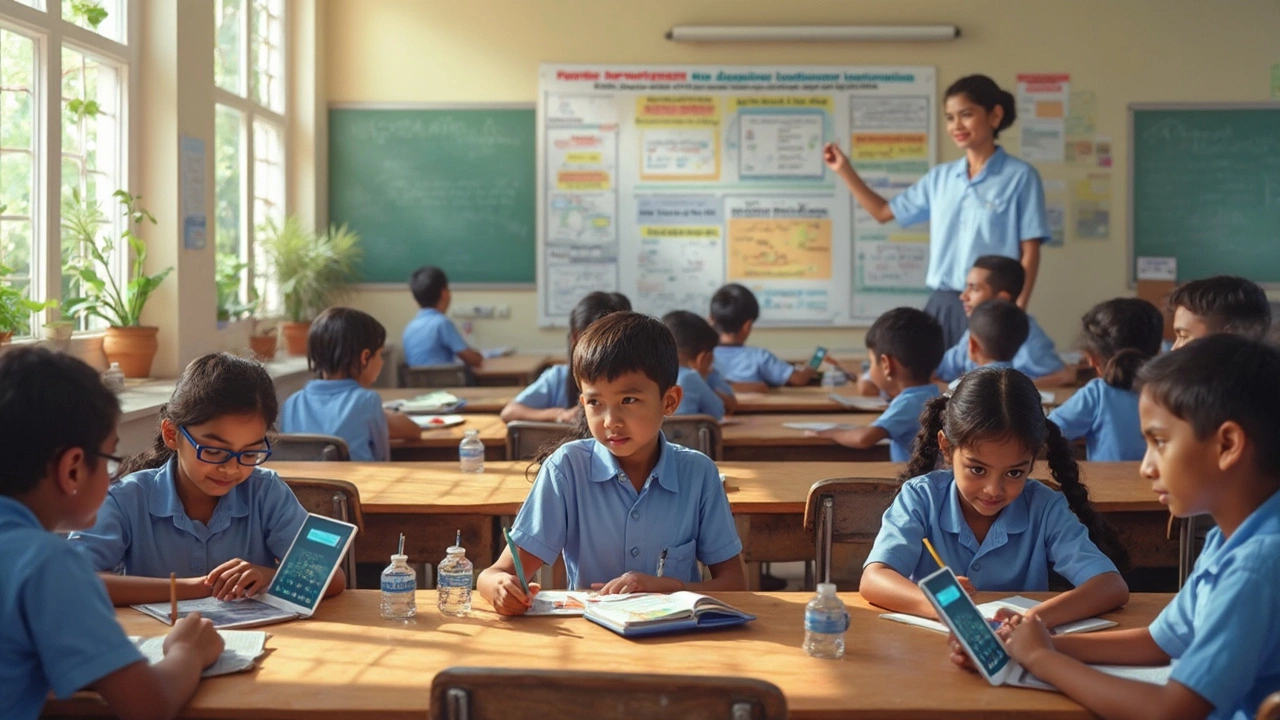
Delhi Public School: CBSE or ICSE? Full Guide to Curriculum, Differences & Choices
Find out if Delhi Public School follows CBSE or ICSE. Learn about differences between the boards, what parents and students should know, and tips for choosing the right curriculum.

Is ICSE Valid in the USA? An Insightful Look
Curious about whether ICSE is recognized in the USA? Learn how it compares with American educational standards, potential challenges, and how you can navigate them. Understand how ICSE graduates can smoothly transition to US universities and colleges. This article sheds light on international acceptance of ICSE, offering clarity for students and parents alike.