Digital Learning Platforms: What Works, What Doesn’t, and Who’s Using Them
When you hear digital learning platforms, online systems designed to deliver education content, track progress, and connect learners with instructors. Also known as e-learning platforms, they’re not just fancy websites—they’re the backbone of how millions learn today, from school kids in rural India to professionals upgrading skills in their living rooms. But not all of them work the same. Some feel like a digital textbook with a login page. Others feel like a real classroom—just without the chalk dust.
Think about Google Classroom, a free tool used by over 150 million students and teachers worldwide to assign work, give feedback, and keep track of deadlines. It doesn’t have fancy animations or AI tutors, but it works because it’s simple, integrates with other Google tools, and doesn’t require training. Then there are platforms like online teaching platforms, specialized tools built for educators to host live classes, sell courses, and manage student communities. These are powerful—but only if you know how to use them. Many teachers waste hours setting up videos, quizzes, and forums, only to find students never log in.
The real question isn’t which platform is the most expensive or has the most features. It’s: does it fit how people actually learn? A student preparing for JEE might use YouTube for problem-solving videos, Google Drive to store notes, and WhatsApp to ask questions—none of that is a formal digital learning platform, but it’s more effective than a locked-down LMS. Meanwhile, NEET aspirants rely on coaching apps that push daily quizzes and mock tests. And teachers? They’re using whatever gets the job done: Zoom, Telegram, or even a shared Google Sheet to track attendance.
What’s clear from the posts below is that digital learning isn’t about the tool—it’s about the habit. The best platforms don’t force you to learn. They make learning unavoidable. They show up in your notifications. They remind you. They track your progress without you even asking. And they’re not always the ones with the biggest budgets. Some of the most effective tools are the quiet ones—free, simple, and built for real life, not marketing brochures.
You’ll find posts here that cut through the hype. Some compare the top online teaching platforms of 2025. Others reveal why Google isn’t really an e-learning platform—but still powers more learning than most. You’ll see what JEE and NEET toppers actually use, why most people quit online courses, and how the simplest tools often win. No fluff. No sales pitches. Just what’s working right now—for students, teachers, and anyone trying to learn in a world that never stops moving.
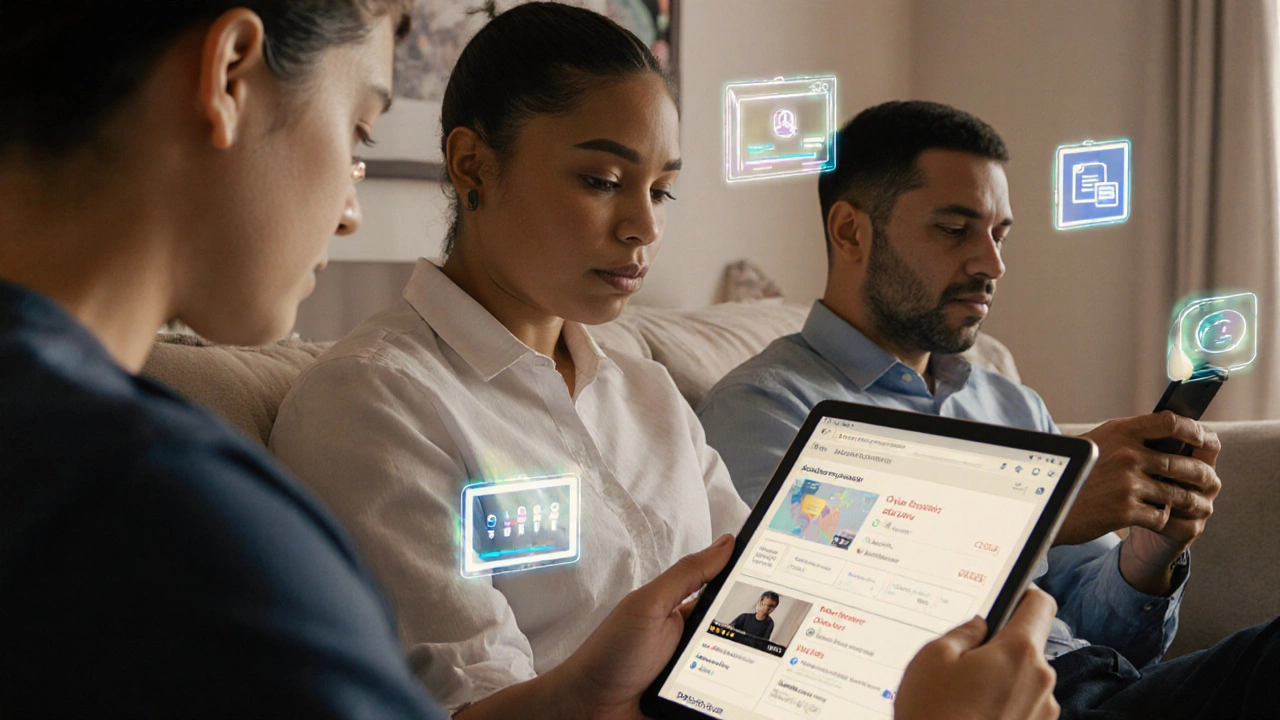
What Are Digital Learning Platforms? A Simple Guide for Students and Professionals
Digital learning platforms are online systems that deliver courses, track progress, and connect learners anywhere. They power everything from school lessons to professional certifications - and anyone can use them.