Digital Classrooms: What They Are and How They’re Changing Education
When we talk about digital classrooms, online learning environments where teachers and students interact through technology. Also known as virtual classrooms, they’re not just video calls with a whiteboard—they’re full systems that deliver lessons, track progress, and connect learners no matter where they are. This isn’t science fiction. It’s what’s happening right now in schools across India, from tiny towns to big cities. A digital classroom can be as simple as a teacher using Google Classroom to assign homework or as complex as a school running a full learning management system, a platform that organizes course content, assessments, and student data like Moodle or Canvas.
What makes digital classrooms different? They don’t just move books online. They change how learning works. Students can watch a lesson again if they miss it. Teachers get real-time data on who’s struggling. Group projects happen over shared docs, not just in person. And tools like e-learning platforms, websites or apps designed to deliver structured courses to learners let students learn at their own pace—something traditional classrooms rarely allow. You don’t need to be in the same room to learn together. That’s the shift. And it’s not just for colleges. Even primary schools in rural areas are using tablets and low-bandwidth apps to reach kids who used to miss out.
But here’s the thing: a digital classroom isn’t magic. It needs good design, clear goals, and teachers who know how to use the tools. A fancy screen won’t help if the lesson is confusing. A video lecture won’t stick if there’s no interaction. The best digital classrooms blend tech with real teaching—feedback, questions, and human connection. That’s why the most successful schools don’t just buy devices. They train teachers, build simple workflows, and focus on what actually helps students understand.
You’ll find posts here that cut through the hype. Learn what makes an online teaching platform, a tool educators use to host and manage digital lessons worth using. See how Google Classroom fits into real classrooms—not just as a buzzword, but as a working tool. Find out why some schools succeed with tech while others fall behind. And discover what tools actually help students learn, not just look busy.
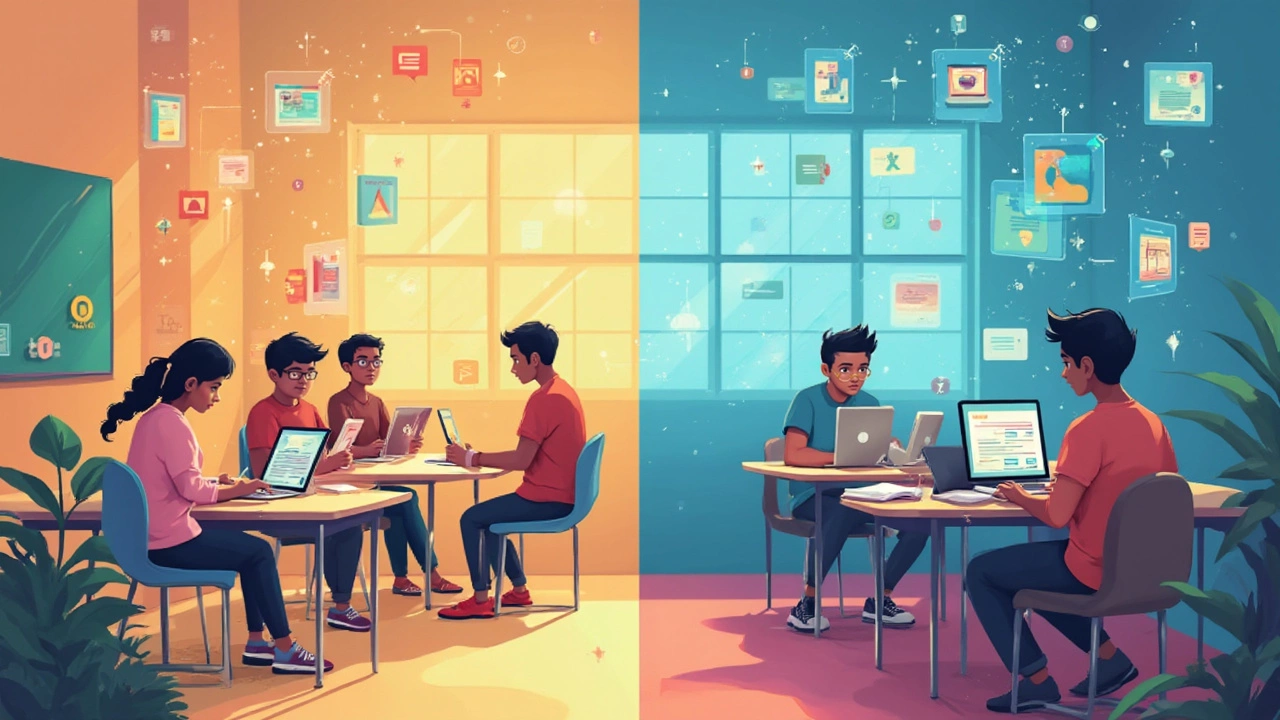
Virtual vs eLearning: Are They Really the Same Thing?
Confused about the difference between virtual learning and eLearning? This article breaks down what sets these two apart, where they overlap, and how you can pick the right one for your needs. It highlights real-life examples, covers the must-know facts, and shares tips to help you get more out of digital education. If you’re wondering what each term really means and why it matters, you’re in the right place. Spoiler: they’re not exactly the same, and knowing the difference can save you time and frustratio