Coding Without Math: Can You Learn to Code Without Numbers?
When you hear coding, the process of writing instructions computers follow to perform tasks. Also known as programming, it's often misunderstood as a field for math geniuses. But that’s a myth. Coding is about logic, patience, and breaking problems into small steps—not solving calculus equations. Most people who struggle with coding aren’t bad at math—they’re just trying to learn it the wrong way.
You don’t need to know algebra to build a website. You don’t need trigonometry to make an app work. The logic, the structure behind how code makes decisions and repeats actions is what matters. Think of it like following a recipe: you don’t need to understand the chemistry of baking to follow steps for cookies. Same with code. Debugging, the process of finding and fixing errors in code is more about asking "What did I say wrong?" than calculating anything. And that’s something anyone can learn.
Look at the top posts here. People are learning to code by building things—not by memorizing formulas. They’re using tools like Google Classroom, a free platform teachers and learners use to share assignments and feedback, or following simple guides on digital learning platforms, online systems that deliver courses and track progress. They’re watching how others solve real problems: fixing a broken button, automating a task, or making a simple game. No math required.
Some jobs do need math—like data science or game physics—but most coding jobs don’t. You’ll write code to manage customer data, update a website, or help a doctor’s office schedule appointments. These tasks care more about clarity than complexity. The golden rule of coding isn’t about equations—it’s about keeping things simple and clear. Clean code gets the job done, gets understood by others, and doesn’t break when you touch it.
If you’ve been told you can’t code because you’re "not a math person," you’ve been lied to. The real barriers are fear, bad advice, and giving up too soon. The posts below show real people who started with zero math skills—and now build apps, fix websites, and even teach others. They didn’t wait to become experts. They just started. And you can too.
Below, you’ll find honest stories, practical tips, and clear breakdowns of how coding actually works—without the math hype. No fluff. No jargon. Just what you need to know to get started and stick with it.
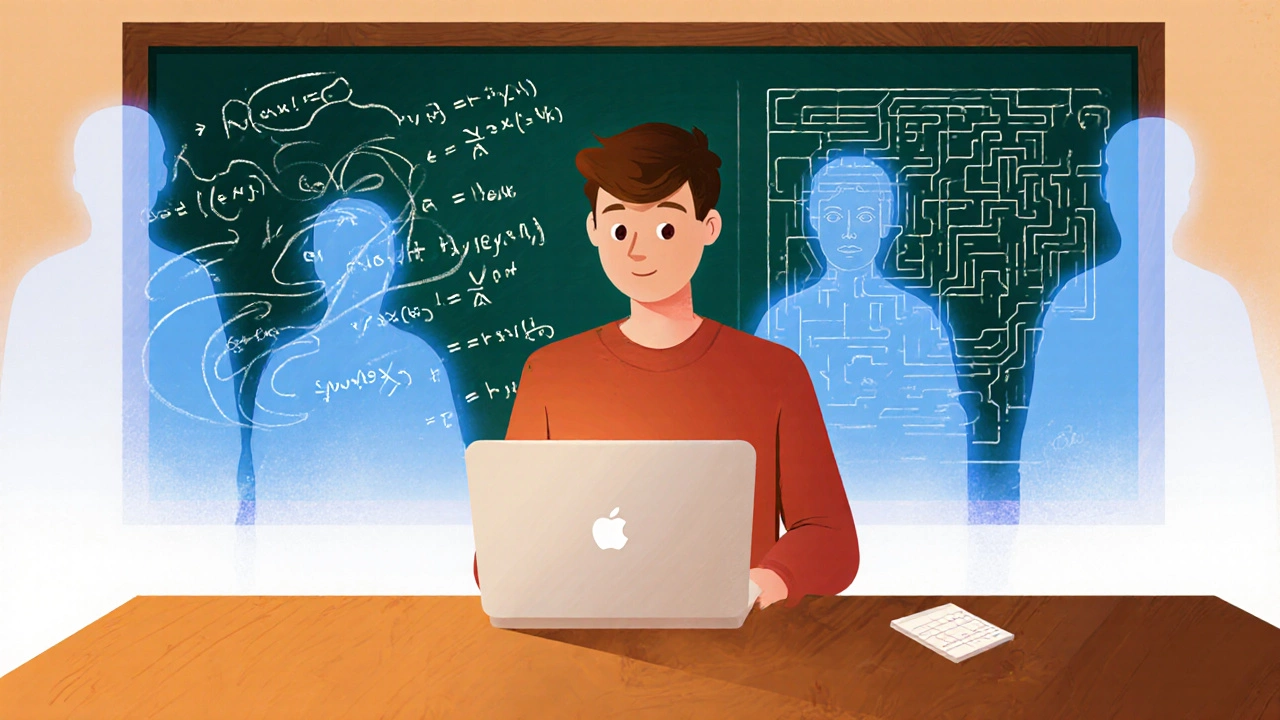
Can You Learn to Code Without Strong Math Skills?
Discover why strong math skills aren't required to start coding, learn essential non‑math abilities, and find the best learning paths for beginners.