Clean Code: What It Is and Why It Matters for Developers
When you write clean code, code that is simple, clear, and easy to read even by someone who didn’t write it. Also known as readable code, it’s the foundation of reliable software that lasts beyond the first sprint. Most developers think clean code means following style guides or using fancy tools. But real clean code is about making your logic obvious—so a teammate can fix a bug at 2 a.m. without calling you.
It’s not about writing less code. It’s about writing code that doesn’t make people groan. Names matter. Functions should do one thing. Comments should explain why, not what. If you’ve ever stared at a block of code and thought, ‘Who wrote this?’—that’s the opposite of clean code. And it’s everywhere. Even in big companies. The difference between teams that ship fast and teams that get stuck? Clean code. It reduces bugs, cuts onboarding time, and lets developers focus on solving problems instead of decoding spaghetti.
Related concepts like coding best practices, proven methods for writing maintainable software, and coding standards, agreed-upon rules teams follow to keep code consistent aren’t just theory. They’re what separate junior devs from those who get trusted with complex systems. You don’t need a fancy degree to write clean code. You just need to care enough to rewrite that messy function, rename that confusing variable, and break down that giant loop.
And here’s the truth: no one remembers the algorithm you used. But everyone remembers the code they had to fix. Clean code doesn’t win awards. But it saves weeks of work—and sanity. The posts below show you real examples of what clean code looks like in practice, how top developers avoid common traps, and why the best coders don’t just write programs—they write stories that others can follow.
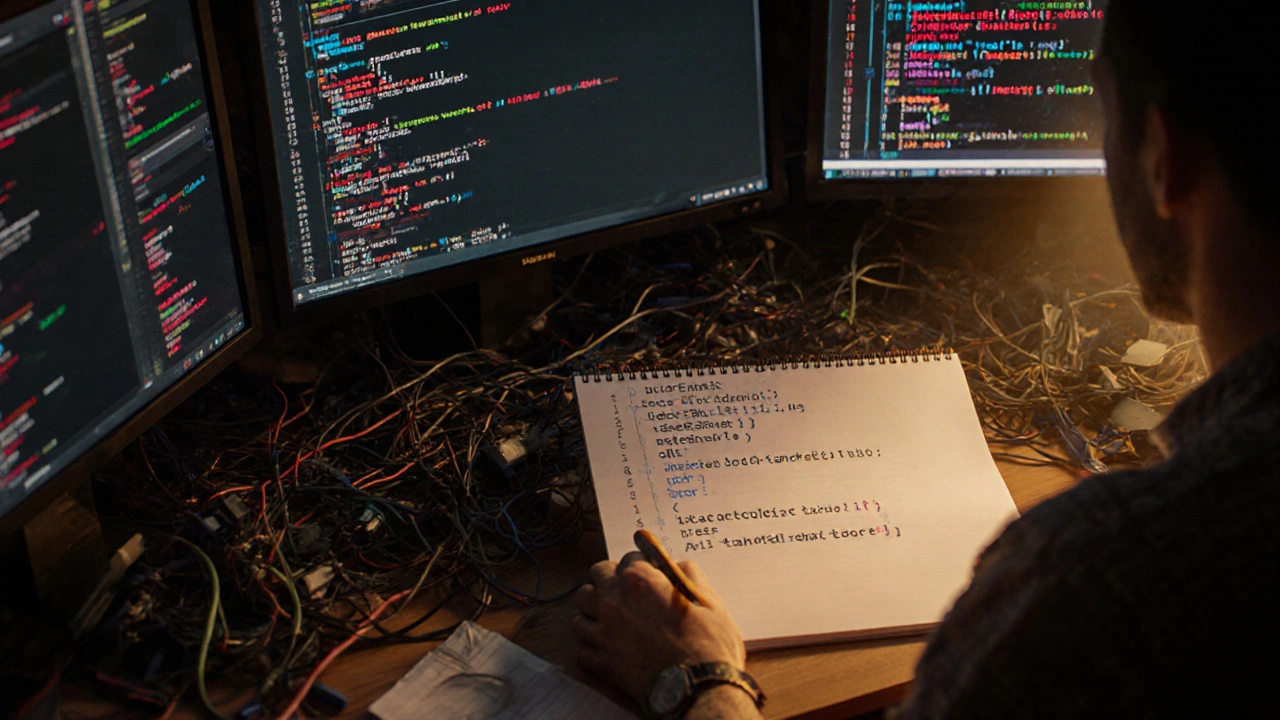
What Is the Golden Rule of Coding? Keep It Simple and Clear
The golden rule of coding is simple: keep it clear and easy to understand. Clean code saves time, reduces bugs, and helps teams work better. It’s not about complexity-it’s about communication.