Classroom Skills: What Every Teacher Needs to Succeed
When you step into a classroom, classroom skills, the practical abilities teachers use to manage, teach, and connect with students in real-time. Also known as teaching skills, it’s not about having the fanciest lesson plan—it’s about knowing how to keep a room of 30 kids focused, calm, and curious. You can know your subject inside out, but if you can’t get students to listen, ask questions, or care, nothing else matters.
Good classroom skills show up in small, daily actions: how you move around the room, how you handle a disruption without raising your voice, how you spot a student zoning out before they check out completely. These aren’t taught in theory—they’re learned by doing, watching, and failing. The best teachers aren’t born with magic powers. They practiced giving clear instructions, built routines that students could predict, and learned to read body language like a weather forecast—because a slumped shoulder or a blank stare tells you more than a test score ever could.
These skills connect directly to other key areas. classroom management, the system of rules, routines, and responses that keep learning possible isn’t about control—it’s about creating space where learning can happen naturally. Then there’s student engagement, how deeply students are involved in the learning process, not just physically present. You can’t force it. You earn it by making lessons relevant, giving students a voice, and showing you actually see them. And none of this happens without teacher training, the formal and hands-on preparation that turns knowledge into practical ability. Real training doesn’t just cover pedagogy—it teaches you how to handle a meltdown, how to adapt on the fly, how to say no to distractions without shutting down a student’s spirit.
What you’ll find here aren’t abstract theories. These are real stories from teachers who’ve been in the trenches. You’ll see how one educator turned a chaotic class around by changing just one routine. How another used simple questions to unlock years of silence from a shy student. How someone learned to spot burnout—not just in kids, but in themselves. These aren’t tips from a textbook. They’re lessons from people who showed up every day, even when it felt impossible.
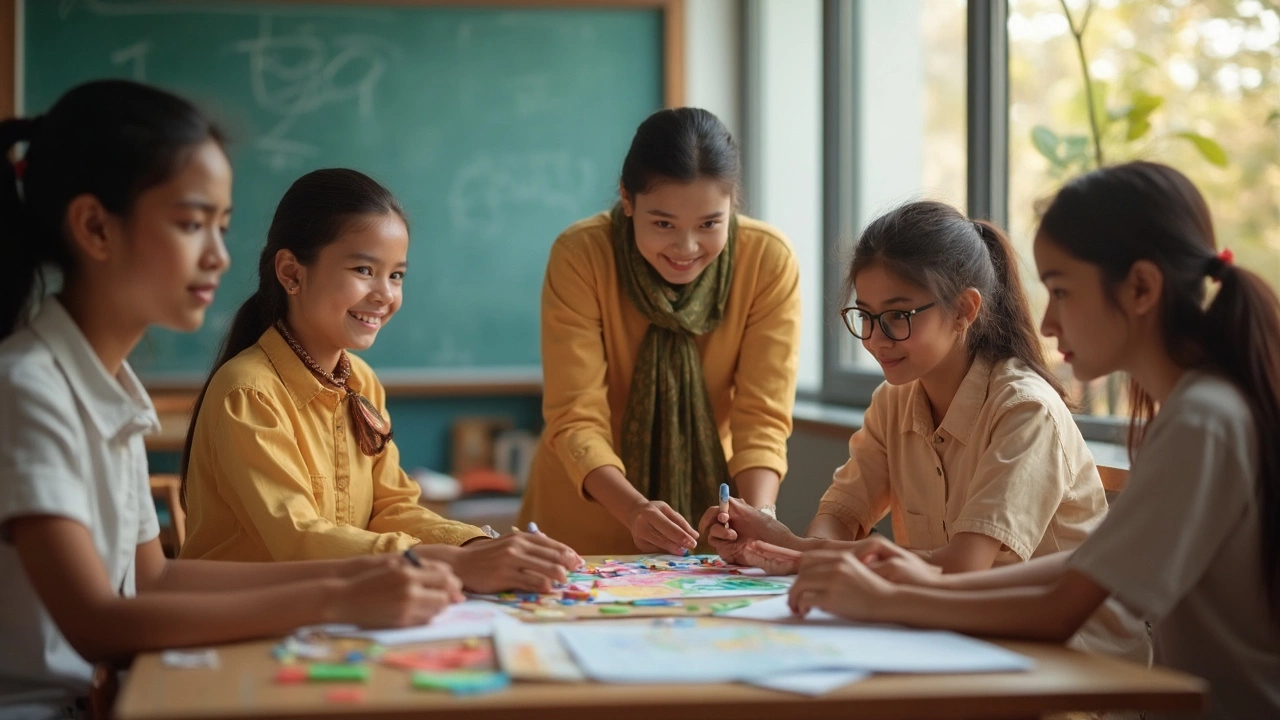
Initial Training: The Key Step for New Teachers
Initial training gets new teachers ready for the real world of classrooms—helping them learn teaching basics, classroom management, and essential skills. This article explains what initial training is, why it’s more than just a box to check, and what teachers actually do during this stage. Tips and real facts highlight how initial training shapes future teaching. Get a clear view on how it works and what it actually covers so you know what to expect.