Beginner Coding Classes: What You Need to Start and Stay Motivated
When you start with beginner coding classes, structured courses designed for people with no prior programming experience. Also known as intro to coding, they’re your first real step into a world where logic replaces memorization and problem-solving becomes a daily habit. Most people think coding is for geniuses. It’s not. It’s for people who keep going even when the screen stays blank for hours.
The biggest reason people quit beginner coding classes isn’t that it’s too hard—it’s that they’re taught the wrong way. Too many courses jump straight into syntax without explaining why you’re typing it. You need to understand the coding mistakes, common errors that trap new learners, like switching languages too often or chasing tutorials instead of building projects. You also need to know how coding for beginners, the first phase of learning where focus is on patterns, not perfection actually feels—frustrating, slow, but surprisingly rewarding once the pieces click.
What separates those who stick with it from those who give up? It’s not talent. It’s structure. Top beginners follow a simple path: write one small program, break it, fix it, repeat. They don’t wait to feel ready. They start with what’s in front of them—a blank editor, a tutorial, a goal like building a simple calculator or a to-do list. That’s where real learning begins. You don’t need a degree, a fancy laptop, or a mentor. You need consistency and a clear next step.
That’s why the posts here aren’t about hype. They’re about what actually happens when someone tries to learn code. You’ll find real stories on why people fail, how to pick the right first language, what daily practice looks like for someone working a full-time job, and how to avoid the trap of learning ten tools without mastering one. There’s no magic formula. But there are patterns. And once you see them, you stop feeling lost.
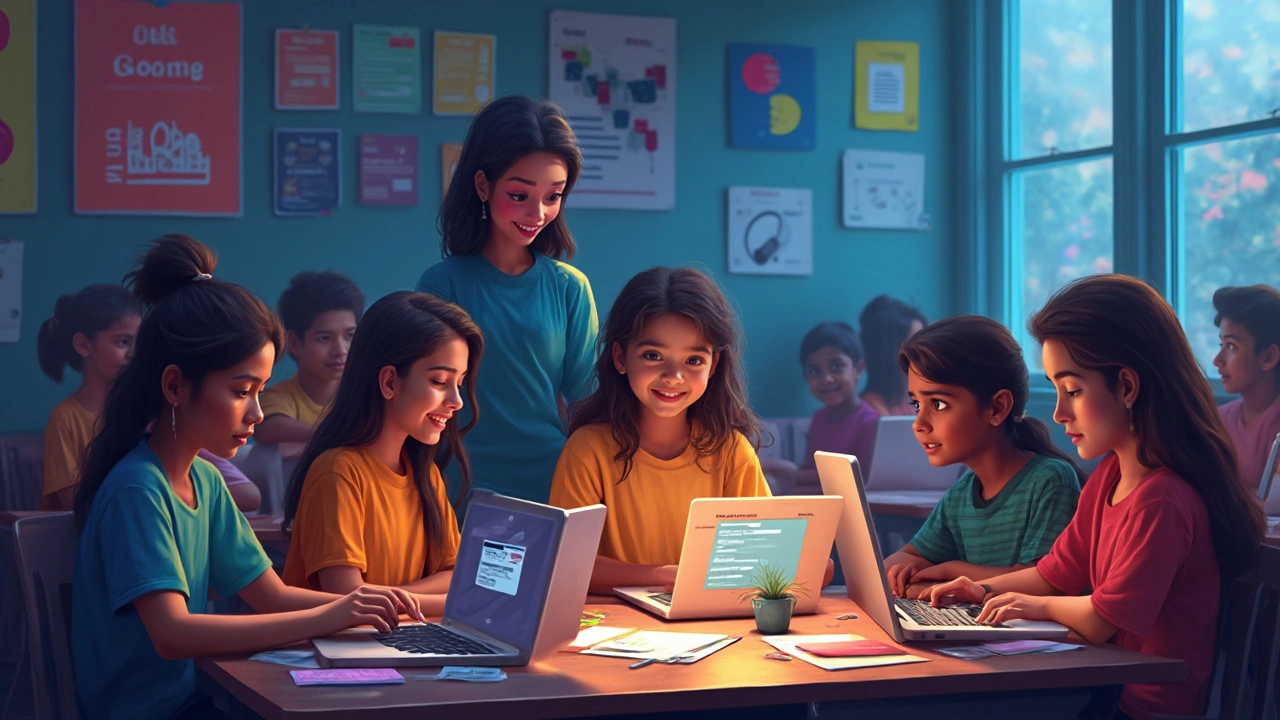
Which Coding Is Best for Beginners? A Straightforward Guide
Choosing the right coding language as a beginner can be confusing with so many options out there. This article breaks down the best coding languages for those just starting out and compares what each offers in terms of learning curve and usefulness. You’ll get real-world tips on picking your first language, plus insights into what makes a language practical for beginners. Find out which languages employers love, where you can use them, and how to avoid common beginner mistakes. This easy-to-read guide is your shortcut to starting your coding journey without getting overwhelmed.