Distance Education: What It Is, How It Works, and Why It Matters
When you think of distance education, a structured way to learn without being physically present in a classroom, often using digital tools and mailed materials. Also known as remote study, it’s not just watching videos at home—it’s a full system designed for people who can’t attend school in person because of work, family, location, or other real-life limits. This isn’t new. For decades, people have used letters, radio, TV, and now the internet to get an education. But today, it’s faster, smarter, and more personal than ever.
Distance learning, the practical method of delivering education remotely, often through virtual platforms and self-paced modules is what most students actually do day-to-day. It’s not the same as online learning, a broader term that includes live classes, interactive courses, and real-time teacher interaction over the internet. Distance education can include offline materials like printed packets, pre-recorded videos, and phone check-ins. Online learning usually means live Zoom sessions and instant feedback. If you’re juggling a job or kids, distance education gives you the breathing room. If you need structure and interaction, online learning might be better. Both fall under the same big tent: flexible education, any learning model that adapts to your schedule, not the other way around.
What makes this work? It’s not magic—it’s tools. Students use learning management systems, email, mobile apps, and sometimes even postal services. Teachers don’t just post videos and disappear. They give feedback, hold virtual office hours, and track progress. You don’t need to be tech-savvy to start—just willing to show up for yourself. And it’s not just for adults. More high schoolers, working parents, and even retirees are choosing this path because it fits their lives.
Why does this matter now? Because the old classroom model doesn’t work for everyone. If you live in a small town with no college nearby, if you’re caring for a sick relative, if you work nights, or if you just learn better on your own schedule—distance education isn’t a backup plan. It’s the main road. And it’s growing fast. Schools are building better systems, governments are funding access, and employers are starting to take these degrees seriously.
What you’ll find here isn’t theory. It’s real talk from people who’ve done it. How to stay focused when no one’s watching. What tech you actually need (and what you can skip). How to ask for help when you’re stuck. And how to make sure your certificate means something when you’re done. No fluff. No jargon. Just what works.
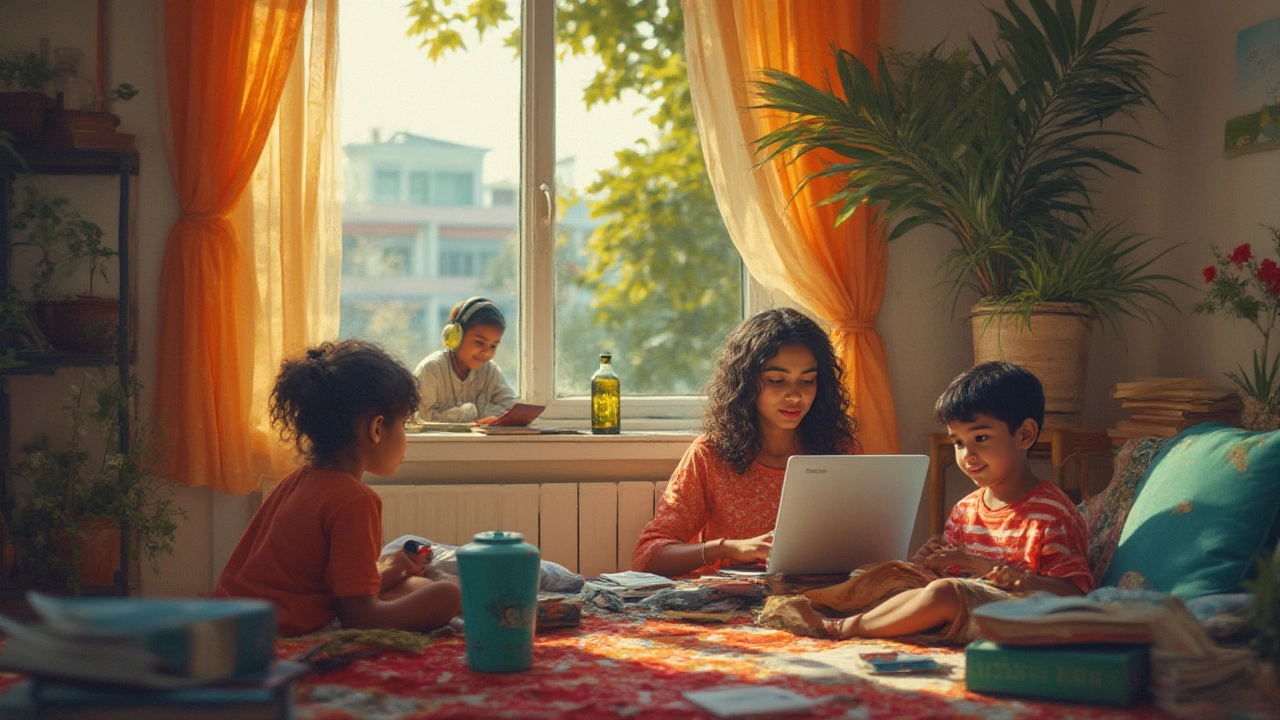
Distance Learning vs Online Learning: Key Differences for Modern Students
Wondering about the difference between distance and online learning? Explore key facts, real-life examples, and tips to help you choose the right study method.
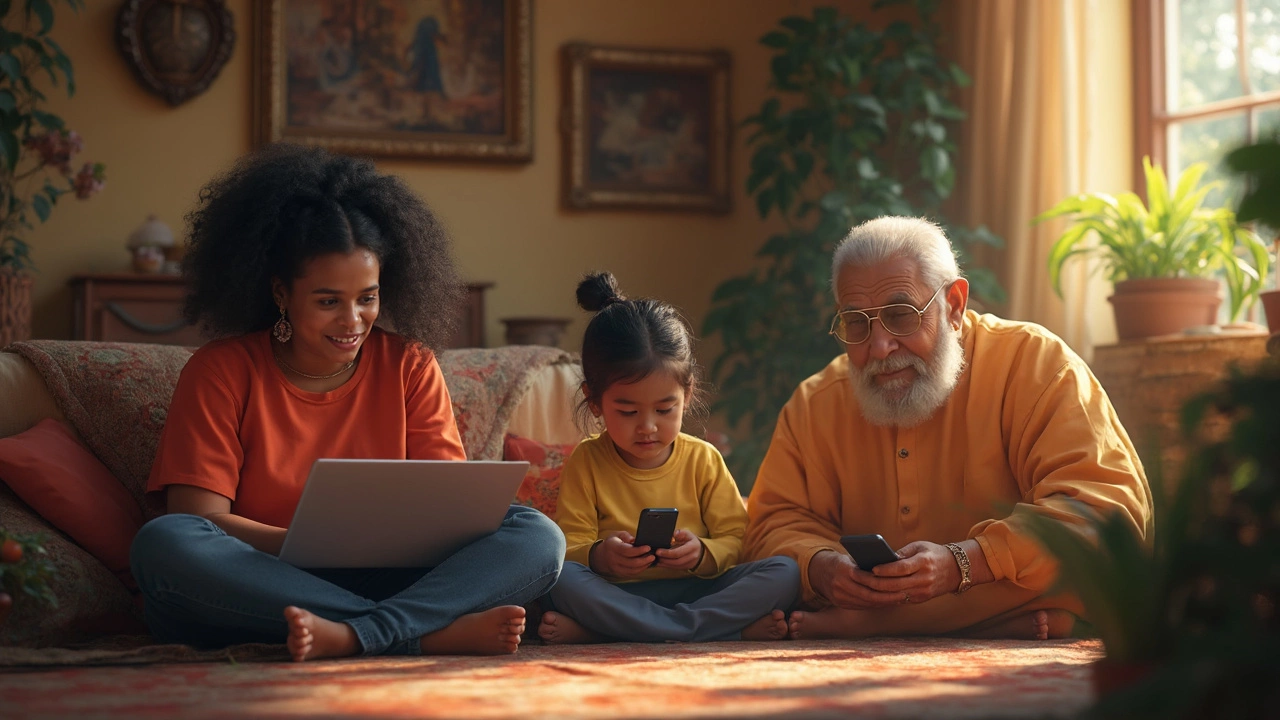
Defining Distance Education: What Makes It Different?
Distance education isn’t just about studying behind a screen—it’s a whole system that makes learning possible from anywhere. This article breaks down what distance education really means, how it’s changed over time, and what tools and practices make it work. It’s packed with specific examples, smart tips for students, and quick answers to common questions about remote learning. Learn how distance education is shaping up in 2025 and what to watch for if you’re part of it. No complicated words, just clear and practical info.
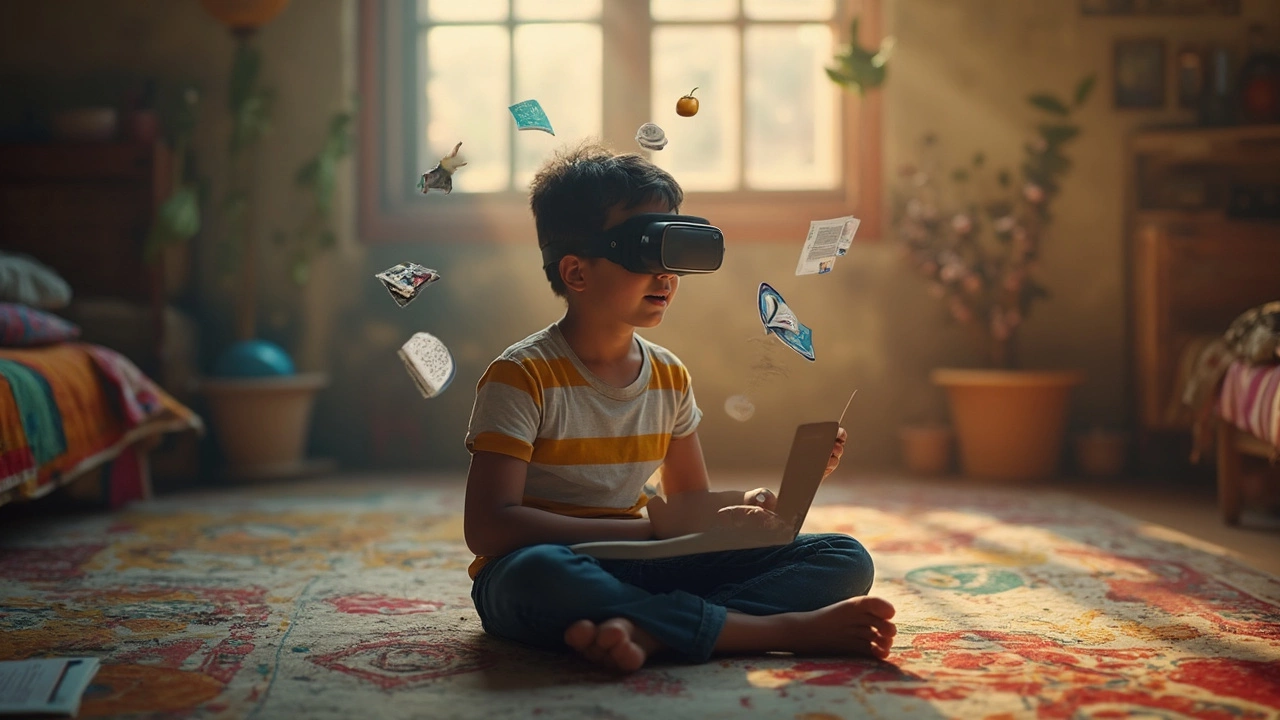
How Distance Learning Works: A User's Guide
Explore the essentials of distance learning in this insightful guide. Learn how online education operates through virtual classrooms, offering flexibility and accessibility. Discover tips for maximizing your e-learning experience and understand the technology that supports remote education. This article provides a practical understanding of distance education for students and educators alike.