
Coding Class Matcher
Not sure which coding class fits your life? Answer three quick questions to get a personalized recommendation.
You want to learn to code. You’ve probably scrolled through endless ads promising you’ll be a software developer in three months if you just buy their course. But here’s the truth: most people don’t fail because they lack talent. They fail because they picked the wrong class for their brain, their schedule, and their goals.
Choosing the right coding class is less about finding the "best" one globally and more about finding the best one for you. Are you a busy parent trying to upskill at night? A student who needs structure? Or a career switcher who needs a job guarantee? This guide breaks down the actual options available in late 2026, cutting through the marketing fluff to tell you what works.
The Big Decision: Self-Paced vs. Live Cohorts
This is the first fork in the road. If you ignore this, you will likely quit within two weeks.
Self-paced courses (like those on Udemy or Coursera) are cheap and flexible. You watch videos when you want. The problem? Completion rates for self-paced online courses hover around 5-10%. Why? Because no one is checking if you did your homework. If you struggle with discipline, avoid these unless you have a strict personal accountability system.
Live cohort-based classes force you to show up. Whether it’s a weekend workshop or an evening bootcamp, there’s social pressure and a deadline. These cost more, but they work better for 70% of beginners. If you need external motivation, pay for the live option. It’s worth every dollar to actually finish.
Top Platforms Compared: Where Should You Sign Up?
Not all platforms are created equal. Some are video libraries; others are interactive sandboxes. Here is how the major players stack up for a beginner in 2026.
| Platform Type | Best For | Cost Range (AUD) | Job Support | Interaction Level |
|---|---|---|---|---|
| Interactive Tutors (e.g., Codecademy, freeCodeCamp) |
Absolute beginners testing the waters | $0 - $30/month | Low/None | High (Instant feedback) |
| Video Libraries (e.g., Udemy, Skillshare) |
Specific skills (e.g., "Learn React") | $20 - $50 per course | None | Low (Passive watching) |
| Bootcamps (e.g., General Assembly, Le Wagon) |
Career switchers needing jobs fast | $10,000 - $20,000 | High (Career coaching) | Very High (Mentors + Peers) |
| University Extensions (e.g., MIT xPRO, local unis) |
Professionals wanting credentials | $2,000 - $8,000 | Moderate (Networking) | Medium (Structured curriculum) |
Which Language Should Your First Class Teach?
Don’t let anyone tell you that Python is the only way. The "best" language depends entirely on what you want to build. Taking a class in the wrong language can waste six months of your life.
If you want to work in data science, AI, or backend web development, start with Python. It reads like English, has massive library support, and is the standard for machine learning. Look for classes that emphasize data analysis projects, not just syntax drills.
If you want to build websites and see visual results immediately, choose JavaScript. It runs in the browser, so you get instant gratification. However, the ecosystem changes fast. Ensure your class teaches modern frameworks like React or Vue.js, not outdated jQuery tutorials.
If you’re eyeing corporate jobs or mobile apps for iOS, look for Swift or Java classes. These are steeper learning curves but offer high job stability in enterprise environments.
Red Flags in Coding Class Marketing
Be skeptical. The ed-tech industry is flooded with predatory marketing. Watch out for these warning signs:
- "Zero to Hero in 4 Weeks": Impossible. Real proficiency takes hundreds of hours. If a course claims you’ll be job-ready in a month, they are selling you syntax knowledge, not engineering skill.
- No Mentor Access: If you can’t ask a human being why your code isn’t working, you will hit a wall. Automated quizzes are fine for basics, but debugging requires human intuition.
- Outdated Curricula: Check the last update date. If a JavaScript course hasn’t been updated since 2022, skip it. The web moves too fast.
- Guaranteed Jobs: Read the fine print. Most "job guarantees" require you to apply to 100+ companies and attend every interview. They aren’t hiring you; they are helping you hunt.
The Hidden Value: Community and Accountability
Here is something nobody tells you: the code is easy; the consistency is hard. The best classes aren’t defined by their video quality, but by their community features.
Look for platforms that offer:
- Discord or Slack Channels: Being able to post "Hey, I’m stuck on this error" and get help from peers is invaluable. It reduces isolation.
- Pair Programming Sessions: Coding with another person forces you to explain your logic. This deepens understanding faster than solo study.
- Project Reviews: Getting feedback from a senior developer on your project portfolio is crucial. You might think your code works, but a mentor will show you how to make it clean and scalable.
How to Choose Based on Your Life Situation
Let’s get practical. Match your profile to the right class type.
Scenario A: The Busy Professional
You have a full-time job and only 5-8 hours a week. Avoid intensive bootcamps. Choose a self-paced platform like Coursera or edX with a structured weekly schedule. Set a calendar reminder for Tuesday and Thursday nights. Consistency beats intensity.
Scenario B: The Career Switcher
You are quitting your job to become a developer. You need speed and credibility. Enroll in a full-time coding bootcamp. Yes, it’s expensive. But you get career services, resume reviews, and a network. In Sydney, many bootcamps partner with local tech firms for internships. That network is worth the tuition.
Scenario C: The Student/Hobbyist
You have time but limited money. Start with freeCodeCamp or The Odin Project. These are free, open-source, and highly respected. They require grit, but if you finish them, you have a solid foundation. Supplement with YouTube tutorials for specific tricky concepts.
What Happens After the Class?
Finishing the class is not the end; it’s the beginning. Many students fall into the "tutorial hell" trap-watching endless videos without building anything real.
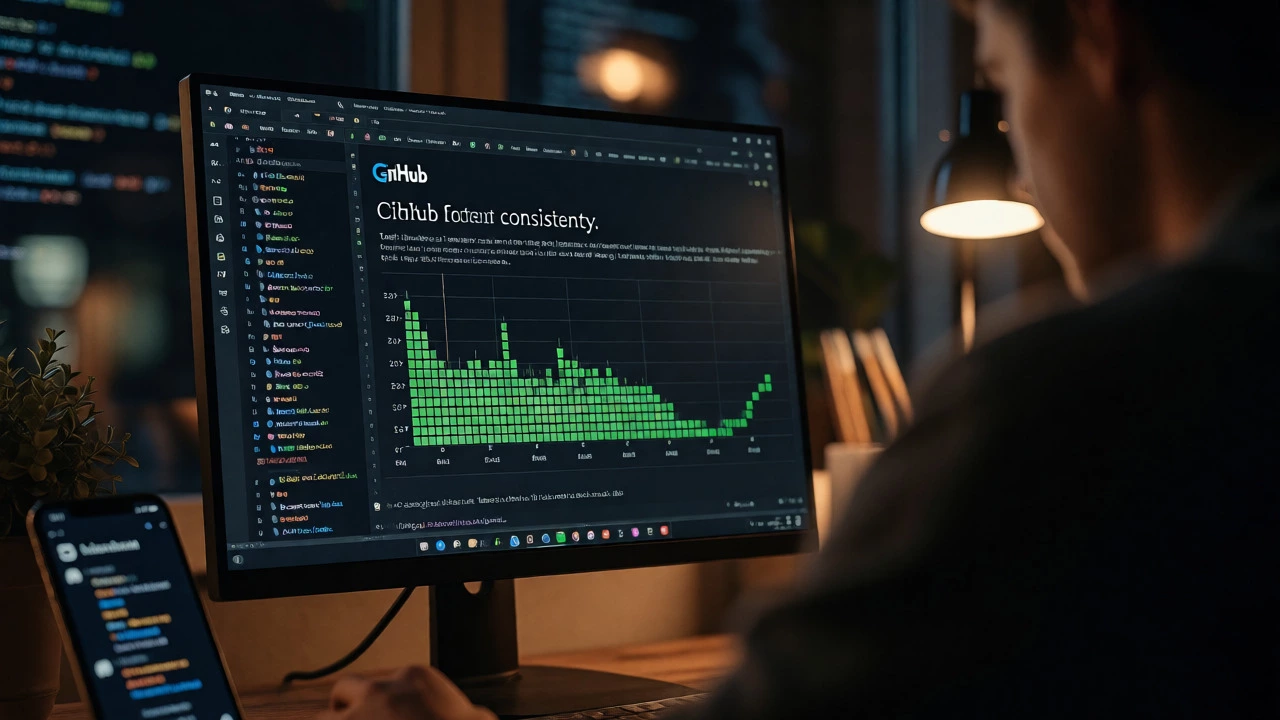
To break out, follow this rule: For every hour of tutorial, spend two hours building. Build a to-do list app. Then a weather app. Then a clone of Twitter. Deploy these projects on GitHub. Employers don’t care about your certificate as much as they care about your GitHub activity graph. Green squares matter.
Also, join local meetups. In cities like Sydney, Melbourne, or London, tech meetups are great for networking. You don’t need to be an expert. Just show up, listen, and ask questions. Many junior developers land their first roles through connections made at these informal gatherings.
Do I need a computer science degree to take these classes?
No. Most beginner-friendly coding classes assume zero prior knowledge. While a CS degree provides theoretical depth, bootcamps and online courses focus on practical application, which is often what employers want for entry-level roles.
Are free coding classes effective?
Yes, but they require high self-discipline. Resources like freeCodeCamp and The Odin Project are excellent and cover the same material as paid courses. However, they lack mentorship and structured deadlines, leading to higher dropout rates.
How long does it take to learn coding from a class?
To become job-ready, expect 6-9 months of part-time study (10-15 hours/week) or 3-4 months of full-time immersion. Proficiency is a lifelong journey, but employability comes sooner if you focus on a specific niche like frontend or data analytics.
Is Python still the best first language to learn?
For most beginners, yes. Python’s syntax is readable and forgiving. It is widely used in web development, data science, and automation. However, if your goal is strictly web design, starting with HTML/CSS/JavaScript might provide faster visual feedback.
What is the difference between a bootcamp and an online course?
Bootcamps are intensive, instructor-led programs focused on job placement, often costing thousands. Online courses are typically self-paced, cheaper, and focused on specific skills. Bootcamps offer community and career support; online courses offer flexibility and low cost.