True Cost of Online Learning Calculator
Are free courses really free? Enter your details to see the true cost in dollars and hours.
Course Details
The Hidden Breakdown
Enter your course details to see the true cost analysis.
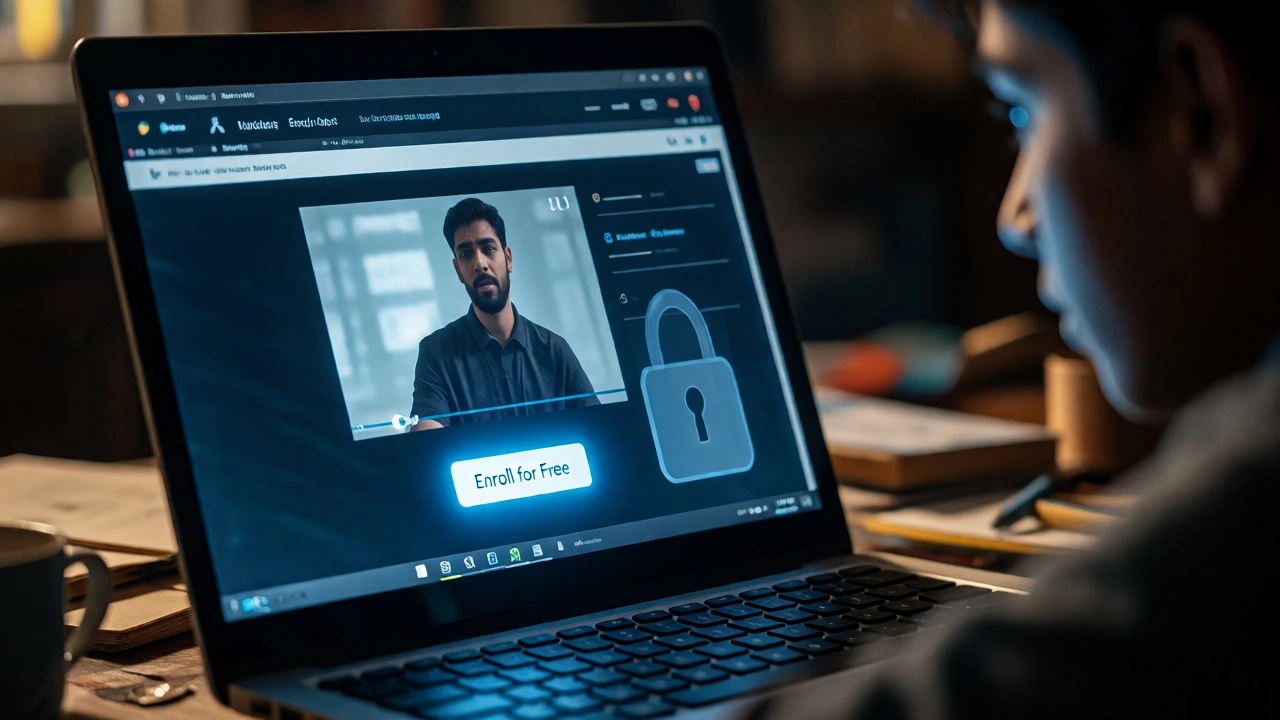
You click "Enroll for Free" on a shiny new online course, feeling like you've just hacked the education system. No credit card required. No tuition bill looming. But six weeks later, when you try to download your completion certificate or access a graded assignment, you hit a paywall that feels suspiciously familiar. It turns out, the internet's most popular promise-"free education"-is often more of a marketing hook than a reality.
So, are free online courses really free? The short answer is no, not entirely. The long answer involves understanding what you're actually paying for: your time, your data, and eventually, your wallet if you want proof of your skills. This guide breaks down the true cost of Massive Open Online Courses (MOOCs) and helps you decide which ones are worth your attention in 2026.
The "Audit" Model: Access vs. Certification
Most major platforms like Coursera, edX, and FutureLearn operate on an "audit" model. Think of it like going to a museum: you can walk around and look at the art for free, but if you want the audio guide, the exclusive exhibit pass, or the printed catalog, you have to buy a ticket. In the world of online learning, auditing means you get video lectures and sometimes reading materials. That’s it.
What do you lose? Usually, everything that makes learning stick. You might miss out on:
- Graded Assignments: Without feedback, how do you know you’re actually learning?
- Peer Reviews: Critical for subjects like writing or design where perspective matters.
- Certificates: The tangible proof employers often ask for.
- Community Forums: Often restricted to paid users to reduce moderation load.
Platforms argue this keeps costs low. Universities still need to pay professors and maintain servers. By charging for the "verified" track, they subsidize the free access. It’s a clever business model, but it leaves many learners with half-finished knowledge and no credential to show for it.
The Hidden Cost of Your Time
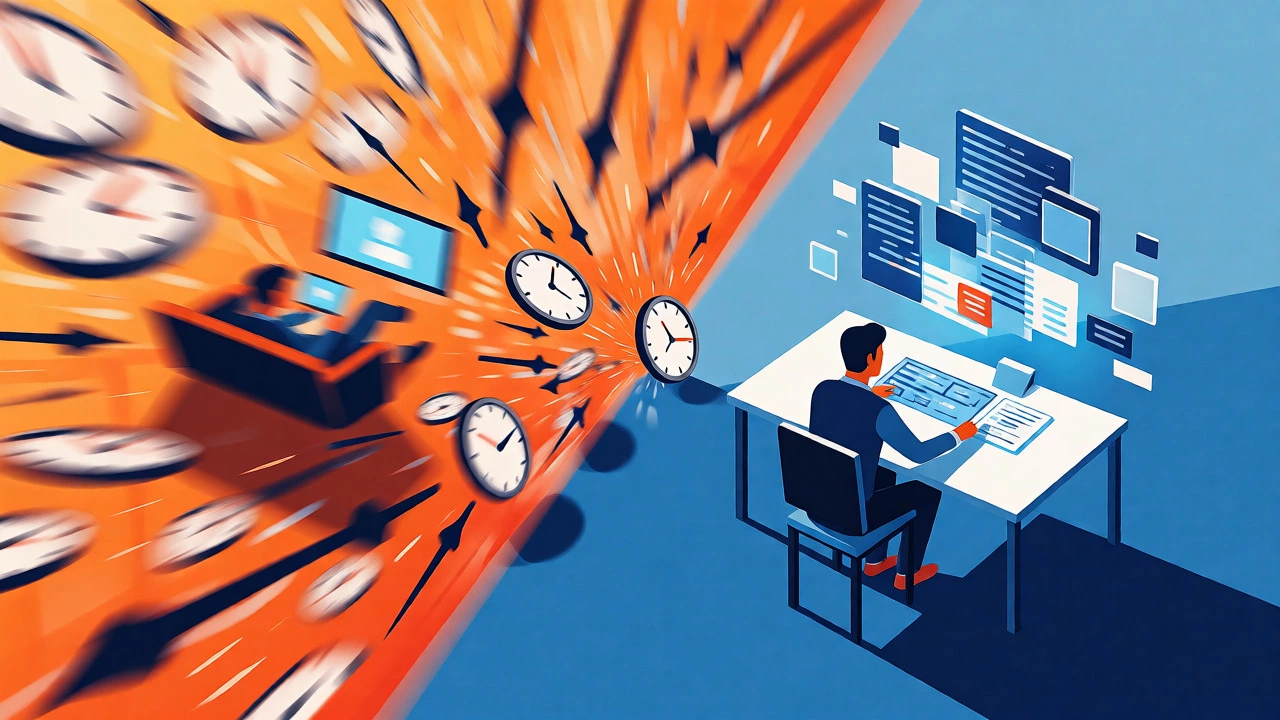
We talk about money, but we rarely talk about the biggest expense in online learning: time. A typical university semester runs 15 weeks. A MOOC might claim to be self-paced, but completing a rigorous computer science course often requires 8-10 hours a week. If you’re working full-time, that’s a significant chunk of your evenings and weekends.
Here’s the trap: because it’s "free," you procrastinate. You think, "I'll watch it later." Since there’s no financial penalty for dropping out, completion rates for free MOOCs hover around 3-6%. Compare that to paid bootcamps or traditional degrees, where the dropout rate is significantly lower due to sunk cost fallacy. When you don’t pay, you don’t prioritize. The "free" course ends up costing you months of stalled progress while you wait for motivation to strike.
Certificate Fees: The Real Price Tag
If you want to put that course on your LinkedIn profile, prepare your credit card. Certificate fees vary wildly depending on the provider.
| Platform Type | Audit Access | Certificate Cost (USD) | University Credit? |
|---|---|---|---|
| Major MOOCs (Coursera/edX) | Free (limited) | $49 - $99 | Rarely (requires extra fee) |
| Skill-Specific (Udemy/Skillshare) | Paid upfront | Included | No |
| Corporate Training (LinkedIn Learning) | Subscription | Included | No |
| University Micro-credentials | Free audit | $200 - $1,000+ | Often Yes |
Notice the gap between a $49 digital badge and a $1,000 micro-credential. The former proves you watched videos; the latter often includes proctored exams and faculty oversight. If you’re looking for career advancement, check if the certificate has weight in your industry before paying. For coding, a GitHub portfolio often beats a generic certificate. For healthcare or law, accredited certificates matter more.
Data Privacy: What Are They Selling?
There’s an old saying in tech: "If you’re not paying for the product, you are the product." This holds true for many free educational platforms. To offer high-quality video streaming and interactive tools without charging students directly, companies monetize user data.
When you sign up, you’re agreeing to terms that allow platforms to track your learning behavior. Which videos did you skip? Where did you pause? How fast did you type answers? This data helps them refine algorithms and sell insights to institutional partners. While this isn’t inherently bad-it can lead to better course recommendations-you should be aware that your learning journey is being harvested. If privacy is a concern, consider open-source alternatives like Khan Academy, which relies on donations rather than aggressive data mining, though their scope is narrower.
Quality Control: The Free Tier Problem
Not all free content is created equal. Because anyone can upload a tutorial to YouTube or create a course on Udemy, quality varies drastically. In paid environments, there’s a baseline expectation of polish and accuracy. In the free tier, you might encounter outdated software versions, incorrect code snippets, or instructors who haven’t updated their slides since 2019.
How do you spot good free content? Look for these signals:
- Last Updated Date: Anything older than two years in tech fields is suspect.
- Instructor Credentials: Do they work in the field, or are they just influencers?
- Community Feedback: Read reviews from people who actually finished the course, not just those who started it.
- Practical Projects: Does the course force you to build something, or just listen?
Remember, cheap (or free) information is abundant. Curated, verified, and up-to-date information is scarce. Your job as a learner is to filter the noise.

When Is "Free" Actually Worth It?
Despite the caveats, free courses are incredible tools if used strategically. They shine in three specific scenarios:
1. Exploration and Sampling: Before spending $500 on a Python bootcamp, take a free introductory module. See if you enjoy the teaching style. If you hate the first two lessons, you saved yourself hundreds of dollars.
2. Skill Refreshing: Already a marketer? Take a free refresher on SEO trends. You don’t need a certificate; you just need the info. Use the free audit mode to consume content quickly without worrying about assignments.
3. Supplemental Learning: Pair a formal degree with free niche topics. Studying economics? Grab a free game theory course from Yale. It adds depth without breaking the bank.
The key is intentionality. Don’t enroll in ten free courses thinking you’ll finish them all. Pick one. Finish it. Apply what you learned. Then move on.
Strategic Tips for Maximizing Free Learning
To get real value out of the "free" label, treat it like a paid commitment. Here’s how:
- Set a Deadline: Even if the course is self-paced, give yourself a hard end date. Treat it like a class with attendance requirements.
- Create Your Own Accountability: Since forums might be closed, start a study group with friends or join external communities like Reddit’s r/learnprogramming or Discord servers related to the topic.
- Build a Portfolio: Don’t rely on the certificate. Build a project using the skills taught. A live website or a case study speaks louder than any PDF badge.
- Leverage Financial Aid: Many MOOCs offer financial aid waivers for certificates. It takes a few days to approve, but it can turn a $50 course into a truly free one. Check the small print near the enrollment button.
Ultimately, the question isn’t whether free courses are free. It’s whether they deliver value proportional to the cost of your attention. In a world overflowing with information, discernment is the most valuable skill you can learn-and ironically, that’s usually free too.
Can I get college credit for free online courses?
Generally, no. Most free online courses do not carry college credit. However, some platforms partner with universities to offer micro-credentials or ACE-recommended courses that may transfer, but these usually require a paid exam or verification process. Always check with your institution’s registrar before assuming credits will transfer.
Are free certificates respected by employers?
It depends on the industry and the platform. Certificates from recognized providers like MIT, Stanford, or IBM on platforms like edX or Coursera hold some weight, especially in tech and business. However, employers increasingly value portfolios and practical projects over generic completion badges. A free certificate shows interest; a completed project shows competence.
Why do I have to pay for a certificate if the course was free?
The fee covers identity verification, grading infrastructure, and administrative costs associated with issuing a verifiable credential. Platforms use these fees to sustain the free access model, allowing others to learn without barriers while generating revenue to maintain server costs and instructor payments.
Is Udemy considered a free online course platform?
No, Udemy is primarily a marketplace where instructors set prices. While they frequently run sales bringing courses down to $10-$15, and occasionally offer free promotions, it is not structured as a "free-to-audit" model like Coursera or edX. Most content on Udemy requires purchase upfront.
Do free courses expire?
Access rules vary. On many MOOC platforms, you retain access to course materials indefinitely after enrolling, even if the course updates. However, if a course is retired or archived, you might lose access to certain resources. Paid subscriptions (like LinkedIn Learning) require active membership to view content.