
Online Learning Platform Finder
Answer three quick questions and we'll recommend the platform type that fits your goal best.
I want a recognized certificate or degree-level validation
I just want to learn a skill or knowledge
It's mandated compliance or part of my program
I'm choosing it myself for personal growth
Foundations, science, deep concepts
Mandatory training, structured curriculum
Excel, coding, software, quick how-to
| Feature | MOOCs | LMS | Video-Based |
|---|
Ever opened an online course site only to feel lost in a sea of options? You’re not alone. The term “online platform” is thrown around so loosely that it often means three completely different things. Confusing them can waste your time, money, or both. Let’s cut through the noise.
There are three main types of online learning platforms you’ll encounter: Massive Open Online Courses (MOOCs), Learning Management Systems (LMS), and Video-Based Course Platforms. Each serves a distinct purpose, caters to a different audience, and operates on unique mechanics. Understanding these distinctions isn’t just academic-it determines whether you get a certificate, a structured path, or just raw content.
Key Takeaways
- MOOCs (like Coursera) offer university-level courses for free or paid certificates, ideal for self-learners seeking formal knowledge.
- LMS (like Canvas or Moodle) are internal tools used by schools and corporations to manage structured, mandatory training with grading and tracking.
- Video-Based Platforms (like Udemy) focus on practical, skill-based instruction via pre-recorded videos, offering flexibility but less structure.
Massive Open Online Courses (MOOCs): The University in Your Pocket
MOOCs are large-scale online courses offered by universities and institutions to anyone with internet access. They were pioneered by Stanford in 2008 and have since become a cornerstone of global education. Platforms like Coursera, edX, and FutureLearn host thousands of these courses.
The defining feature of a MOOC is its scale and accessibility. Unlike private tutoring, a single lecture on Machine Learning on edX might be watched by 50,000 students simultaneously. These platforms typically follow a semester-like structure: weekly modules, peer-graded assignments, and optional proctored exams.
Why choose a MOOC? If you want credibility. Completing a specialization from MIT or the University of London carries weight on a resume. However, the cost varies. While auditing a course is often free, earning a verified certificate usually requires payment ranging from $49 to $79 per month. It’s a trade-off: high-quality content and recognition, but less personalized feedback compared to a traditional classroom.
Learning Management Systems (LMS): The Backbone of Institutional Training
If MOOCs are the open highway, an LMS is the private driveway. An LMS is software used by organizations-schools, colleges, or corporations-to deliver, track, and manage education. Common examples include Moodle, Canvas, and Blackboard.
You likely interact with an LMS daily if you’re a student or employee. It’s where you submit assignments, check grades, read announcements, and take quizzes. Unlike MOOCs, which are consumer-facing, LMSs are often B2B (business-to-business) products. The institution buys the license, configures it, and pushes content to specific users.
The core value here is administration. Administrators can set deadlines, enforce login requirements, and generate reports on who has completed which module. For corporate training, this means compliance tracking. For schools, it means grade management. If you’re looking for a career change or hobby learning, an LMS isn’t designed for you unless you’re enrolled in a specific program using one.
Video-Based Course Platforms: Flexibility Over Structure
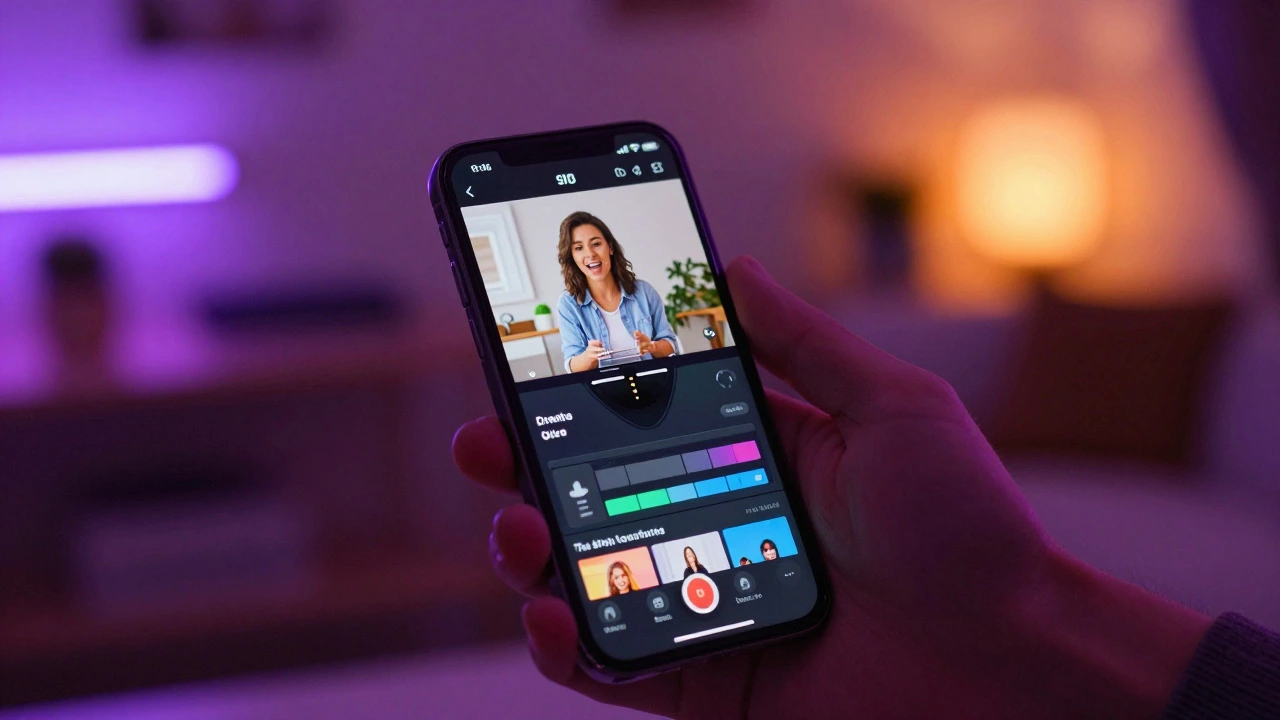
The third category consists of platforms built primarily around pre-recorded video content. Think Udemy, Skillshare, or even YouTube channels dedicated to education. These platforms operate on a marketplace model: instructors create courses, upload videos, and sell them directly to learners.
This type prioritizes convenience and niche skills. Want to learn Python in two weeks? Or how to edit video with Adobe Premiere Pro? A video-based platform offers direct, actionable content without the bureaucratic overhead of a university. There’s no fixed schedule; you watch at your own pace, pause, rewind, and skip ahead as needed.
The downside? Consistency. Quality varies wildly between instructors. Some courses are meticulously produced with downloadable resources and community forums; others are just someone talking into a webcam. Certificates from these platforms are generally less recognized by employers than those from accredited institutions, though they are valuable for demonstrating initiative and specific technical skills.
Comparing the Three: Which Fits Your Needs?
| Feature | MOOCs | LMS | Video-Based |
|---|---|---|---|
| Primary User | Self-directed learners | Institutions & Employees | Skilled professionals & Hobbyists |
| Cost Model | Free audit / Paid cert ($49-$79/mo) | Institution-paid / Free for user | One-time purchase ($10-$200) |
| Structure | Semester-like, weekly deadlines | Rigid, deadline-driven | Flexible, self-paced |
| Credibility | High (University-backed) | Institutional (Internal use) | Variable (Instructor-dependent) |
| Best For | Academic knowledge & Certifications | Compliance & Formal Education | Quick Skill Acquisition |
How to Choose the Right Platform Type
Your choice depends entirely on your goal. Ask yourself three questions:
- Do I need a credential? If yes, look at MOOCs. A certificate from a reputable university signals rigorous study. Video platforms rarely provide this level of validation.
- Am I required to complete this? If your employer or school mandates it, you’re already on an LMS. Don’t try to switch; just navigate the system efficiently.
- Do I need a specific tool skill? If you want to learn Excel shortcuts or basic coding, video-based platforms are faster and cheaper. You don’t need a degree to know how to pivot tables.
Many successful learners mix these types. For example, a data analyst might take a Data Science specialization on Coursera (MOOC) for theoretical depth, while using a Udemy course to master SQL queries (Video-Based). Meanwhile, their company tracks their progress on an internal LMS for compliance purposes.
Common Pitfalls to Avoid
One major mistake is assuming all online learning is equal. Paying for a certificate doesn’t guarantee quality. Always check instructor reviews and syllabus depth before committing. In MOOCs, beware of “certificate mills”-courses that require minimal effort for a fee. Look for peer-graded assignments or proctored exams as indicators of rigor.
Another pitfall is ignoring the time commitment. MOOCs advertise as “flexible,” but keeping up with weekly deadlines for 12 weeks is demanding. If you work full-time, a video-based course with no deadlines might be more realistic. Conversely, if you thrive on structure, the lack of external accountability in video platforms can lead to procrastination.
Frequently Asked Questions
Are MOOC certificates worth it?
Yes, if they are from accredited institutions like MIT, Stanford, or the University of Pennsylvania. Employers recognize these as evidence of continuous learning. However, they are less valuable than a full degree and should complement, not replace, formal education.
What is the difference between an LMS and a learning app?
An LMS is a comprehensive system for managing courses, users, and assessments, often used by organizations. A learning app (like Duolingo) is typically consumer-facing, focused on engagement and gamification, with less emphasis on formal assessment or institutional reporting.
Can I use a video platform for professional certification?
Rarely. Professional certifications (like PMP or CPA) require specific accredited training providers. While video platforms teach the material, you usually need to register through official bodies for the exam. Check the specific certification body’s approved provider list.
Which platform is best for beginners?
For absolute beginners, MOOCs are often better because they provide structured pathways and foundational theory. Video platforms can be overwhelming due to the sheer volume of unstructured choices. Start with a guided curriculum before diving into niche tutorials.
Do LMS platforms allow public enrollment?
Generally, no. LMSs are closed systems. You need an invitation or account created by an administrator. If you see a public course, it’s likely hosted on a MOOC platform or a video marketplace, not a standard LMS.